 : +86-139 0587 7291
 İngilizce
 İspanyolca
 Rusça
Rusça Fransızca
 Arapça
 Brezilya Portekizcesi
 Ukraynaca
 Türkçe
 Lehçe
Lehçe Hollandaca
 İtalyanca
 Endonezyaca
 Hintçe
 Çavuş
Çavuş İyiliksever
 Türkçe
 Hintçe
 Mongol
 فارسی
فارسی Şip
Şip Türkçe:

Devre Kesici Üretimi: Gümüş Kontakların Önemi / Devre Kesici Üretimi
Table of Contents
GeçişElectricity is a powerful force that requires a dependable, rigorously tested “emergency shut-off valve.” In circuit breaker manufacturing, manufacturers focus on building a device that cuts off power if it senses too much electricity. The circuit breaker acts as a defense mechanism for electrical systems. If the power is not interrupted at the right time, a simple overload can result in a fire.
Standard metals often fail when electrical switching happens due to extreme thermal and mechanical stress. Engineers solve this problem by using silver alloy contacts. Silver is conductive, and the alloy strengthens it so it can survive arcing. This article explains the importance of silver alloys in circuit breaker manufacturing.
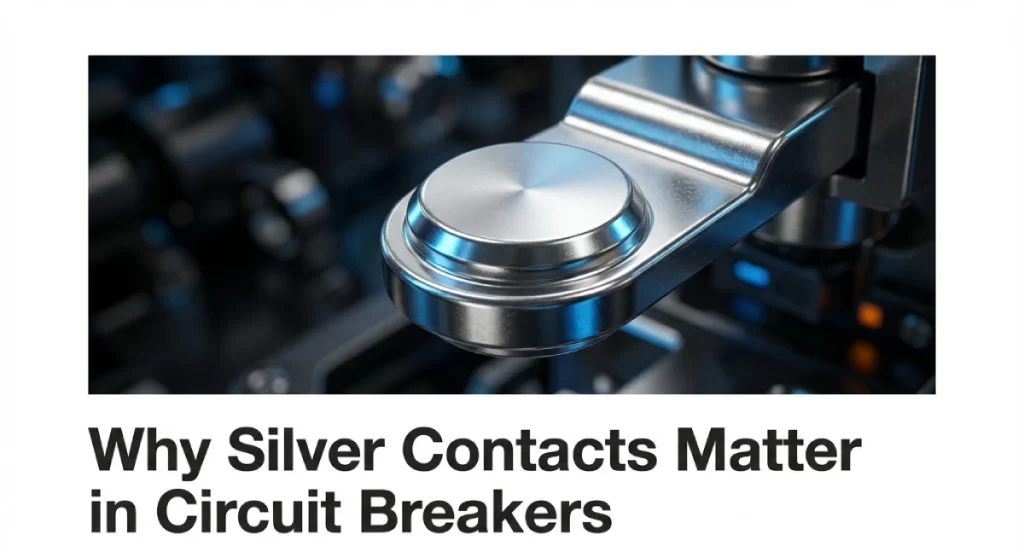
What Are Electrical Contacts?
Electrical contacts are physical points in an electrical system where a circuit meets. They are composed of two conductive pieces that touch. This action allows power to flow and separates to stop it. The role of the circuit breaker is to keep the contacts pressed together. It also triggers a mechanism (separator) during a power surge, so the contacts will pull apart.
A Dual Responsibility
Contacts have a dual responsibility when it comes to elektrik güvenliği. When closed, they must remain in contact and carry a stable current without overheating. On the other hand, when they are open, they must withstand the force of an electrical arc.
Inherent Industrial Challenges
In circuit breaker manufacturing, the choice of material is one of the most critical decisions. Heat generation and mechanical wear are two of the problems that a contact may face when it operates. These forces can degrade the material over time.
The Importance of Silver Alloy Contacts Conductivity
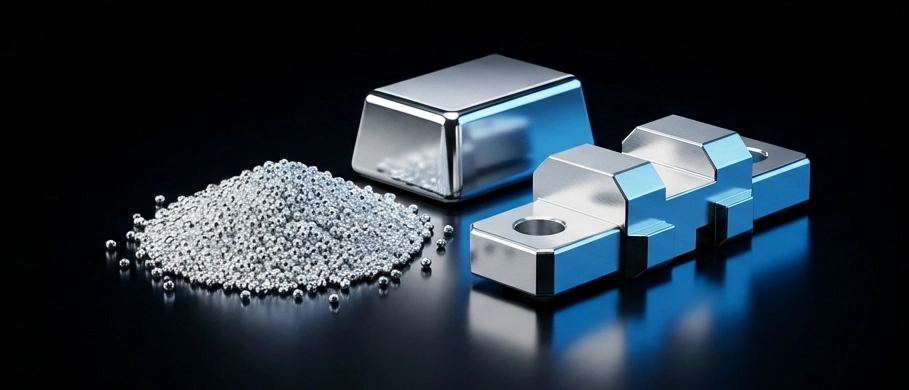
Silver is not just used for jewelry. In electrical engineering, it boasts the highest electrical and thermal conductivity among other metals. In a circuit breaker, the composition of the contact points determines whether it will lead to safety or hazards.
As mentioned earlier, silver is used in electrical contacts because it has a high electrical conductivity as compared with other elements. However, pure silver is too soft for industrial use and may break. Thus, manufacturers use alloys, such as Silver-Tin Oxide (AgSnO2), to minimize energy loss, manage heat, and ensure long-term operational stability.
Here are the benefits of silver alloy contacts:
High Conductivity and Thermal Management
Silver alloy contacts ensure high conductivity and minimal energy loss. This allows the breaker to operate at low temperatures even under full load. Heat is also generated due to high electrical resistance at the contact points. Silver’s thermal conductivity allows the heat to dissipate away from the contact surface, which prevents overheating and degradation.
Stable Contact Resistance
When exposed to air, silver oxide remains conductive, unlike common metals such as copper, which form resistive oxide layers. This ensures that the silver alloy’s contact resistance remains stable. Thus, the device’s operational life also remains stable and provides predictable performance even in standard environmental conditions.
Enhanced Reliability and Lifespan
Electrical connections must have a low and stable contact resistance to ensure long-term reliability of electrical connections. Highly conductive silver alloy contacts prevent overheating and material degradation. This results in an extended breaker lifespan and connected equipment.
Superior Arc Resistance
When a circuit breaker opens the contacts, thus interrupting the current, an electric arc or “spark” is generated. Electricity tries to jump the gap as the contacts pull apart. The temperature of the arc can reach 35,000°F (19,400°C), which is four times hotter than the sun’s surface. This can result in a dangerous fire if it spreads.
Silver, alloyed with materials such as nickel, tin oxide, or tungsten, improves the circuit’s arc resistance. This improves the silver alloy’s ability to withstand extreme temperature and mechanical stress brought about by arcing and extends the breaker’s lifespan.
Arc resistance is critical. It allows the contacts to successfully interrupt fault currents up to their rated short-circuit breaking capacity, as defined by IEC 60947-2 standards.
Safety Assurance
Increased contact resistance may lead to equipment failure, unexpected outage, or other hazardous conditions. When you use a high-conductivity silver alloy, it ensures that the breaker performs its safety function. When an overload or short circuit happens, it protects both the electrical system and the personnel.
Why Silver Alloys Outperform Copper in Contact Reliability
A circuit breaker needs to let power flow easily, but also needs to be tough enough to withstand melting during an emergency. Pure silver is soft, so it needs to be mixed with tougher metals.
If a manufacturer were to use copper, it may develop a non-conductive oxide layer that increases resistance. Silver oxide remains conductive even in its oxidized state. Circuit breakers that remain in the “closed” position for years may cause oxidation since they are unused. Thus, when the breaker finally operates, the electrical path remains unobstructed and clear.
Here is a comparison of silver alloy contacts with other types of contacts:
| Özellik | Silver Alloy Contacts | Copper/Brass Contacts |
| İletkenlik | Excellent (100%+) | Moderate (approx. 70-90%) |
| Corrosion | Self-cleaning/Conductive oxides | High oxidation/Insulating crust |
| Risk of Welding | Very Low | High under heavy load |
| Maliyet | Higher upfront | Lower upfront |
| Güvenlik Derecelendirmesi | Industrial/Premium grade | Residential/Budget grade |
The Role of Induction Welding in Silver Alloy Contacts
The method of joining a contact to its carrier is called induction welding. In circuit breaker manufacturing, this method is as important as the material itself. Unlike traditional welding, induction welding uses electromagnetic induction to generate heat.
As the induction coil generates a magnetic field, localized heat seals the silver alloy with the terminal. As the “eddy currents” meet the metal parts, it allows the silver alloy contact and the copper terminal to bond without melting.
Çözüm
The long-term operational stability of electrical protection systems is a result of strict material science and engineering. Manufacturers ensure safety by prioritizing silver alloy contacts in circuit breakers. By using silver alloys that meet IEC 60947 standards (standards for Low-voltage switchgear and controlgear), manufacturers can help prevent overheating, mechanical wear, and electrical arcing.
Tek elden LED aydınlatma çözümü mü arıyorsunuz?
30 yıllık sertifikalı üretim deneyimimizle, endüstriyel ve ticari aydınlatma ihtiyaçlarınızın tamamı için güvenilir ortağınızız.
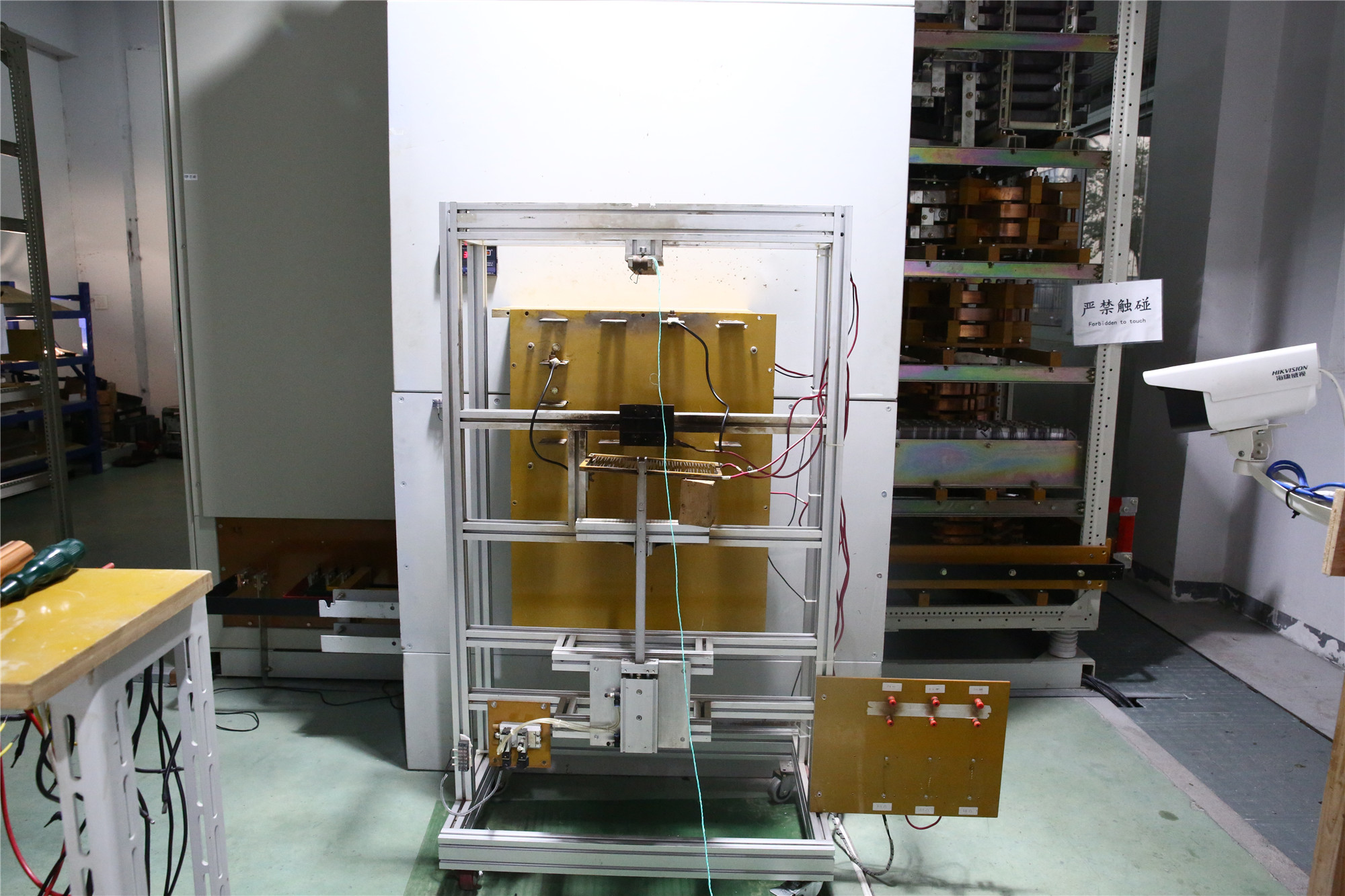
At Tosunlux, we use precise induction welding to enhance the conductivity of silver alloy contacts. To ensure long-term performance, each component undergoes rigorous life-cycle testing.
Below are our top three product recommendations that highlight the use of silver alloy contacts for reliability and conductivity:
- Minyatür Devre Kesiciler (MCB) – this is the flagship “real protector” and is designed for breaking capacities up to 10,000A.
- Molded Case Circuit Breakers (MCCB) – this series is recommended for industrial power distribution and can handle much higher current loads.
- AC Contactors – These AC contactors are “industrial control devices” that rely on silver contacts for operation. The arc resistance of silver alloys prevents the device from failing due to repeated opening and closing.

Telefon: +86-577-88671000
E-posta: [email protected]
Skype: tosunelectric
Wechat: +86-139 6881 9286
WhatsApp: +86-139 0587 7291
Adres: Oda No.1001 Wenzhou Fortune Center, Station Road, Wenzhou, Çin
TEKLİF İSTEYİN
Bize WhatsApp'tan yazın