مدونة

  • فهم المحولات: ما هو الفرق بين CT وPT؟

    07th مارس 2026

    CTs and PTs are both instrument transformers, but they do not serve the same measurement purpose. A current transformer is used when current needs to be reduced to a measurable level for meters or protection devices. A potential transformer is used when voltage needs to be stepped down for safe measurement and control. For buyers, the practical question is not just the definition, but which one is required for the metering or protection task in the system. CT vs PT: Key Differences Overview Feature Current Transformer (CT) Potential Transformer (PT) Measurement Focus Current measurement Voltage measurement Input Range High current (e.g., 100A to 5,000A) High voltage (e.g., 11kV to 400kV) Output Range Low, safe current (e.g., 5A or 1A) Standardized low voltage (e.g., 110V) Common Uses Industrial and substation current monitoring Power transmission voltage monitoring Accuracy High for current at varying loads High for voltage at fixed ratios Key Differences Between CT and PT Primary Function CTs measure current by stepping down high current levels, while PTs measure voltage by reducing high voltage to a safer level. Design and Construction CTs are built to handle high currents, often featuring a toroidal design. PTs, in contrast, are designed for precise voltage scaling, with insulation suited for high-voltage applications. Accuracy and Load Handling CTs are optimized for current accuracy under varying load conditions. PTs prioritize voltage precision to ensure accurate metering and relay operation. Applications CTs are ideal for industrial systems requiring current monitoring, while PTs are essential for transmission and distribution systems requiring voltage control. When […]

    اقرأ أكثر
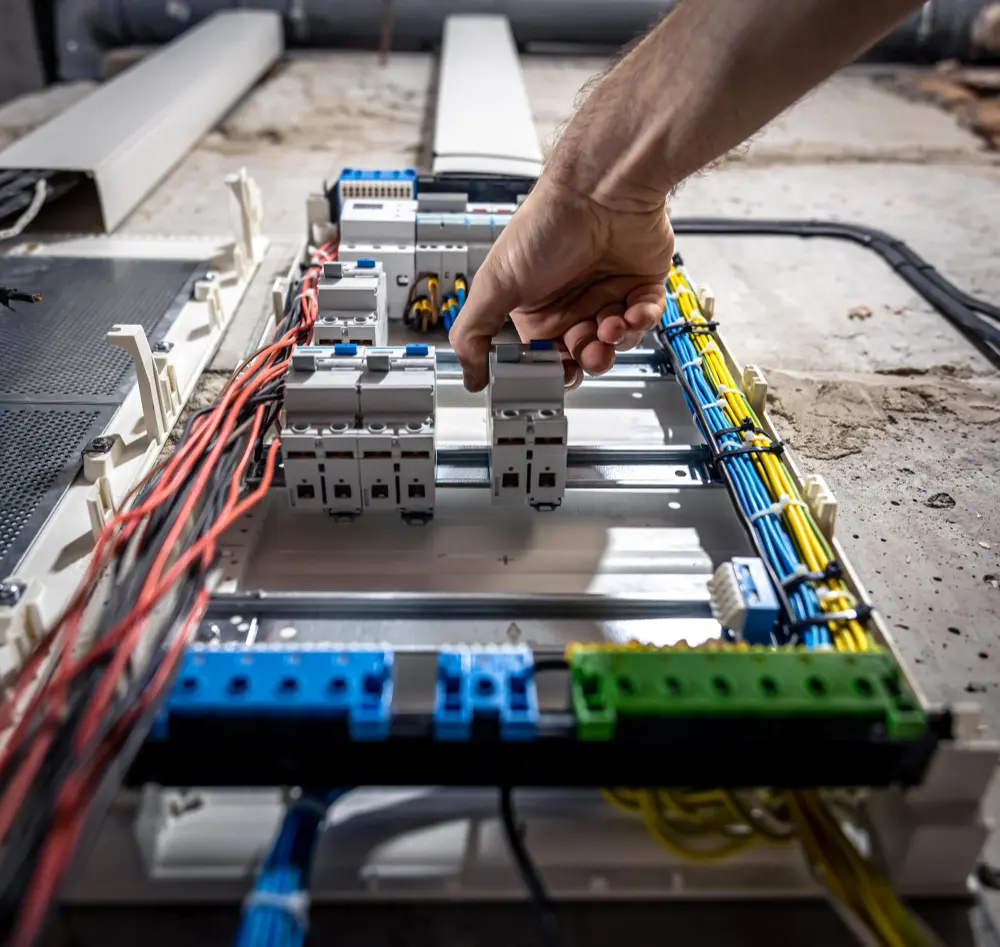
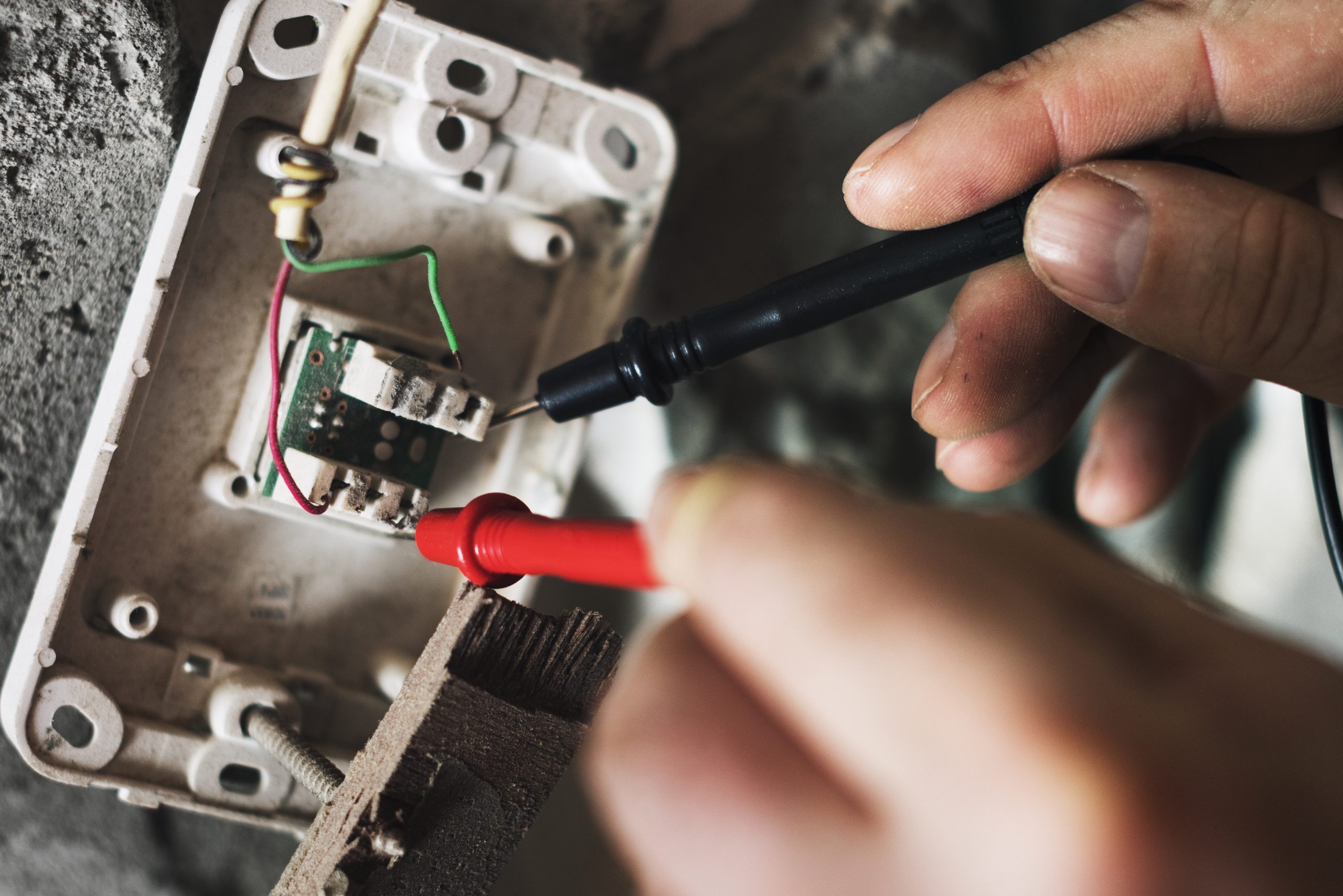
  • كيفية اختيار قواطع التيار المستمر المناسبة؟

    06th مارس 2026

    Selecting a suitable DC MCB starts with the circuit itself, not with the breaker catalog. In DC applications such as solar PV, battery systems, and control circuits, breaker selection should match the system voltage, operating current, fault level, and installation environment. A breaker that looks suitable by ampere rating alone may still be wrong for the actual DC circuit. This guide explains the practical selection process for buyers, panel builders, and installers. What Is a DC MCB? A DC MCB, or Direct Current Miniature Circuit Breaker, is a small device that helps protect electrical circuits. As a type of circuit breaker, it works by stopping the flow of electricity when the current gets too high, preventing damage to appliances and reducing the risk of electrical fires. Circuit breakers also help prevent electric shock, ensuring system safety and protection. Key Features of DC MCBs: Why Use a DC MCB? Protection Against Short Circuit Step-by-Step: How to Select a Suitable DC MCB Key Parameters to Check Before Ordering When selecting a DC miniature circuit breaker (MCB), it’s important to ensure safety and efficiency in your electrical systems. Here are some key factors to consider: By considering these factors, you can choose a DC MCB that effectively protects your electrical systems, ensuring both safety and reliability. Common Mistakes in DC Breaker Selection One common mistake is choosing a breaker only by current rating while ignoring the DC voltage requirement. Another mistake is treating AC and DC breakers as interchangeable products. Even if the ampere value looks similar, the […]

    اقرأ أكثر
  • الدليل النهائي للتبديل الجزئي

    05th مارس 2026

    اكتشف تصميمها المبتكر وتطبيقاتها في مختلف الصناعات والمزايا التي تجعلها لا غنى عنها.

    اقرأ أكثر
  • عداد الطاقة مقابل عداد الطاقة: ما الفرق؟

    04th مارس 2026

    Energy meters and power meters are related, but they are not used for the same purpose. An energy meter is mainly used to record how much electricity has been consumed over time, while a power meter shows how much power is being used or generated at a specific moment. For buyers, the real decision is based on application: billing, consumption tracking, equipment monitoring, or energy optimization. What Is an Energy Meter? What is an energy meter?  An energy meter, also known as an electrical energy consumption meter or electric energy meter, is a device that measures the total amount of electrical energy consumed over a period of time.  They are commonly used in residential, commercial, and industrial settings to track and record the cumulative energy usage in kilowatt-hours (kWh). The primary function of an energy meter is to integrate power consumption over time, providing an accurate measurement of the total electrical energy used. Energy meters come in various types, including electromechanical, electronic, and smart meters. Electromechanical meters use a rotating disc that spins faster as more power is consumed, with the rotations being counted to determine the total energy used.  Electronic meters, on the other hand, utilize digital circuitry to measure and calculate energy consumption. Smart meters are advanced electronic meters that offer additional features such as remote reading, time-of-use tariffs, and two-way communication with the utility company. What Is a Power Meter?  What is a power meter? A power meter is a device that measures the instantaneous electrical power being consumed or generated at […]

    اقرأ أكثر
  • هل جهاز استشعار الميكروويف آمن؟

    03rd مارس 2026

    Microwave sensors are generally considered safe for normal commercial and residential use because they operate with low-power microwave signals for motion detection, not high-energy radiation for heating or processing. For buyers, the more practical question is not only whether the sensor is safe, but whether it is suitable for the installation environment. Microwave sensors are often chosen for larger areas, hidden installation positions, or applications where detection through thin materials is useful. This article explains how they work, what affects safety and performance, and when a microwave sensor is a better choice than a PIR sensor. What Is A Microwave Sensor? A microwave sensor is a type of motion sensor that uses microwaves to detect movement. Think of it like a bat using sonar, but instead of sound waves, it sends out microwave signals. These signals bounce off objects and return to the sensor. If something moves, the signal changes, and the sensor detects it. Microwave sensors can detect objects up to 45,000 mm away, even through thin walls and glass. They are highly reliable and have no moving parts, making them ideal for military and security applications. Unlike other sensors, microwave sensors can work in rooms with low temperatures and are more sensitive than passive infrared (PIR) sensors. This makes them perfect for large areas like warehouses and outdoor spaces. Types of Microwave Sensors There are several types of microwave sensors, each designed for specific applications: When to Choose a Microwave Sensor Instead of a PIR Sensor A microwave sensor is often preferred when […]

    اقرأ أكثر
  • الحجم الأمثل لصمامات الألواح الشمسية: ضمان سلامة نظامك

    02nd مارس 2026

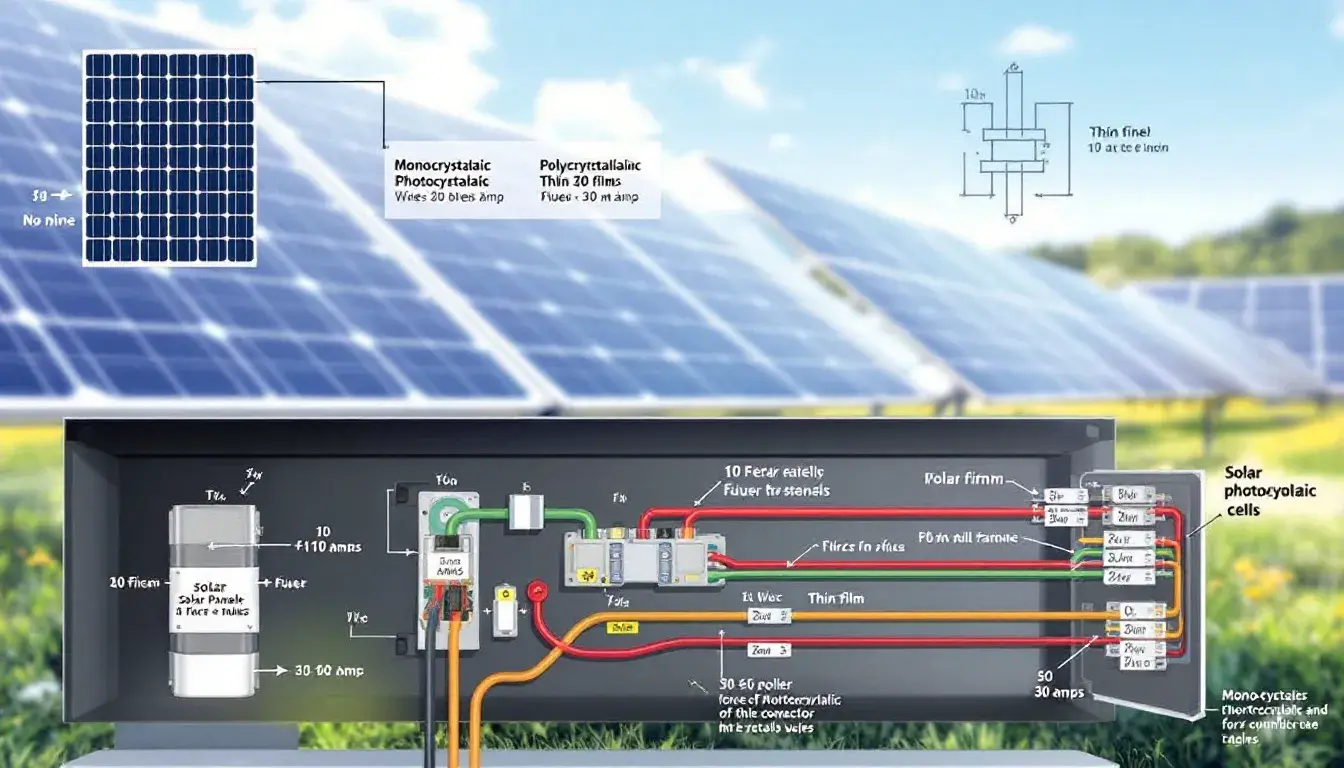
    Choosing the right solar fuse size is not just about matching a number on the panel label. In a real PV system, fuse selection depends on where the device is installed, how many strings are connected in parallel, and what current the circuit may actually carry under fault conditions. For buyers and installers, the key question is simple: which part of the solar system needs fuse protection, and what fuse rating is suitable for that section? This guide explains the selection logic in a more practical way. Key Takeaways Understanding Solar Panel Fuses Solar panel fuses are essential for safeguarding your solar panel system. They protect against: Why Proper Fusing is Important How to Determine the Right Fuse Size Benefits of Proper Fusing Where Solar Fuses Are Used in a PV System Solar fuses are not selected in isolation. In a PV system, they are usually considered together with DC breakers, isolators, and surge protection devices. At the string level, PV fuses are commonly used to protect individual strings against reverse current from parallel strings. In combiner boxes, fuses may work together with DC breakers and SPDs to improve fault protection and maintenance safety. On the inverter side, the protection design may also include DC isolators or AC breakers depending on the system layout. That means buyers should first confirm the installation position before choosing the fuse rating. Calculating the Correct Fuse Size for Your Solar Panels Calculating the correct fuse size for your solar panels is essential to ensure safety and efficiency. Here’s how […]

    اقرأ أكثر
  • تأثير عزم الدوران الطرفي على ارتفاع درجة حرارة قاطع الدائرة

    28 فبراير 2026

    في مجال الهندسة الكهربائية، تُحدد السلامة من خلال التوصيل الآمن وقاطع الدائرة. أثناء التركيبات الكهربائية، غالبًا ما يتم إغفال عزم الربط الطرفي، والذي يُعرَّف بأنه "الإحكام المثالي" لقوة الدوران المُطبقة على براغي التوصيل. عندما لا تُطبق قوة الدوران اللازمة بشكل صحيح، يتعرض قاطع الدائرة للتلف. وفقًا لقانون جول، تُولد المقاومة حرارة وتزداد مع مربع التيار ومقاومة التوصيل، كما هو موضح في الصيغة P = I²R. لمنع ارتفاع درجة الحرارة السريع، يجب تطبيق عزم الربط الطرفي الصحيح على قاطع الدائرة. سيناريوهات واقعية ومخاطر تشغيلية: في الأنظمة الكهربائية الصناعية والتجارية، قد يفرض المهندسون تدابير السلامة، إلا أن هذه التدابير قد تتعارض مع بعض ظروف الموقع. قد تحدث أيضًا حالات يكون فيها تعطل قاطع الدائرة ناتجًا عن عوامل بشرية. يُعد فهم كيفية تأثير عزم الربط الطرفي الصحيح على قاطع الدائرة أمرًا ضروريًا للوقاية من الحرائق الكهربائية. فيما يلي بعض السيناريوهات الواقعية التي توضح المخاطر التشغيلية الناجمة عن عزم الربط غير الصحيح لأطراف التوصيل: ارتخاء الأسلاك والتغيرات الحرارية. في المصانع المزدحمة، قد تتسبب الاهتزازات الناتجة عن الآلات الثقيلة في ارتخاء أطراف التوصيل المشدودة. في الكهرباء، عندما لا يلامس طرف التوصيل السلك بالكامل، تتولد مقاومة كهربائية. ومع ازدياد المقاومة، ترتفع درجة الحرارة، مما يؤدي إلى حلقة مفرغة خطيرة تُسمى "التغيرات الحرارية". أحد حلول التغيرات الحرارية هو التأكد من صحة "الشد المسبق" الأولي على البرغي أو المسمار. استخدم مفتاح عزم معايرًا واتبع تعليمات الشركة المصنعة الخاصة بوحدة نيوتن متر (N·m) أو بوصة رطل (in.lb).

    اقرأ أكثر
  • مشاكل تعثر RCCB وكيفية إصلاحها

    ٢٧ فبراير ٢٠٢٦

    إذا استمر قاطع التيار المتبقي (RCCB) في الفصل، فاتبع الخطوات التالية بالترتيب: السلامة: تحمي قواطع التيار المتبقي من التسرب الأرضي وخطر الصدمة الكهربائية. لا تُحاول تشغيله بالقوة بشكل متكرر. قد تنجم مشاكل فصل قواطع التيار المتبقي عن أسباب مثل الرطوبة، أو الأسلاك المعيبة، أو الأجهزة التالفة. يتضمن إصلاح هذه المشاكل خطوات مثل إعادة ضبط القاطع، وفحص الأسلاك، واختبار الأجهزة. إذا تساءلت يومًا عن سبب فصل قاطع التيار المتبقي بشكل غير متوقع، فهذا الدليل سيساعدك. قاطع التيار المتبقي TSL3-63: يوفر قاطع التيار المتبقي TSL3-63 حماية مُحسّنة ضد الحمل الزائد وأعطال قصر الدائرة في الدوائر الكهربائية للتيار المتردد، مما يضمن السلامة في مختلف التطبيقات الصناعية والسكنية. عرض مخطط استكشاف أخطاء المنتج وإصلاحها: الخطوة أ - متى يفصل؟ الخطوة ب - اختبار عزل سريع (آمن، مناسب لأصحاب المنازل): إذا وجدت الجهاز الذي يُسبب الفصل، فقم بإصلاحه أو استبداله. الخطوة ج - متى تتوقف عن العمل بنفسك وتستعين بفني كهرباء؟ يمكن لفنيي الكهرباء استخدام أجهزة قياس تيار التسرب وأجهزة اختبار العزل لتحديد الأعطال الخفية. لماذا تفصل قواطع التيار المتبقي؟ غالبًا ما تتسبب الرطوبة في حدوث أعطال أرضية عن طريق السماح بتسرب التيار عبر الأسلاك المبللة أو التالفة. هذه المشكلة شائعة في أماكن مثل الحمامات والمطابخ والدوائر الكهربائية الخارجية. يمكن أن تتسبب الرطوبة في تسرب أرضي، مما يؤدي إلى فصل قاطع التيار المتبقي لمنع المخاطر الكهربائية. ابدأ بتجفيف المناطق المبللة وإغلاق المواسير لمنع تسرب المياه. إذا كان التلف شديدًا، فقد يكون من الضروري استبدال الكابلات. يمكن أن تتسبب الأسلاك المهترئة أو الأطراف المفكوكة في تيارات تسرب، مما يؤدي إلى فصل قاطع التيار المتبقي. يمكن أن يتسبب التيار المتدفق عبر الأسلاك التالفة في حدوث اختلالات، مما يدفع قاطع التيار المتبقي إلى قطع التيار الكهربائي.

    اقرأ أكثر
  • تصنيع قواطع الدائرة الكهربائية: أهمية الموصلات الفضية / تصنيع قواطع الدائرة الكهربائية

    ٢٧ فبراير ٢٠٢٦

    الكهرباء قوة هائلة تتطلب صمام إيقاف طارئ موثوقًا به ومُختبَرًا بدقة. في صناعة قواطع الدائرة، يركز المصنّعون على بناء جهاز يفصل التيار الكهربائي عند استشعاره زيادة في التيار. يعمل قاطع الدائرة كآلية دفاعية للأنظمة الكهربائية. فإذا لم يتم فصل التيار في الوقت المناسب، قد يؤدي الحمل الزائد البسيط إلى نشوب حريق. غالبًا ما تتعطل المعادن التقليدية عند حدوث عمليات التبديل الكهربائي نتيجة الإجهاد الحراري والميكانيكي الشديد. يحل المهندسون هذه المشكلة باستخدام موصلات من سبائك الفضة. الفضة موصلة للكهرباء، وتُعزز السبيكة من مقاومتها للشرارة الكهربائية. تشرح هذه المقالة أهمية سبائك الفضة في صناعة قواطع الدائرة. ما هي الموصلات الكهربائية؟ الموصلات الكهربائية هي نقاط مادية في النظام الكهربائي حيث تلتقي الدائرة. تتكون من قطعتين موصلتين تتلامسان. يسمح هذا التلامس بمرور التيار الكهربائي، ثم ينفصل لإيقافه. يتمثل دور قاطع الدائرة في إبقاء الموصلات ملتصقة. كما أنه يُفعّل آلية (فاصل) أثناء ارتفاع مفاجئ في التيار، مما يؤدي إلى فصل الموصلات. مسؤولية مزدوجة: تتحمل نقاط التلامس مسؤولية مزدوجة فيما يتعلق بالسلامة الكهربائية. فعند إغلاقها، يجب أن تبقى متصلة وتحمل تيارًا ثابتًا دون ارتفاع درجة حرارتها. ومن ناحية أخرى، عند فتحها، يجب أن تتحمل قوة القوس الكهربائي. التحديات الصناعية المتأصلة: في تصنيع قواطع الدائرة، يُعد اختيار المادة أحد أهم القرارات. يُعد توليد الحرارة والتآكل الميكانيكي من المشاكل التي قد تواجه نقطة التلامس.

    اقرأ أكثر
  • اختيار قاطع الدائرة المناسب لمركز البيانات لضمان استمرارية توافر الطاقة

    السادس والعشرون من شهر 2026

    في اقتصادنا الرقمي المعاصر، يُعد مركز البيانات النظامَ الأكثر قيمة. فنظام قواطع كهربائية مصمم بشكل سيئ قد يُعطّل مركز البيانات بأكمله بسبب عطل بسيط. وبينما تستخدم معظم المؤسسات مولدات كهربائية وأنظمة طاقة غير منقطعة (UPS)، تتطلب مرافق المستوى الثالث والرابع معايير تشغيل تصل إلى 99.982% و99.995% على التوالي. ولذلك، تلعب قواطع الدائرة الكهربائية دورًا حيويًا في نظام قواطع مركز البيانات. تتناول هذه المقالة أنواع قواطع الدائرة الكهربائية المختلفة التي يمكنك الاختيار من بينها حسب احتياجات قطاعك. يمكنك الاختيار بين قواطع الدائرة المصغرة (MCBs)، وقواطع الدائرة المصبوبة (MCCBs)، وقواطع الدائرة الهوائية (ACBs). ستتعرف أيضًا على أهمية تنسيق الاختيار، وتوافر الطاقة، وأوقات التشغيل، وتحليل TCC في عمليات مراكز البيانات. تطبيقات عملية لكيفية استخدام المؤسسات لمراكز البيانات: تُعد مراكز البيانات قلب البنية التحتية العالمية الحديثة. وتعتمد عليها قطاعات صناعية متنوعة لإدارة وتخزين كميات هائلة من المعلومات. في حال اختراق مراكز البيانات هذه، قد تتعرض استمرارية الأعمال وأمن العمليات للخطر. لفهم أهمية انقطاع التيار الكهربائي عن مراكز البيانات، إليك أهم ثلاث مؤسسات تستخدمها: البنوك والمؤسسات المالية: في كل مرة يستخدم فيها العميل جهاز صراف آلي أو تطبيقًا مصرفيًا عبر الهاتف المحمول، يعالج مركز البيانات الطلب في أجزاء من الثانية. بالنسبة لهذه المؤسسات، تُعدّ الطاقة الكهربائية أولوية قصوى. فقد يؤدي انقطاع التيار لبضع ثوانٍ إلى ضياع المعاملات، وتلف السجلات المالية، واختراقات أمنية. المستشفيات ومقدمو الرعاية الصحية: تستخدم المستشفيات مراكز البيانات لتخزين السجلات الصحية الإلكترونية، وتشغيلها، وغيرها.

    اقرأ أكثر
تحميل...