 : +86-139 0587 7291
 Bahasa inggris
 Bahasa Spanyol
 Rusia
Rusia Perancis
 العربية
 Portugis Brasil
 Ukraina
 Bahasa Turki
 Bahasa Polandia
 Belanda
 Bahasa Italia
 Bahasa Indonesia
 Bahasa Hindi
 اردو
اردو 08:00
08:00 Tambah
 Tidak ada
 Mongol
 Bahasa Inggris
 Bahasa Inggris Shqip
 Yunani

Tinjauan Pasar dan Tren Adopsi Saklar Transfer Otomatis (ATS)
Table of Contents
Beralih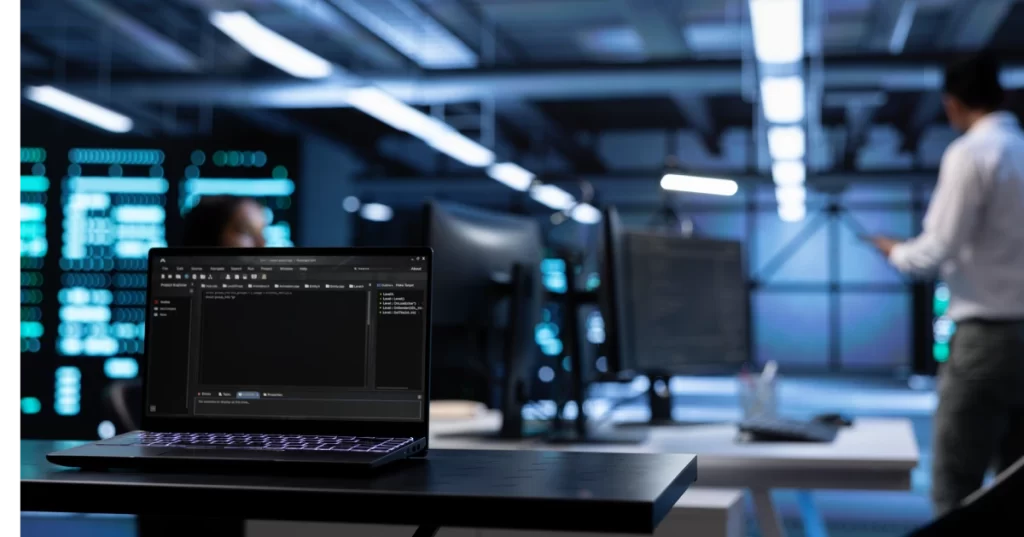
The automation of power transfer systems is promising for facilities that cannot tolerate outages. According to Future Market Insights, the automatic transfer switch market share is expanding from USD 929.0 million in 2025 to USD 1,571.9 million by 2035 at a 5.4% CAGR, driven by increasing demand for uninterrupted power supply and technological advances in remote monitoring.
Critical Infrastructure Requires Uninterrupted Power
Mission-critical facilities face serious consequences when power fails. Here’s how ATS systems protect hospitals, data centres, and commercial buildings that depend on continuous electricity.
Healthcare Applications
An ATS switch monitors primary power continuously and initiates transfer to backup generators when it detects voltage loss. This eliminates manual intervention that could delay power restoration during emergencies.
Healthcare facilities represent a substantial portion of adoption in essential services. Medical equipment like ventilators requires constant power to ensure patient safety, and emergency lighting depends on reliable backup that maintains safe conditions.
Data Centres and Telecommunications
Telecommunication networks and data centres must maintain connectivity during grid outages. Cellular towers support emergency services while communication hubs keep businesses operational.
Data centres cannot tolerate downtime because their clients depend on continuous availability. Even brief interruptions disrupt cloud computing and financial transactions, which creates economic losses and damages reputation.
The closed transition segment dominates because it maintains continuous power by briefly paralleling sources. This prevents even momentary interruptions that could damage sensitive electronics or corrupt data.
Commercial Sector Drives Market Growth
Commercial facilities recognize that power outages affect productivity and customer experience. Office complexes and shopping centers invest in reliability to protect operations.
Backup generator transfer capabilities have evolved beyond simple switching. Modern systems can manage multiple power sources, including utility grids and on-site generators for better reliability.
Data centres and IT infrastructure specifically depend on infrastructure that cannot accommodate power interruptions. Cloud computing platforms need continuous operation to serve their customers without service disruptions.
Technology Improvements Enhance Performance
IoT-enabled monitoring and predictive maintenance are reshaping backup power management across locations.
Remote Monitoring Capabilities
Digital controllers enable switching speeds measured in milliseconds. Fast transfer protects sensitive electronics that can’t tolerate voltage drops during transitions.
Remote diagnostics allow facility managers to track performance and identify issues before failures occur. This reduces emergency service calls and extends equipment lifespan through proactive maintenance scheduling.
The contactor switching mechanism leads the market due to its reliable operation. Contactors require lower maintenance compared to other mechanisms while delivering the fast response times that critical applications demand.
Modular Installation Options
Modular designs improve flexibility across different power systems. Facilities can scale capacity as needs grow without replacing entire installations, which reduces long-term costs.
Smart monitoring provides data on power quality that informs planning. This helps facilities anticipate capacity needs before reaching limits that could compromise operations.
Regional Adoption Patterns
Asia Pacific leads through industrial expansion and commercial development. China installed substantial numbers in 2024, with commercial buildings accounting for nearly half of deployments.
North America holds a significant share through U.S. adoption in the industrial and commercial sectors. Installations span facility types from manufacturing plants to office complexes.
Europe contributes through steady adoption. European markets emphasize integration with renewable energy sources and grid modernization supporting sustainability goals.
Capacity Ratings Match Application Needs
The 401 Amp to 1600 Amp segment captures the largest revenue share. This range serves medium to high-capacity requirements in commercial buildings and industrial facilities.
Lower ratings suit residential applications while higher ratings serve large complexes. The middle segment offers a balance between power handling and compact design that works across various installations.
TOSUN’s Manual Changeover Solutions
While our focus centers on manual changeover switches rather than fully automatic switching system solutions, we manufacture reliable distribution equipment supporting backup power applications.
Manual changeover switches offer cost-effective options where automatic transfer isn’t required. Small businesses and residential systems can operate manual switches during outages without the expense of automatic controls and monitoring systems.
Our low-voltage switchgear and distribution products complement both manual and automatic strategies. Modular designs allow flexible configuration from single-phase residential to three-phase commercial applications.
Market Outlook Through 2035
High initial investment remains a barrier, with industrial-grade units costing between USD 5,000 and USD 25,000 depending on capacity and features.
Installation requires skilled technicians for proper configuration and integration. Regulatory standards mandate safety certification that increases project complexity and timeline.
The outlook remains positive as facilities prioritise operational continuity across sectors. Growing deployment supports steady expansion over the forecast period.
Technological improvements in monitoring and switching speed will continue enhancing performance. Adoption will increase across sectors depending on uninterrupted power for operations that cannot afford downtime.

Telp: +86-577-88671000
E-mail: [email protected]
Skype: tosunelektrik
Telepon: +86-139 6881 9286
WhatsApp: +86-139 0587 7291
Alamat: Kamar No.1001 Wenzhou Fortune Center, Station Road, Wenzhou, Tiongkok
PERMINTAAN PENAWARAN
WhatsApp kami