Blog

  • Guida completa ai componenti del sistema di distribuzione dell'energia

    20 novembre 2025

    I componenti di distribuzione dell'energia elettrica includono sottostazioni, trasformatori, linee di distribuzione, dispositivi di protezione e apparecchiature di controllo. Questi lavorano insieme per fornire elettricità in modo sicuro dalla rete agli utenti finali. Questi sistemi si basano su interruttori automatici e apparecchiature di monitoraggio per mantenere un flusso di energia affidabile. Cosa sono i componenti del sistema di distribuzione dell'energia elettrica? Un sistema di distribuzione dell'energia elettrica riceve elettricità ad alta tensione dalla rete di trasmissione. Quindi converte questa energia in livelli di tensione utilizzabili. Il sistema distribuisce l'elettricità su più circuiti proteggendo al contempo le apparecchiature dai guasti. Tipo di componente Funzione principale Intervallo di tensione tipico Applicazioni comuni Sottostazioni Riduzione e controllo della tensione Da 66 kV a 11 kV Punti di interfaccia di rete Trasformatori Trasformazione di tensione Da 11 kV a 120/480 V Distribuzione agli utenti finali Linee di distribuzione Trasmissione di energia Da 11 kV a 400 V Alimentatori, distributori, reti di servizio Dispositivi di protezione Rilevamento guasti e isolamento Tutti i livelli di tensione Protezione del sistema Apparecchiature di commutazione Controllo e commutazione Da 600 V a 38 kV Controllo della distribuzione dell'energia elettrica Sottostazioni: i centri di riduzione della tensione Le sottostazioni sono strutture in cui la tensione di trasmissione viene ridotta ai livelli di distribuzione. Una sottostazione tipica riceve energia a 66 kV o 132 kV. La riduce a 11 kV o 33 kV per le reti di distribuzione locali. I trasformatori di potenza gestiscono la conversione della tensione. Gli interruttori automatici forniscono capacità di commutazione e protezione dai guasti. I quadri elettrici controllano il flusso di energia verso diverse linee di alimentazione. I relè di protezione monitorano le condizioni e attivano gli interruttori in caso di problemi. Le sottostazioni moderne utilizzano l'automazione per rilevare guasti e ripristinare l'alimentazione in modo più efficiente. Trasformatori nei sistemi di distribuzione I trasformatori modificano i livelli di tensione in più punti della rete di distribuzione. Diversi tipi svolgono funzioni specifiche. Trasformatori di distribuzione I trasformatori di distribuzione riducono la tensione di distribuzione primaria a livelli che i consumatori […]

    Per saperne di più
  • Gli standard da conoscere: perché gli interruttori differenziali di tipo B sono essenziali per applicazioni industriali specifiche

    20 novembre 2025

    Gli interruttori differenziali di tipo B sono essenziali perché rilevano correnti di guasto in corrente continua uniformi che i dispositivi standard non sono in grado di rilevare. Quando l'elettronica di potenza crea una dispersione in corrente continua, gli interruttori differenziali di tipo CA e di tipo A si disattivano e non intervengono. Le unità di tipo B utilizzano una tecnologia di rilevamento specializzata che funziona con tutti i tipi di corrente di guasto. Cos'è un interruttore differenziale di tipo B? Un interruttore differenziale di tipo B è un interruttore differenziale che rileva correnti di guasto in corrente alternata, in corrente continua pulsante e in corrente continua uniforme. I dispositivi di tipo CA rilevano solo correnti alternate. I dispositivi di tipo A gestiscono corrente alternata e corrente continua pulsante. Il tipo B è l'unica opzione che rileva correnti continue uniformi provenienti dall'elettronica di potenza. Gli interruttori differenziali di tipo B utilizzano la tecnologia di rilevamento flux-gate invece del design standard del trasformatore a nucleo. Questa tecnologia previene la saturazione magnetica che disattiva altri tipi di interruttori differenziali. Il dispositivo mantiene la sensibilità su tutte le forme d'onda della corrente di guasto, comprese le componenti CA ad alta frequenza e le correnti CC uniformi. Confronto tra i tipi di RCCB Tipo di RCCB Rileva correnti CA Rileva correnti CC pulsanti Rileva correnti CC uniformi Applicazioni comuni Tipo CA Sì No No Illuminazione di base, prese standard Tipo A Sì Sì No Elettrodomestici domestici, computer, luci a LED Tipo B Sì Sì Sì VFD, ricarica veicoli elettrici, impianti solari, apparecchiature industriali La differenza tra RCCB di tipo A e di tipo B si riduce al rilevamento fluido dei guasti in CC. Perché gli RCCB standard falliscono con l'elettronica di potenza Gli RCCB standard utilizzano un trasformatore a nucleo che monitora il bilanciamento della corrente tra i fili di fase e neutro. Il funzionamento normale mantiene queste correnti uguali senza campo magnetico netto. I guasti creano squilibri che generano un campo magnetico nel nucleo del trasformatore. Quando il campo raggiunge un […]

    Per saperne di più
  • Tutto quello che devi sapere sugli accessori elettrici

    13 novembre 2025

    Gli accessori elettrici sono i piccoli componenti che supportano i lavori di cablaggio e installazione. Alcuni di quelli più comuni includono condotti, pressacavi, morsettiere e scatole di derivazione. Questi componenti proteggono il cablaggio e contribuiscono a creare installazioni elettriche affidabili e strutturate. Perché gli accessori elettrici sono importanti Gli accessori elettrici supportano l'intero sistema di cablaggio. Guidano i cavi dove devono andare e mantengono ogni collegamento saldo e protetto una volta acceso l'impianto. Gli accessori giusti prevengono anche inutili sollecitazioni sul cablaggio e riducono il rischio di collegamenti allentati o instabili nel tempo. Il risultato si rivela vantaggioso: Panoramica rapida: Accessori elettrici per funzione Categoria Accessori Funzione principale Instradamento e gestione dei cavi Condotto, canalina portacavi, pressacavo, guida DIN, morsetto per cavi Proteggere e guidare i cavi Collegamento e terminazione Morsettiera, capocorda, terminali isolati Proteggere i collegamenti dei cavi Involucro e installazione Scatola di giunzione, involucro impermeabile, hardware del pannello Proteggere i componenti Controllo e indicazione Pulsante, spia luminosa, timer, interruttore a galleggiante Azionare o segnalare apparecchiature Sicurezza e test Tester di tensione, sensore di fumo, condensatore Migliorare l'affidabilità del sistema Instradamento e gestione dei cavi Questa categoria include gli accessori che definiscono come i cavi vengono disposti e supportati durante l'installazione. Esempi includono: Pressacavo PG Punto di ingresso cavi sicuro Sigillatura che impedisce l'ingresso di polvere e umidità Meccanismo antistrappo integrato Costruzione in poliammide resistente Visualizza dettagli e specifiche Connessione e terminazione Una volta che i cavi raggiungono la loro destinazione finale, l'attenzione si sposta sulla creazione di un contatto elettrico solido. Di seguito sono riportati gli accessori che mantengono i fili saldamente in posizione e mantengono il flusso di corrente senza punti caldi o giunzioni allentate. Cavo in rame SC-1 […]

    Per saperne di più
  • I 5 principali vantaggi del nastro isolante in PVC

    13 novembre 2025

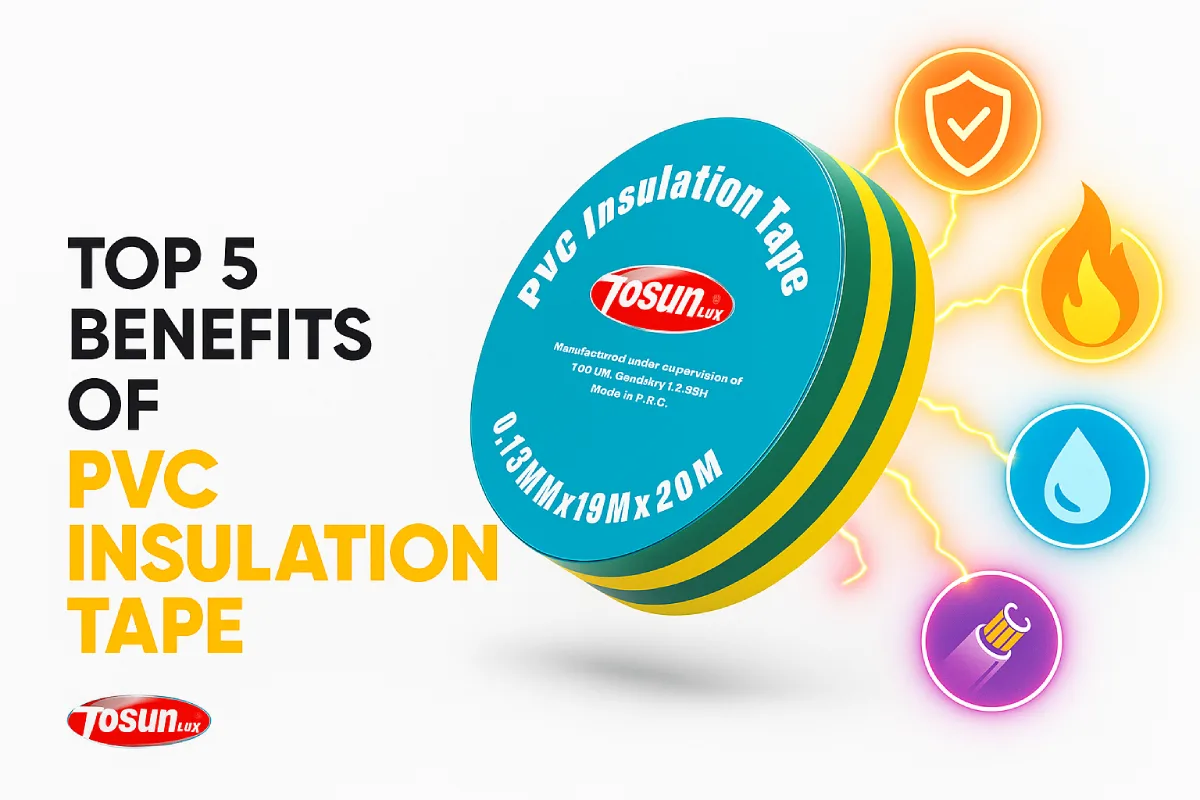
    PVC insulation tape gives installers more control over their wiring work. You can use it to wrap and protect cable joints so connections stay safe after installation. Other benefits include keeping cable runs organized and making phase identification quick during maintenance. What is PVC Tape? PVC tape is an electrical tape used to cover and protect wire connections. It forms an insulated layer around cable joints to prevent exposed conductors from making contact. The tape also keeps wiring tidy and easier to manage during installation. Benefits of Using PVC Insulation Tape So what are the advantages of using PVC insulation tape? Here are five advantages that matter on every job site. 1. Reliable insulation for electrical work PVC insulation tape keeps exposed conductors covered so connections stay safe after installation. It provides a protective layer around cable joints and terminals, reducing the risk of short circuits or current leakage. Contractors trust PVC tape for electrical insulation because: If you have multiple roll sizes on site, a PVC insulation tape jumbo roll saves time on larger projects since you do not have to replace rolls often. PVC Insulating Tape Reliable Electrical Insulation Self-Extinguishing Flame Retardant High Adhesion & Moisture Resistant Available in Multiple Colors for Phasing View Details & Specs 2. Resistant to moisture and abrasion Electrical connections are often exposed to humidity and friction from nearby metal surfaces. PVC insulation tape holds up in these conditions because it resists moisture and surface wear. Once wrapped, it forms a protective seal so the insulation stays intact […]

    Per saperne di più
  • Come scegliere il morsetto giusto

    12 novembre 2025

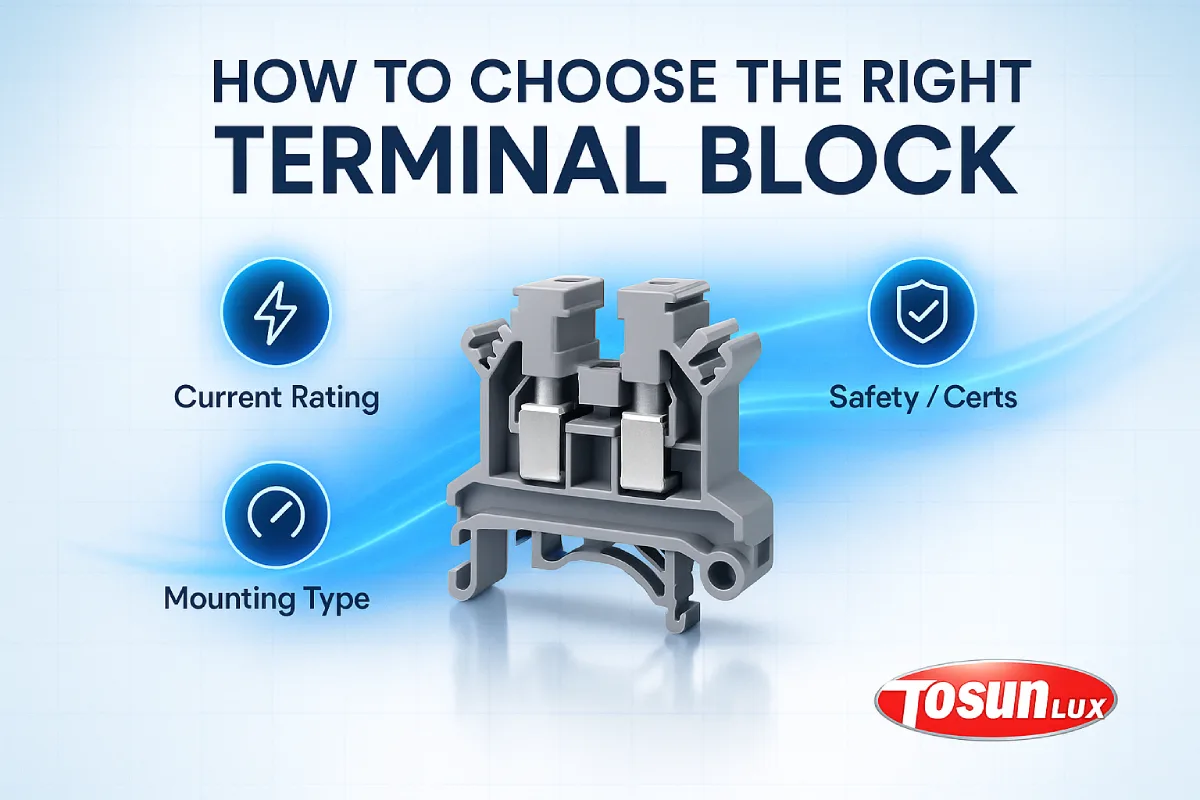
    Choosing the right terminal block requires matching voltage and current ratings to your system requirements, selecting an appropriate wire entry style, and considering the mounting method. Match the wire gauge capacity to your conductors and verify the block meets relevant safety standards for your application. What Do Terminal Blocks Do? Terminal blocks create secure, organized connections between wires without permanent splicing. They use mechanical clamping to hold conductors together inside an insulated housing. You’ll find them in industrial equipment where control wiring needs organized connection points. How Do Terminal Blocks Work? A terminal block clamps wire conductors against metal terminals using mechanical force. Insert a wire into the terminal opening and tighten the clamping mechanism. This creates a gas-tight connection that conducts electricity reliably while holding the conductor firmly in place. The insulated housing keeps adjacent connections separated. You can connect multiple wires to the same block without creating direct contact between circuits. This allows you to inspect or modify individual connections without affecting others. Terminal Block Types Terminal blocks vary based on mounting method, wire entry style, and clamping mechanism. Here are the main types: How do I choose the Right Terminal Block? Choosing a terminal block becomes easier when you evaluate things in order. Here’s what to consider: UK Terminal Block (Modular) Modular DIN Rail Mounting High-Insulation Housing (PA66) Secure Screw Clamp Connection IEC Certified for Reliability View Details & Specs Step 1: Calculate Current and Voltage Requirements Start by figuring out the maximum current your circuit will carry. Select a terminal block […]

    Per saperne di più
  • Qual è la differenza tra un morsetto a morsetti e una morsettiera?

    12 novembre 2025

    The main difference between a terminal block and a terminal strip is how they are structured. A terminal block is modular and insulated, allowing you to add or remove sections on a DIN rail. A terminal strip, meanwhile, is one fixed row of screw terminals used for simple wire-to-wire connection. What Is a Terminal Block? The best way to define terminal block is to see it as a modular connector that secures two or more wires inside an insulated housing. Inside the block, a metal conductor transfers current while a clamping mechanism (screw, spring, or push-in) holds the wire firmly in place. It gives you a safe wiring point without permanent splicing. What Is a Terminal strip? A terminal strip is a single fixed row of screw terminals used to connect wires point-to-point. Each section has a metal conductor with a screw on top, allowing the wire to be fastened securely. Unlike a modular terminal block, a terminal strip comes as one long piece and does not mount on a DIN rail. It is mainly used for simple wiring connections where circuits do not need frequent changes. How Are Terminal Blocks and Terminal Strips Different? The simplest way to compare terminal strip vs terminal block is by looking at structure, flexibility, and safety. The table below shows how each functions in an electrical setup. Terminal Block vs Terminal Strip (Quick Comparison) Category Terminal Block Terminal Strip Structure Modular connector with individual insulated terminals Single fixed strip with multiple screw terminals in one piece Wiring Flexibility […]

    Per saperne di più
  • Soluzioni intelligenti di misurazione e monitoraggio per sistemi elettrici moderni

    11 novembre 2025

    Smart measurement and monitoring solutions use smart meters, a digital panel meter, and power monitoring tools to track electrical usage and system health in real time. These technologies help reduce energy waste and support modern energy management goals across industrial sites. Smart Meters: The Foundation of Energy Monitoring Smart meters are electronic devices that record real-time energy usage. They replace mechanical meters that simply accumulate kWh totals and require manual reading. A smart meter measures consumption in intervals and sends that data to a remote server or app, giving users visibility into how energy is consumed throughout the day. Smart meters form the core of an energy management system. Users can see peak hours, track inefficient loads, and make informed decisions. Utilities benefit from this data because they can plan demand response events and detect faults faster. Important capabilities of smart meters Smart meters contribute to sustainability. By identifying when energy is wasted, users adjust usage and often discover appliances that consume standby power. The global smart meter market is expected to grow to nearly USD 46 billion by 2030, driven by grid modernization and distributed energy resources. Digital Panel Meter: Real-Time Parameter Monitoring A digital panel meter displays electrical parameters such as voltage, current, frequency, power factor, active power, and reactive power. It is installed directly on equipment panels or distribution board fronts. In industrial environments, the digital panel meter is used to monitor motors, transformers, control panels, and capacitor banks. Core advantages of digital panel meters While smart meters are used mainly for […]

    Per saperne di più
  • Come i contatori digitali migliorano l'efficienza energetica e il monitoraggio del sistema

    11 novembre 2025

    In modern industrial systems, Digital Panel Meters (DPMs) play an essential role in ensuring accurate monitoring, energy efficiency, and operational safety. These devices provide real-time measurement of electrical parameters like voltage, current, power, and energy consumption, enabling facility managers to make data-driven decisions that reduce waste and improve performance. At TOSUNlux, digital panel meters are engineered with precision measurement chips, LED/LCDs, and modular designs, helping industries maintain reliable, high-efficiency electrical systems. What Are Digital Panel Meters? Digital Panel Meters are compact measuring instruments used to display key electrical parameters within control panels and industrial systems. They replace traditional analog gauges with digital accuracy and modern display interfaces. Key Functions of Digital Panel Meters These meters perform several essential tasks: By integrating these readings into one system, DPMs help businesses streamline operations and detect irregularities early. Importance of Digital Panel Meters in Industrial Control Cabinets Digital panel meters are a cornerstone of industrial control systems, providing precise monitoring for electrical performance and safety. In control cabinets, they are typically used to measure and display the voltage, current, and power factor of the entire system. Digital Panel Meter (V/A) High-Precision Voltage/Current Display Bright, Clear LED for Readability Panel-Mount for Control Cabinets Robust Anti-Interference Design View Details & Specs Applications in Industrial Settings You can find DPMs in: TOSUNlux’s Digital Panel Meters are designed to meet the needs of these demanding environments, combining reliability, precision, and modern technology. LED/LCD Displays: Clarity That Enhances Efficiency Display clarity is one of the biggest advantages of digital panel meters over analog […]

    Per saperne di più
  • Soluzioni di illuminazione a LED per uso industriale e commerciale

    10 novembre 2025

    In today’s energy-conscious world, industries and businesses are increasingly turning to LED lighting solutions for efficient and sustainable illumination. From warehouse lighting and factory production lines to shopping mall displays and office spaces, LED technology offers long-lasting brightness with minimal energy consumption. As a trusted China LED lighting manufacturer, TOSUNlux has been providing reliable, certified lighting products since 1994. With a full range of LED fixtures from panel lights and tube lights to flood lights, bulbs, and strip lights, TOSUNlux delivers comprehensive lighting systems that meet the evolving needs of global industrial and commercial users. Why LED Lighting Solutions Are Essential for Modern Industries In today’s competitive industrial landscape, lighting is more than just illumination; it’s a key factor in energy efficiency, workplace safety, and operational productivity. Modern facilities require lighting systems that perform reliably, consume less energy, and adapt to diverse environments. This is where LED lighting solutions stand out. Let’s look at the major reasons why businesses across manufacturing, logistics, and commercial sectors are switching to LED technology. 1. Energy Efficiency and Cost Savings One of the biggest advantages of LED lighting solutions is their exceptional energy efficiency. Compared to traditional halogen or fluorescent lights, LEDs consume up to 80% less energy, resulting in significant long-term savings for industrial facilities. Benefits include: 2. Enhanced Durability and Longevity Industrial and commercial environments demand reliable lighting that can endure harsh conditions such as dust, heat, and continuous operation. TOSUNlux’s industrial LED lighting products are built with durable housings, advanced thermal management, and shock-resistant materials, ensuring […]

    Per saperne di più
  • Come i faretti LED TOSUNlux valorizzano i progetti all'aperto

    10 novembre 2025

    Outdoor environments require lighting that can withstand harsh conditions without compromising brightness or efficiency, whether illuminating parking areas, sports fields, or warehouse exteriors. High-quality outdoor LED flood lights provide unmatched visibility and reliability. As a trusted China-based lighting manufacturer, TOSUNlux has engineered a complete range of flood-light fixtures that combine IP65 waterproof performance, CE and TÜV certifications, and long-lasting durability. With more than 30 years of experience in the electrical industry, TOSUNlux ensures every light delivers stable output and energy efficiency for large-scale industrial and commercial projects. Why Outdoor LED Flood Lights Are Essential for Modern Projects Lighting in exterior spaces is not only about visibility, it’s also about safety, productivity, and aesthetics. Here’s why industries and construction professionals increasingly rely on TOSUNlux flood lighting solutions. Energy Efficiency and Long-Term Savings Modern LED flood lights consume significantly less energy than halogen or metal-halide lamps, reducing electricity costs while providing brighter illumination. Benefits include: Waterproof and Dustproof Design for Tough Conditions Outdoor fixtures must perform reliably through rain, dust, and temperature fluctuations. Each TOSUNlux unit features an IP65-rated enclosure, ensuring protection against water jets and dust intrusion. Key construction advantages: LED Flood Light Durable Die-Cast Aluminum Housing IP65 Waterproof Rating High-Efficiency & Uniform Coverage CE & TÜV Certified Quality View Details & Specs Innovative Features That Set TOSUNlux Apart 1. High Lumen Output with Uniform Coverage Each fixture is built with high-performance LED chips delivering bright, wide-angle light. This uniform distribution eliminates dark spots and glare, improving safety and visibility. 2. Advanced Options: Motion Sensors and […]

    Per saperne di più
Caricamento...