Блог

  • Повний посібник з компонентів системи розподілу електроенергії

    20 листопада 2025 року

    Компоненти розподілу електроенергії включають підстанції, трансформатори, розподільчі лінії, захисні пристрої та обладнання керування. Вони працюють разом для безпечної доставки електроенергії з мережі до кінцевих користувачів. Ці системи покладаються на автоматичні вимикачі та обладнання моніторингу для підтримки надійного потоку електроенергії. Що таке компоненти системи розподілу електроенергії? Система розподілу електроенергії отримує високовольтну електроенергію з мережі передачі. Потім вона перетворює цю енергію на придатні для використання рівні напруги. Система розподіляє електроенергію по кількох ланцюгах, захищаючи обладнання від несправностей. Тип компонента Основна функція Типовий діапазон напруги Загальні застосування Підстанції Зниження та регулювання напруги 66 кВ до 11 кВ Точки сполучення з мережею Трансформатори Трансформація напруги 11 кВ до 120/480 В Розподіл до кінцевих користувачів Розподільні лінії Передача електроенергії 11 кВ до 400 В Живлення, розподільники, сервісні мережі Захисні пристрої Виявлення несправностей та ізоляція Всі рівні напруги Захист системи Розподільні пристрої Керування та комутація 600 В до 38 кВ Керування розподілом електроенергії Підстанції: вузли зниження напруги Підстанції - це установки, де напруга передачі знижується до рівнів розподілу. Типова підстанція отримує електроенергію 66 кВ або 132 кВ. Для локальних розподільчих мереж це знижується до 11 кВ або 33 кВ. Ви знайдете силові трансформатори, які виконують перетворення напруги. Автоматичні вимикачі забезпечують комутаційну здатність та захист від несправностей. Розподільні пристрої контролюють потік потужності до різних живильників. Захисні реле контролюють умови та вмикають вимикачі, коли виникають проблеми. Сучасні підстанції використовують автоматизацію для виявлення несправностей та ефективнішого відновлення живлення. Трансформатори в розподільних системах Трансформатори змінюють рівні напруги в кількох точках розподільчої мережі. Різні типи виконують певні функції. Розподільні трансформатори Розподільні трансформатори знижують первинну розподільчу напругу до рівнів, які споживачі […]

    Детальніше
  • Стандарти, які обов'язково потрібно знати: чому ПЗВ типу B є важливими для певних промислових застосувань

    20 листопада 2025 року

    ВЗЧ типу B є важливими, оскільки вони виявляють згладжені струми короткого замикання постійного струму, які стандартні пристрої не можуть бачити. Коли силова електроніка створює витік постійного струму, ВЗЧ типу змінного струму та типу A засліплюються та не спрацьовують. Пристрої типу B використовують спеціалізовану технологію виявлення, яка працює з усіма типами струмів короткого замикання. Що таке ВЗЧ типу B? ВЗЧ типу B – це автоматичний вимикач захисного відключення, який виявляє змінний струм, пульсуючий постійний струм та згладжені струми короткого замикання постійного струму. Пристрої типу змінного струму виявляють лише змінні струми. Пристрої типу A обробляють змінний та пульсуючий постійний струм. Тип B – єдиний варіант, який виявляє згладжені струми постійного струму від силової електроніки. ВЗЧ типу B використовують технологію детектування на основі ферросенду замість стандартної конструкції трансформатора з сердечником. Ця технологія запобігає магнітному насиченню, яке засліплює інші типи ВЗЧ. Пристрій підтримує чутливість до всіх форм хвиль струму короткого замикання, включаючи високочастотні компоненти змінного струму та згладжені струми постійного струму. Порівняння типів ПЗВ Тип ПЗВ Виявляє змінний струм Виявляє пульсуючий постійний струм Виявляє плавний постійний струм Загальні застосування Тип Змінний струм Так Ні Ні Базове освітлення, стандартні розетки Тип A Так Так Ні Побутова техніка, комп'ютери, світлодіодні лампи Тип B Так Так Так Частотні перетворювачі, зарядка електромобілів, сонячні системи, промислове обладнання Різниця між ПЗВ типу A та типу B полягає в плавному виявленні несправностей постійного струму. Чому стандартні ПЗВ виходять з ладу з силовою електронікою Стандартні ПЗВ використовують трансформатор з сердечником, який контролює баланс струмів між фазним та нейтральним проводами. Нормальна робота підтримує рівні ці струми без чистого магнітного поля. Несправності створюють дисбаланси, які генерують магнітне поле в осерді трансформатора. Коли поле досягає […]

    Детальніше
  • Все, що вам потрібно знати про електротехнічні аксесуари

    13 листопада 2025 року

    Електричні аксесуари – це невеликі компоненти, які підтримують електромонтаж та монтажні роботи. Деякі з поширених включають кабельні канали, кабельні сальники, клемні колодки та розподільні коробки. Ці компоненти захищають проводку та допомагають створювати надійні, структуровані електроустановки. Чому електричні аксесуари важливі Електричні аксесуари підтримують всю систему проводки. Вони направляють кабелі туди, куди потрібно, та забезпечують надійний та захищений режим кожного з'єднання після ввімкнення живлення установки. Правильні аксесуари також запобігають зайвому навантаженню на проводку та зменшують ймовірність ослаблення або нестабільних з'єднань з часом. Результат виявляється корисним: Короткий огляд: Електричні аксесуари за функціями Категорія Аксесуари Основна функція Прокладання та управління кабелями Кабель-канал, кабельний канал, кабельний сальник, DIN-рейка, кабельний затискач Захист та спрямування кабелів Підключення та завершення Клемна колодка, кабельний наконечник, ізольовані клеми Безпека з'єднань проводів Корпус та встановлення Розподільна коробка, водонепроникний корпус, фурнітура панелі Захист компонентів Керування та індикація Кнопка, індикаторна лампа, таймер, поплавковий вимикач Керування або сигналізація обладнання Безпека та тестування Тестер напруги, датчик диму, конденсатор Підвищення надійності системи Прокладання та управління кабелями Ця категорія включає аксесуари, які визначають, як кабелі прокладаються та підтримуються під час встановлення. Приклади включають: кабельний ввід PG Безпечне ущільнення точки входу кабелю Запобігання проникненню пилу та вологи Вбудований механізм зняття натягу Міцна поліамідна конструкція Переглянути деталі та характеристики Підключення та замикання Після того, як кабелі досягають кінцевого пункту призначення, увага зосереджується на створенні надійного електричного контакту. Нижче наведено аксесуари, які надійно утримують дроти на місці та забезпечують протікання струму без гарячих точок або нещільних з'єднань. Мідний кабель SC-1 […]

    Детальніше
  • 5 головних переваг ізоляційної стрічки з ПВХ

    13 листопада 2025 року

    PVC insulation tape gives installers more control over their wiring work. You can use it to wrap and protect cable joints so connections stay safe after installation. Other benefits include keeping cable runs organized and making phase identification quick during maintenance. What is PVC Tape? PVC tape is an electrical tape used to cover and protect wire connections. It forms an insulated layer around cable joints to prevent exposed conductors from making contact. The tape also keeps wiring tidy and easier to manage during installation. Benefits of Using PVC Insulation Tape So what are the advantages of using PVC insulation tape? Here are five advantages that matter on every job site. 1. Reliable insulation for electrical work PVC insulation tape keeps exposed conductors covered so connections stay safe after installation. It provides a protective layer around cable joints and terminals, reducing the risk of short circuits or current leakage. Contractors trust PVC tape for electrical insulation because: If you have multiple roll sizes on site, a PVC insulation tape jumbo roll saves time on larger projects since you do not have to replace rolls often. PVC Insulating Tape Reliable Electrical Insulation Self-Extinguishing Flame Retardant High Adhesion & Moisture Resistant Available in Multiple Colors for Phasing View Details & Specs 2. Resistant to moisture and abrasion Electrical connections are often exposed to humidity and friction from nearby metal surfaces. PVC insulation tape holds up in these conditions because it resists moisture and surface wear. Once wrapped, it forms a protective seal so the insulation stays intact […]

    Детальніше
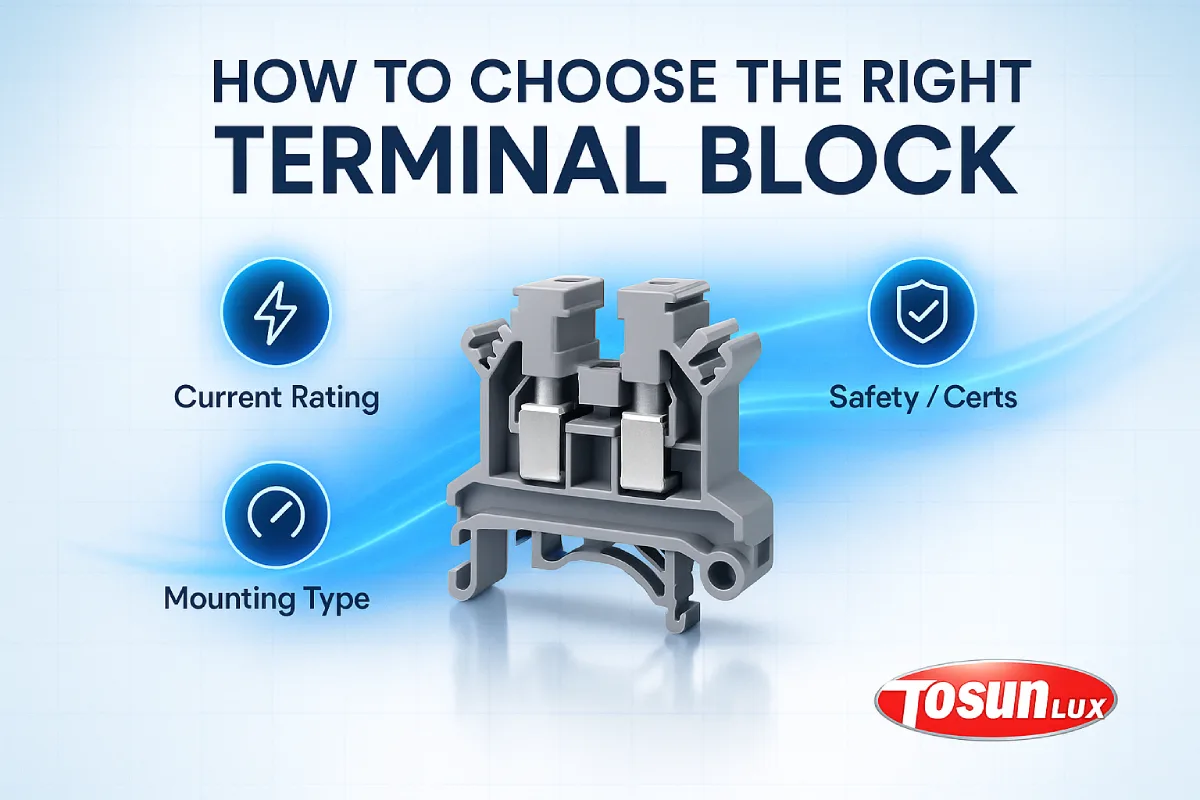
  • Як вибрати правильний клемний блок

    12 листопада 2025 року

    Choosing the right terminal block requires matching voltage and current ratings to your system requirements, selecting an appropriate wire entry style, and considering the mounting method. Match the wire gauge capacity to your conductors and verify the block meets relevant safety standards for your application. What Do Terminal Blocks Do? Terminal blocks create secure, organized connections between wires without permanent splicing. They use mechanical clamping to hold conductors together inside an insulated housing. You’ll find them in industrial equipment where control wiring needs organized connection points. How Do Terminal Blocks Work? A terminal block clamps wire conductors against metal terminals using mechanical force. Insert a wire into the terminal opening and tighten the clamping mechanism. This creates a gas-tight connection that conducts electricity reliably while holding the conductor firmly in place. The insulated housing keeps adjacent connections separated. You can connect multiple wires to the same block without creating direct contact between circuits. This allows you to inspect or modify individual connections without affecting others. Terminal Block Types Terminal blocks vary based on mounting method, wire entry style, and clamping mechanism. Here are the main types: How do I choose the Right Terminal Block? Choosing a terminal block becomes easier when you evaluate things in order. Here’s what to consider: UK Terminal Block (Modular) Modular DIN Rail Mounting High-Insulation Housing (PA66) Secure Screw Clamp Connection IEC Certified for Reliability View Details & Specs Step 1: Calculate Current and Voltage Requirements Start by figuring out the maximum current your circuit will carry. Select a terminal block […]

    Детальніше
  • Яка різниця між клемною колодкою та клемною смугою?

    12 листопада 2025 року

    The main difference between a terminal block and a terminal strip is how they are structured. A terminal block is modular and insulated, allowing you to add or remove sections on a DIN rail. A terminal strip, meanwhile, is one fixed row of screw terminals used for simple wire-to-wire connection. What Is a Terminal Block? The best way to define terminal block is to see it as a modular connector that secures two or more wires inside an insulated housing. Inside the block, a metal conductor transfers current while a clamping mechanism (screw, spring, or push-in) holds the wire firmly in place. It gives you a safe wiring point without permanent splicing. What Is a Terminal strip? A terminal strip is a single fixed row of screw terminals used to connect wires point-to-point. Each section has a metal conductor with a screw on top, allowing the wire to be fastened securely. Unlike a modular terminal block, a terminal strip comes as one long piece and does not mount on a DIN rail. It is mainly used for simple wiring connections where circuits do not need frequent changes. How Are Terminal Blocks and Terminal Strips Different? The simplest way to compare terminal strip vs terminal block is by looking at structure, flexibility, and safety. The table below shows how each functions in an electrical setup. Terminal Block vs Terminal Strip (Quick Comparison) Category Terminal Block Terminal Strip Structure Modular connector with individual insulated terminals Single fixed strip with multiple screw terminals in one piece Wiring Flexibility […]

    Детальніше
  • Інтелектуальні рішення для вимірювання та моніторингу сучасних електричних систем

    11 листопада 2025 року

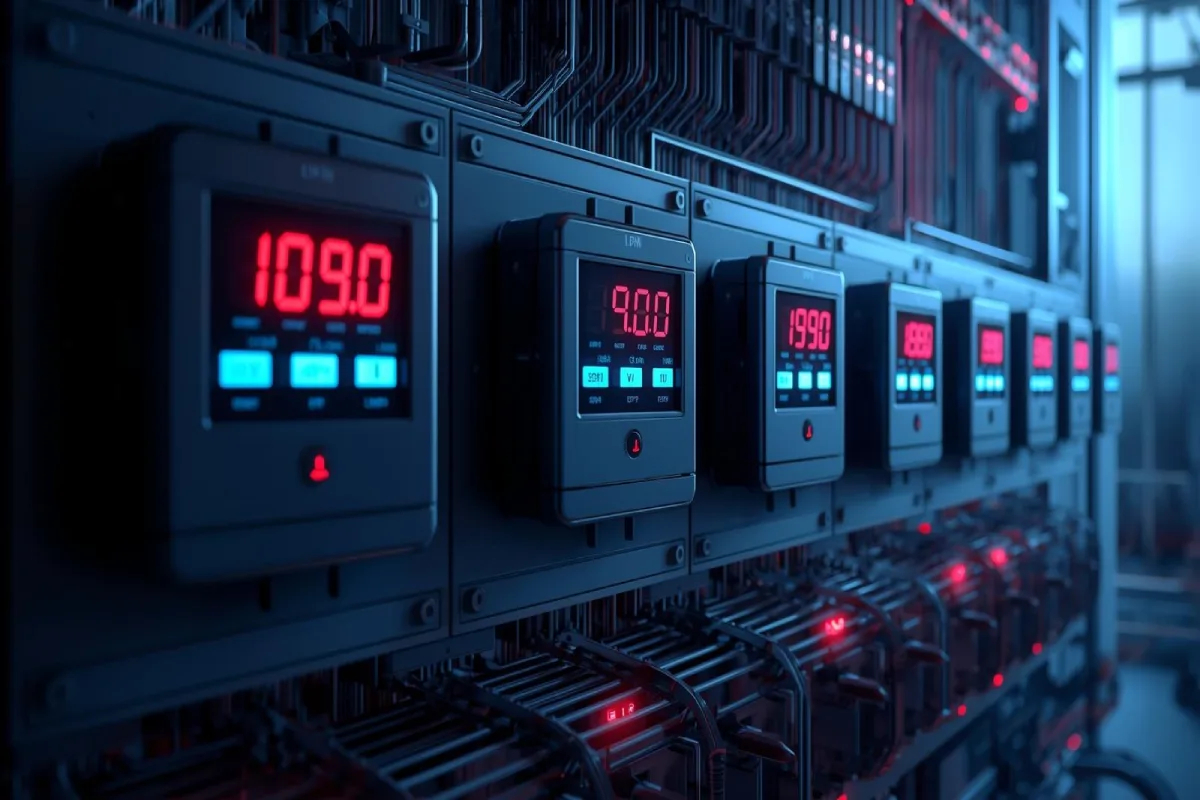
    Smart measurement and monitoring solutions use smart meters, a digital panel meter, and power monitoring tools to track electrical usage and system health in real time. These technologies help reduce energy waste and support modern energy management goals across industrial sites. Smart Meters: The Foundation of Energy Monitoring Smart meters are electronic devices that record real-time energy usage. They replace mechanical meters that simply accumulate kWh totals and require manual reading. A smart meter measures consumption in intervals and sends that data to a remote server or app, giving users visibility into how energy is consumed throughout the day. Smart meters form the core of an energy management system. Users can see peak hours, track inefficient loads, and make informed decisions. Utilities benefit from this data because they can plan demand response events and detect faults faster. Important capabilities of smart meters Smart meters contribute to sustainability. By identifying when energy is wasted, users adjust usage and often discover appliances that consume standby power. The global smart meter market is expected to grow to nearly USD 46 billion by 2030, driven by grid modernization and distributed energy resources. Digital Panel Meter: Real-Time Parameter Monitoring A digital panel meter displays electrical parameters such as voltage, current, frequency, power factor, active power, and reactive power. It is installed directly on equipment panels or distribution board fronts. In industrial environments, the digital panel meter is used to monitor motors, transformers, control panels, and capacitor banks. Core advantages of digital panel meters While smart meters are used mainly for […]

    Детальніше
  • Як цифрові панельні лічильники покращують енергоефективність та моніторинг системи

    11 листопада 2025 року

    In modern industrial systems, Digital Panel Meters (DPMs) play an essential role in ensuring accurate monitoring, energy efficiency, and operational safety. These devices provide real-time measurement of electrical parameters like voltage, current, power, and energy consumption, enabling facility managers to make data-driven decisions that reduce waste and improve performance. At TOSUNlux, digital panel meters are engineered with precision measurement chips, LED/LCDs, and modular designs, helping industries maintain reliable, high-efficiency electrical systems. What Are Digital Panel Meters? Digital Panel Meters are compact measuring instruments used to display key electrical parameters within control panels and industrial systems. They replace traditional analog gauges with digital accuracy and modern display interfaces. Key Functions of Digital Panel Meters These meters perform several essential tasks: By integrating these readings into one system, DPMs help businesses streamline operations and detect irregularities early. Importance of Digital Panel Meters in Industrial Control Cabinets Digital panel meters are a cornerstone of industrial control systems, providing precise monitoring for electrical performance and safety. In control cabinets, they are typically used to measure and display the voltage, current, and power factor of the entire system. Digital Panel Meter (V/A) High-Precision Voltage/Current Display Bright, Clear LED for Readability Panel-Mount for Control Cabinets Robust Anti-Interference Design View Details & Specs Applications in Industrial Settings You can find DPMs in: TOSUNlux’s Digital Panel Meters are designed to meet the needs of these demanding environments, combining reliability, precision, and modern technology. LED/LCD Displays: Clarity That Enhances Efficiency Display clarity is one of the biggest advantages of digital panel meters over analog […]

    Детальніше
  • Світлодіодні освітлювальні рішення для промислового та комерційного використання

    10 листопада 2025 року

    In today’s energy-conscious world, industries and businesses are increasingly turning to LED lighting solutions for efficient and sustainable illumination. From warehouse lighting and factory production lines to shopping mall displays and office spaces, LED technology offers long-lasting brightness with minimal energy consumption. As a trusted China LED lighting manufacturer, TOSUNlux has been providing reliable, certified lighting products since 1994. With a full range of LED fixtures from panel lights and tube lights to flood lights, bulbs, and strip lights, TOSUNlux delivers comprehensive lighting systems that meet the evolving needs of global industrial and commercial users. Why LED Lighting Solutions Are Essential for Modern Industries In today’s competitive industrial landscape, lighting is more than just illumination; it’s a key factor in energy efficiency, workplace safety, and operational productivity. Modern facilities require lighting systems that perform reliably, consume less energy, and adapt to diverse environments. This is where LED lighting solutions stand out. Let’s look at the major reasons why businesses across manufacturing, logistics, and commercial sectors are switching to LED technology. 1. Energy Efficiency and Cost Savings One of the biggest advantages of LED lighting solutions is their exceptional energy efficiency. Compared to traditional halogen or fluorescent lights, LEDs consume up to 80% less energy, resulting in significant long-term savings for industrial facilities. Benefits include: 2. Enhanced Durability and Longevity Industrial and commercial environments demand reliable lighting that can endure harsh conditions such as dust, heat, and continuous operation. TOSUNlux’s industrial LED lighting products are built with durable housings, advanced thermal management, and shock-resistant materials, ensuring […]

    Детальніше
  • Як світлодіодні прожектори TOSUNlux покращують зовнішні проекти

    10 листопада 2025 року

    Outdoor environments require lighting that can withstand harsh conditions without compromising brightness or efficiency, whether illuminating parking areas, sports fields, or warehouse exteriors. High-quality outdoor LED flood lights provide unmatched visibility and reliability. As a trusted China-based lighting manufacturer, TOSUNlux has engineered a complete range of flood-light fixtures that combine IP65 waterproof performance, CE and TÜV certifications, and long-lasting durability. With more than 30 years of experience in the electrical industry, TOSUNlux ensures every light delivers stable output and energy efficiency for large-scale industrial and commercial projects. Why Outdoor LED Flood Lights Are Essential for Modern Projects Lighting in exterior spaces is not only about visibility, it’s also about safety, productivity, and aesthetics. Here’s why industries and construction professionals increasingly rely on TOSUNlux flood lighting solutions. Energy Efficiency and Long-Term Savings Modern LED flood lights consume significantly less energy than halogen or metal-halide lamps, reducing electricity costs while providing brighter illumination. Benefits include: Waterproof and Dustproof Design for Tough Conditions Outdoor fixtures must perform reliably through rain, dust, and temperature fluctuations. Each TOSUNlux unit features an IP65-rated enclosure, ensuring protection against water jets and dust intrusion. Key construction advantages: LED Flood Light Durable Die-Cast Aluminum Housing IP65 Waterproof Rating High-Efficiency & Uniform Coverage CE & TÜV Certified Quality View Details & Specs Innovative Features That Set TOSUNlux Apart 1. High Lumen Output with Uniform Coverage Each fixture is built with high-performance LED chips delivering bright, wide-angle light. This uniform distribution eliminates dark spots and glare, improving safety and visibility. 2. Advanced Options: Motion Sensors and […]

    Детальніше
Завантаження...