 : +86-139 0587 7291
 انگلیسی
 اسپانیا
 Русский
 فرانسه
 العربية
 Português do Brasil
 اوکراین
 ترکچه
ترکچه پولسکی
 هلند
هلند ایتالیایی
 باهاسا اندونزی
 हिन्दी
 اردو
اردو አማርኛ
አማርኛ فارسی
فارسی ไทย
ไทย منگول
منگول فارسی
فارسی زبان فارسی
 زبان
زبان

MCCB Types Explained: Type B, C, D, K, Z — How Each Works & When to Use Them
Table of Contents
تغییر وضعیت دهیدکلیدهای مدار انواع مختلفی دارند و برای نصب صحیح آنها باید نحوه عملکرد آنها را بدانید. این قطع کننده های مدار به انواع مختلفی دسته بندی می شوند: نوع B، نوع C، نوع D، نوع K و نوع Z. MCCB نوع B با مشاهده ولتاژ 3 تا 5 برابر جریان نامی قطع می شود، در حالی که نوع C با مشاهده ولتاژ 5 تا 10 بار قطع می شود.
MCCB یک وسیله حفاظت الکتریکی عالی است. بدنه آن مهر و موم شده است و باز نمی شود. اما درست مانند هر تجهیزات الکتریکی دیگری، برای عملکرد صحیح نیاز به تعمیر و نگهداری دوره ای دارد.
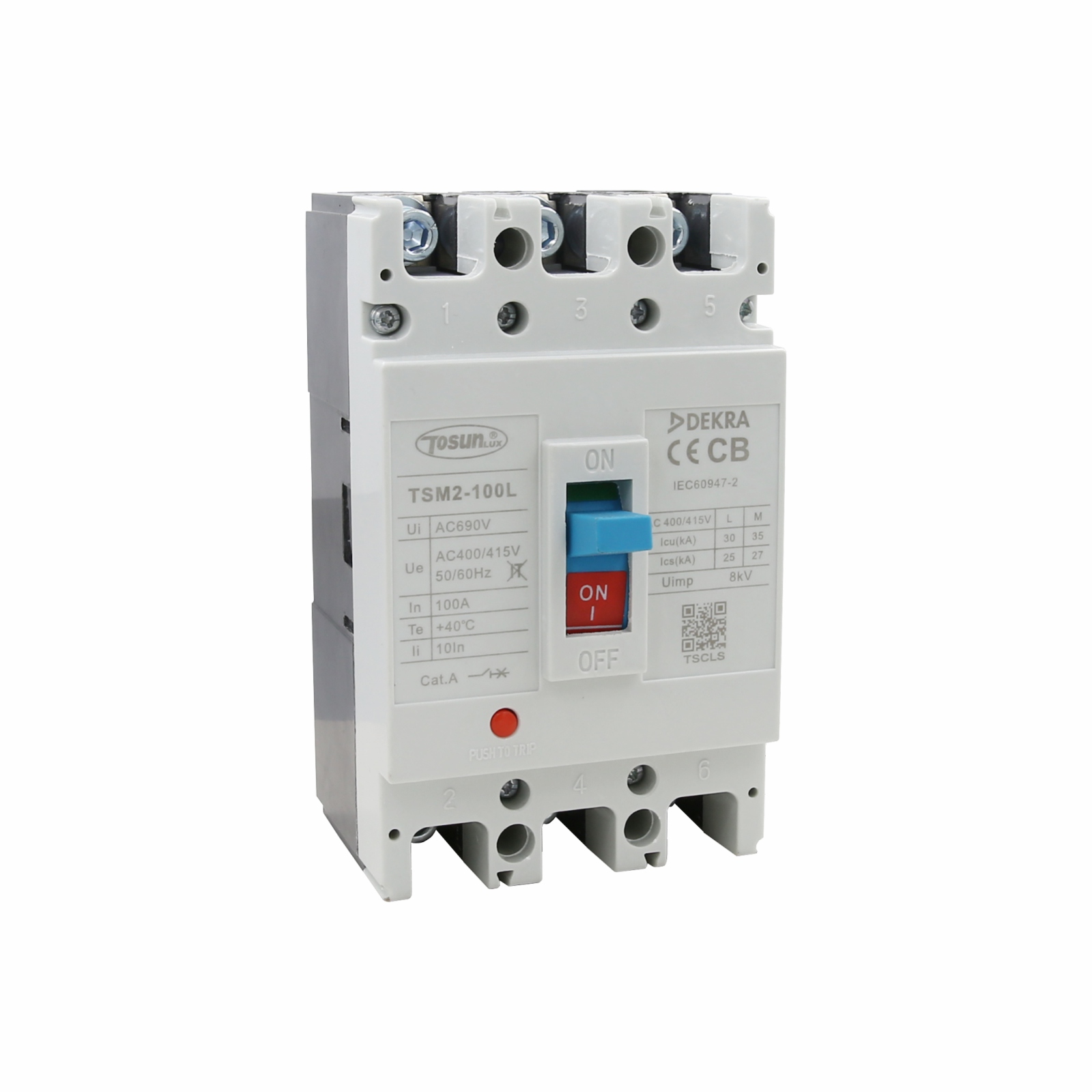
MCCB ها می توانند یک جریان زیاد و یک اتصال کوتاه را تحمل کنند. آنها همچنین دارای یک یونیت سفر متحرک و زمان سفر کوتاه هستند. برخی از انواع دارای ویژگیهای روشن/خاموش از راه دور هستند، که آنها را در محیطهای صنعتی که شوکهای الکتریکی یک خطر رایج هستند، مفید میسازد.
متفاوت انواع MCCB در تنظیمات مختلف الکتریکی استفاده می شود. اگر می خواهید در مورد انواع مختلف MCCB و نحوه عملکرد آن بدانید، به خواندن این مقاله ادامه دهید.
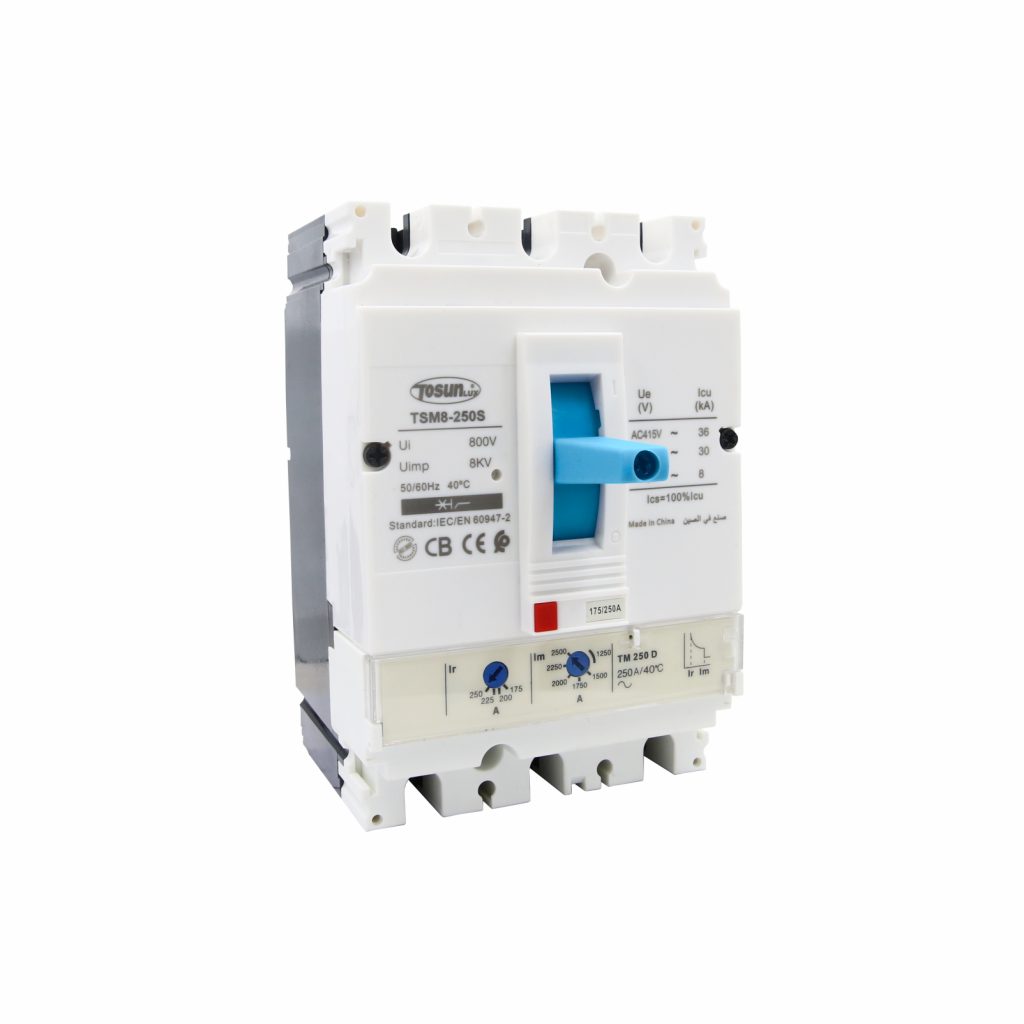
MCCB چگونه کار می کند؟
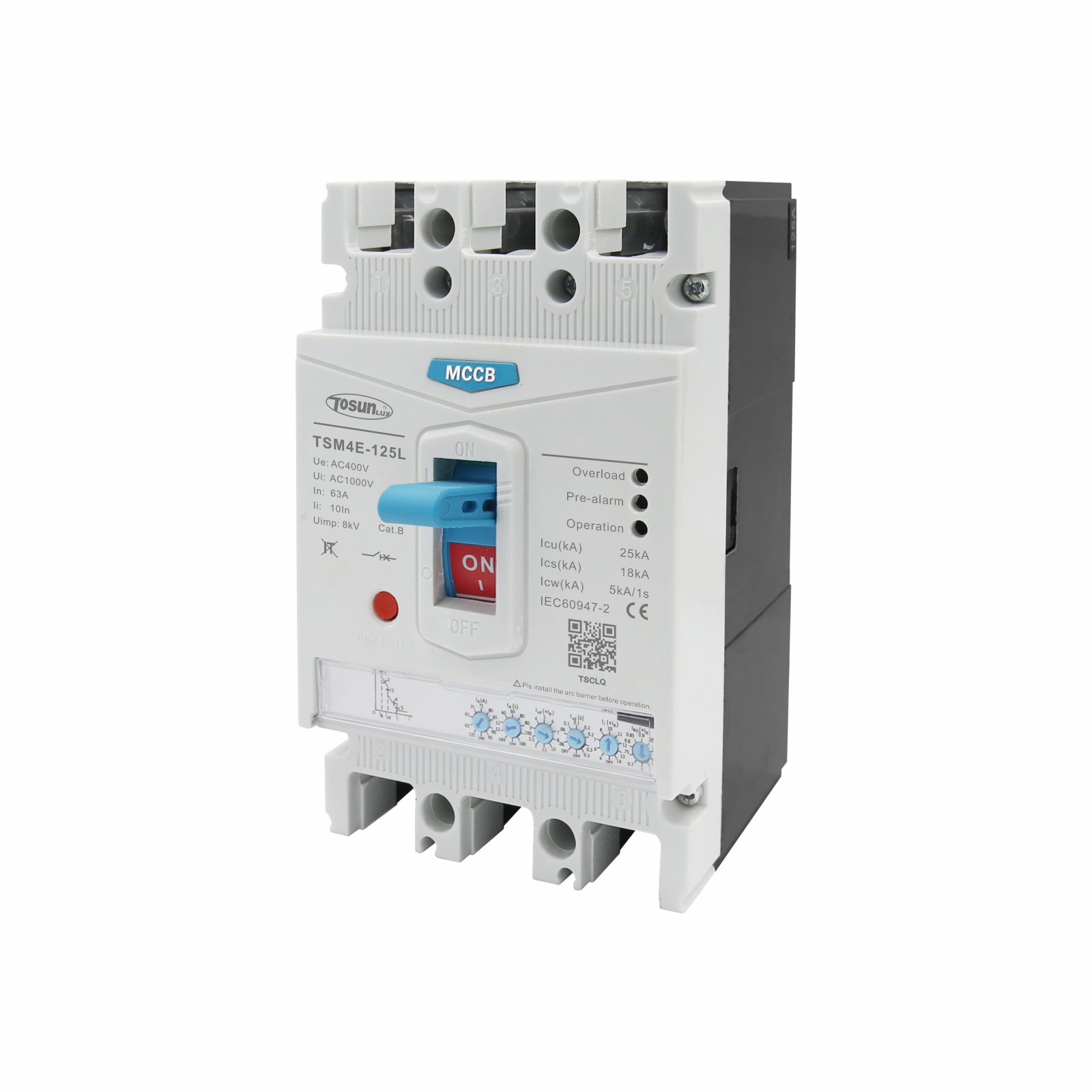
MCCB ها به گونه ای طراحی شده اند که به صورت خودکار جریان الکتریسیته را در صورت تشخیص عیب قطع کنند. آنها از چندین جزء کلیدی مانند واحد قطع رله، اجزای حساس به دما مانند نوار دو فلزی و کنتاکت های قوس دار تشکیل شده اند. ترکیب این ویژگیها به MCCB اجازه میدهد تا با قطع سریع مدار معیوب، به اضافه بارها و اتصال کوتاه پاسخ دهد و ایمنی الکتریکی را تضمین کند.
واحد قطع رله: این مغز MCCB است. این شامل یک سیم پیچ الکترومغناطیسی و یک پیستون قطع کننده است که هنگام تشخیص عیب، شکن را فعال می کند. بسته به شدت عیب، سیستم می تواند فورا یا با تأخیر قطع کننده را خاموش کند.
نوار دو فلزی: این قطعه زمانی که جریان از حد مطمئن فراتر رود منبسط می شود و باعث خم شدن آن و در نهایت ضربه زدن به شکن می شود. این به محافظت در برابر شرایط اضافه بار طولانی مدت کمک می کند.
آرسینگ مخاطبین: These contacts are responsible for interrupting the electrical arc that forms when the breaker trips. Their quick response minimises the risk of fire and further damage.
By using these components, MCCBs provide comprehensive protection in a wide range of electrical systems. For installations requiring adjustable tripping characteristics, the TSM4E Electronic Type Moulded Case Circuit Breaker allows engineers to fine-tune protection settings directly to the circuit’s specific load profile.
MCCB Type Comparison: Tripping Ranges and Applications at a Glance
Selecting the correct MCCB type begins with understanding how each one responds to overcurrent events. The table below summarises the five standard MCCB types, their tripping current ranges, and the applications they are best suited for. Use this as a quick reference before consulting the detailed descriptions that follow.
MCCB Type Comparison: Tripping Ranges and Applications at a Glance
Selecting the correct MCCB type begins with understanding how each one responds to overcurrent events. The table below summarises the five standard MCCB types, their tripping current ranges, and the applications they are best suited for. Use this as a quick reference before consulting the detailed descriptions that follow.
| تایپ کنید | Trip range | Typical use case | Inrush tolerance |
|---|---|---|---|
| Type B | 3–5× rated current | Residential lighting, small appliances | کم |
| Type C | 5–10× rated current | Commercial & general industrial (motors, transformers) | متوسط |
| Type D | 10–20× rated current | Heavy industrial machinery, frequent start/stop | بالا |
| Type K | 8–12× rated current | Sensitive equipment, dual-cable circuits | Moderate–high |
| Type Z | 2–3× rated current | Telecom, data centers, sensitive electronics | Telecom, data centres, sensitive electronics |
انتخاب نوع مناسب MCCB
انتخاب MCCB به نیازهای الکتریکی خاص سیستم بستگی دارد. در زیر، انواع مختلف MCCB ها را بررسی می کنیم که هر کدام برای مدیریت سطوح مختلف جریان و زمان پاسخ طراحی شده اند.
MCCB های نوع B
Type B moulded case circuit breakers are designed for residential and light commercial applications where inrush currents are low. They trip at 3 to 5 times the rated current, making them well-suited for protecting lighting circuits, socket outlets, and small household appliances. They trip at 3 to 5 times the rated current. These breakers are ideal for protecting circuits with low inrush currents, such as lighting and small appliances.
MCCB های نوع C
Type C MCCBs are the most widely used moulded case circuit breakers in general commercial and industrial settings. With a tripping range of 5 to 10 times the rated current, they handle moderate inrush currents from equipment such as motors, pumps, and transformers without nuisance tripping. They are suitable for general-purpose use in commercial and industrial applications. Type C breakers are commonly used in systems that involve equipment with moderate inrush currents, such as motors and transformers. The TSM2 Moulded Case Circuit Breaker is a dependable Type C-rated solution for commercial and light industrial installations, offering high performance overload and short circuit protection in a compact sealed casing.
MCCB نوع D
Type D moulded case circuit breakers are engineered for heavy industrial environments where large machinery generates high inrush currents on startup. They trip at 10 to 20 times the rated current, providing reliable short circuit protection without interrupting normal operation of equipment like compressors, welding machines, and industrial presses. Type D breakers trip at 10 to 20 times the rated current and are best used in environments where substantial equipment starts and stops frequently. Their higher tolerance to inrush currents makes them ideal for heavy-duty operations. For demanding heavy-duty environments, the TSM9 Moulded Case Circuit Breaker provides robust protection against overload, short circuit, and under-voltage conditions in AC 50/60Hz industrial circuits.
MCCB نوع K
Type K MCCBs offer enhanced protection for circuits carrying sensitive equipment or installations with two cables. Tripping at 8 to 12 times the rated current, they balance tolerance for surge currents with fast response to genuine faults, making them a preferred choice where standard Type C protection is insufficient.They trip at 8 to 12 times the rated current and are often used in settings where more sensitive equipment is involved. Type K breakers are ideal for providing enhanced protection in installations where surge currents are common.
MCCB نوع Z
Type Z moulded case circuit breakers are the most sensitive type available, tripping at just 2 to 3 times the rated current. They are specifically designed to protect delicate electronic equipment in telecommunications infrastructure, data centres, and precision measurement systems where even minor overloads can cause irreversible damage. They are used to protect sensitive electronic equipment, making them suitable for applications like telecommunications and data centers. While they are not as versatile as other types, their ability to react to small overloads makes them an essential component in sensitive circuits.
راه حل های قابل اعتماد MCCB با قیمت های رقابتی - امروز قیمت خود را درخواست کنید!
ملاحظات کلیدی هنگام انتخاب MCCB
هنگام انتخاب MCCB مناسب، عوامل زیر را در نظر بگیرید:
- رتبه بندی فعلی: اطمینان حاصل کنید که درجه بندی جریان MCCB با بار مورد انتظار مدار مطابقت دارد تا از خاموش شدن غیر ضروری یا محافظت ناکافی جلوگیری شود.
- نوع برنامه: انواع مختلف MCCB ها برای محیط های مختلف مانند محیط های مسکونی، تجاری یا صنعتی مناسب هستند. درک برنامه شما به شما کمک می کند MCCB مناسب را انتخاب کنید.
- زمان پاسخگویی: یک MCCB با زمان پاسخ صحیح انتخاب کنید تا مطمئن شوید که در شرایط اضافه بار یا اتصال کوتاه به سرعت کار می کند.
سؤالات متداول: سؤالات متداول در مورد MCCB
Q1: تفاوت بین MCCB و MCB چیست؟
A1: در حالی که هر دو برای محافظت از مدارها در برابر اضافه بار و اتصال کوتاه عمل می کنند، MCCB ها می توانند جریان های بالاتری را تحمل کنند و اغلب در کاربردهای صنعتی استفاده می شوند. MCB ها عموماً در کاربردهای مسکونی و تجاری سبک استفاده می شوند.
Q2: آیا می توان MCCB را بازنشانی کرد؟
A2: بله، به محض اینکه یک MCCB سفر کرد، می توان آن را به صورت دستی بازنشانی کرد. با این حال، بررسی علت سفر قبل از تنظیم مجدد بریکر مهم است.
Q3: هر چند وقت یکبار باید MCCB ها نگهداری شوند؟
A3: تعمیر و نگهداری منظم برای اطمینان از عملکرد صحیح MCCB ضروری است. این شامل تمیز کردن، بررسی علائم سایش، و بررسی عملکرد مکانیسم قطع می شود.
Q4: MCCB نوع D برای چه مواردی استفاده می شود؟
A4: MCCB های نوع D برای کاربردهای صنعتی سنگین که در آن جریان های هجومی زیاد رایج است طراحی شده اند. آنها از ماشین ها و موتورهای بزرگ محافظت می کنند.
Q5: What is the typical lifespan of an MCCB?
A5: Under normal operating conditions, an MCCB can last 20 years or more. However, its mechanical and electrical life is also rated by the number of operations — typically between 10,000 and 25,000 switching cycles depending on the model and manufacturer. Regular maintenance, avoiding repeated short-circuit trips, and operating within the rated current range all contribute to a longer service life.
Q6: Can an MCCB be used as a main switch or isolator?
A6: Yes, many MCCBs are approved for use as a main switch or isolator when they carry the appropriate certification for that function. However, not all MCCBs are rated for isolation duty — always check the product datasheet to confirm whether the unit meets the isolation requirements specified in IEC 60947-2 or the relevant local standard before using it in this role.
Q7: What are the most common causes of MCCB failure?
A7: The most frequent causes include repeated exposure to short-circuit currents beyond the breaker’s rated capacity, mechanical wear from excessive switching operations, moisture or contaminant ingress into the casing, and loose terminal connections that cause localised overheating. Scheduled inspection and testing — including contact resistance checks and insulation resistance testing — help identify early signs of degradation before failure occurs.

افزایش ایمنی الکتریکی با MCCB
MCCB ها برای حفظ ایمنی الکتریکی در طیف وسیعی از کاربردها ضروری هستند. با انتخاب نوع مناسب برای نیاز خود، می توانید از حفاظت مدارهای الکتریکی اطمینان حاصل کنید و خطر آسیب یا آتش سوزی را کاهش دهید. تعمیر و نگهداری منظم و نصب مناسب، قابلیت اطمینان و کارایی MCCB ها را بیشتر می کند.
For a detailed side-by-side breakdown, read our guide on MCCB vs MCB: key differences in current rating, application type, and protection level.
🔎 مطالعهی پیشنهادی برای انواع کلیدهای اتوماتیک و اصول کار آنها
انواع مختلف MCCB و نحوه عملکرد آن
در مورد انواع مختلف کلیدهای اتوماتیک (MCCB)، ساختار آنها و نحوه محافظت آنها در سیستمهای الکتریکی اطلاعات کسب کنید.
مزایای استفاده از قطع کنندههای مدار ولتاژ پایین
بررسی کنید که چرا کلیدهای اتوماتیک (MCCB) در سیستمهای ولتاژ پایین ضروری هستند و چگونه ایمنی و قابلیت اطمینان را در توزیع برق افزایش میدهند.
ظرفیت قطع در مقابل رتبهبندی مدارشکن
نحوه ارزیابی رتبهبندی و ظرفیت قطع کلیدهای MCCB را برای انتخاب سطح حفاظت مناسب برای سیستم خود درک کنید.
وبلاگ های اخیر

درخواست یک نقل قول
تلفن: +86-577-88671000
ایمیل: [email protected]
اسکایپ: tosenelectric
ویچت: +86-139 6881 9286
واتس اپ: +86-139 0587 7291
آدرس: اتاق No.1001 Wenzhou Fortune Center, Station Road, Wenzhou, China
درخواست یک نقل قول
واتساپ ما