 : +86-139 0587 7291
 Английский
 Español
 Русский
 французский
 العربية
 Português do Brasil
 Українська
 Türkçe
 польский
 Нидерланды
 Итальяно
 Бахаса Индонезия
 хинди
хинди АРДО
АРДО ������������
 Հայերեն
 ไทย
ไทย монгол
 Фарс
Фарс Шкип
Шкип Элленика

Механический таймер: типы, способы использования и многое другое
Содержание
Переключать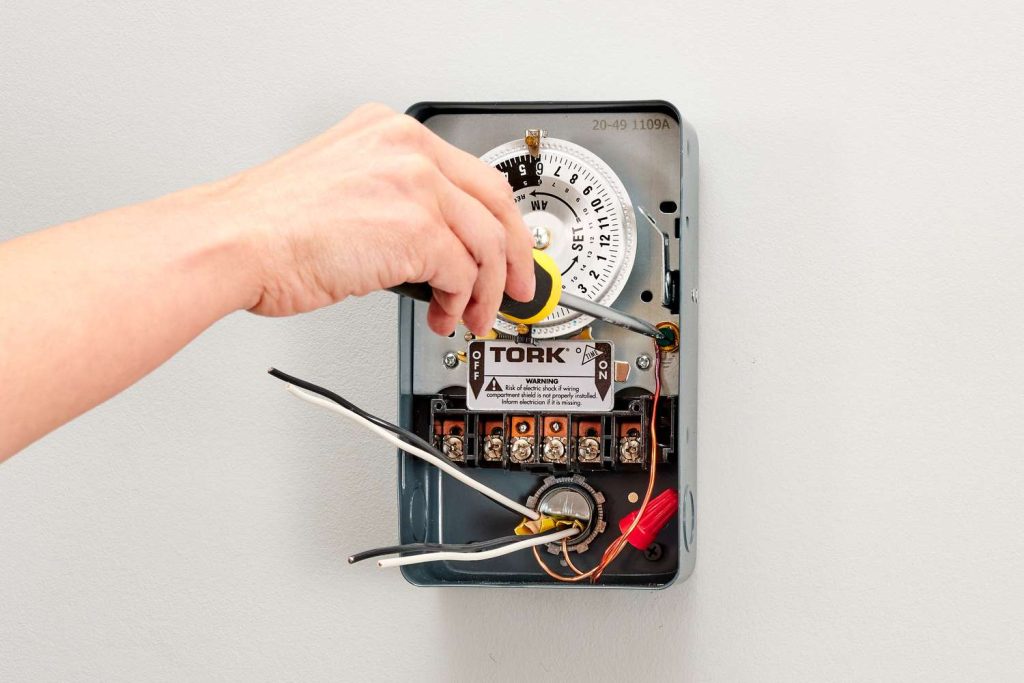
A mechanical timer switch, also referred to as an analog таймер— это устройство синхронизации, в котором используются физические компоненты, такие как пружины, шестерни и электродвигатели, для регулирования подачи питания на электрическое устройство.
Чтобы узнать больше об этом устройстве, ознакомьтесь с практической инструкцией по началу работы.
Как работает механический таймер?
Работая аналоговым образом, он использует часовой механизм, чтобы определить, когда включать и выключать питание.
Этот тип таймера настраивается вручную путем регулировки ручки для установки желаемого интервала времени для включения или выключения питания.
Хотя механические таймеры экономичны и просты в настройке, они могут быть больше и требовать большего обслуживания из-за использования движущихся частей.
Обычно используемые для управления освещением, бытовой техникой и другими электрическими устройствами, они предлагают экономичные средства автоматизации различных систем.
Несмотря на появление более сложных цифровых и электронных таймеров, механические таймеры остаются простым и недорогим вариантом контроля освещения и других устройств.
Типы механических таймеров
Mechanical timer switches can be categorized by several factors. Understanding these types helps you choose the right model for your specific application.
By Time Cycle
- 24-Hour Mechanical Timer: The dial completes one full rotation every 24 hours. Best suited for daily routines that repeat the same pattern every day, such as turning porch lights on at dusk and off at dawn. Each pin typically represents a 15-minute block, giving you up to 96 ON/OFF segments per day.
- 7-Day Mechanical Timer: The dial completes one rotation every 7 days, allowing different schedules for weekdays and weekends. Ideal for commercial settings where operating hours vary — for example, a shop sign that needs to stay on later on Fridays and Saturdays.
By Installation Method
- Plug-In Timer: Plugs directly into a standard wall outlet. The appliance then plugs into the timer. No wiring required — ideal for residential use with lamps, fans, aquarium equipment, and small pumps.
- DIN Rail Mounted Timer: Installed inside an electrical panel on a standard DIN rail. Requires a hardwired connection by a qualified electrician. Used in commercial and industrial settings for controlling lighting circuits, irrigation systems, HVAC equipment, and motor-driven machinery.
By Number of Channels
- Single-Channel Timer: Controls one electrical circuit. Sufficient for most residential applications.
- Multi-Channel Timer: Controls two or more independent circuits from a single unit, each with its own ON/OFF schedule. Useful in commercial buildings where multiple systems (e.g., interior lights, exterior signs, ventilation) need independent timing.
By Contact Capacity
- Mechanical timers are rated by the maximum current they can safely switch. Residential plug-in models typically handle 10A–16A, suitable for lighting and small appliances. Industrial DIN rail models — like the TOSUNlux THC-15A — support up to 30A, capable of controlling heavier loads such as pumps, motors, and heating elements.
- When selecting a mechanical timer switch, match the timer’s rated amperage to your load. Connecting a device that draws more current than the timer’s rating will cause overheating and potential failure.
Где используются механические таймеры
Механические таймеры — это универсальные устройства, используемые для различных целей. Вот их применение и преимущества:
- Управление освещением: Идеально подходит для автоматизации систем внутреннего и наружного освещения.
- Управление приборами: Полезно для управления такими приборами, как духовки и водяные насосы.
- Управление HVAC: Помогает эффективно регулировать системы отопления и охлаждения.
- Экономически эффективным: Предоставляет доступное решение для автоматизации домашних и промышленных систем.
- Удобный: Известны своей простотой и удобством использования, что делает их доступными для каждого.
- Прочный: Создан на века, обеспечивает надежность в различных условиях.
- Промышленное и бытовое использование: Подходит как для жилых, так и для промышленных помещений.
Несмотря на наличие цифровые таймерыМеханические таймеры по-прежнему остаются популярным выбором благодаря своей доступности и простоте эксплуатации.
Как использовать механические таймеры
Чтобы реализовать таймер или аналоговый переключатель, вам нужна существующая система промышленного или индивидуального масштаба.
Примеры персональных систем включают регулирование моторов аквариума, фильтров и освещения.
В то время как цифровые модели позволяют осуществлять точную настройку с точностью до секунды, механические аналоговые часы удобны для пользователя, указывая начальную и конечную точки с помощью насечек на круглой конструкции.
В механических переключателях могут наблюдаться отклонения + или – 5 минут.
Для цифровых моделей возможны еженедельные, ежедневные и почасовые планы с точными минутными настройками, обеспечивающие детальный контроль.
Выбор подходящего типа и модели таймера — цифрового или аналогового — зависит от цели и конкретных требований решаемой задачи.
Как настроить механический таймер
Чтобы настроить механический таймер, выполните следующие общие шаги:
- Подключите таймер к стене и прибор к таймеру.
- Отрегулируйте циферблат, чтобы установить текущее время.
- Press down the pins for the times you want the device to activate, and keep them pulled out for when you want the device to deactivate.
- Если возможно, установите таймер в режим «Вкл-Авто-Выкл».
- Переключите кнопку ручного переключения в положение «Таймер».
Эти действия могут незначительно отличаться в зависимости от конкретной модели механического таймера.
Важный: Всегда обращайтесь к инструкциям производителя для получения точных указаний.
Как починить механический таймер, который не работает
Чтобы решить проблемы, связанные с неисправностью механического таймера, рассмотрите следующие общие шаги по устранению неполадок, полученные на основе результатов поиска:
- Шаг 1. Проверьте настройки таймера: Убедитесь, что таймер установлен правильно, поскольку неправильные настройки могут привести к неожиданным неисправностям.
- Шаг 2. Проверьте проводку таймера: Обеспечьте правильную проводку и распределение питания, исправьте незакрепленные клеммы, которые могут нарушить электрический поток.
- Шаг 3. Проверьте наличие сломанных или застрявших компонентов.: Осмотрите таймер на наличие повреждений шестерен или пружин, вызванных такими факторами, как возраст, грязь или мусор. Смажьте заклинившие шестерни, при необходимости замените сломанные.
- Шаг 4. Проверка источника питания и предохранителей: Убедитесь в наличии достаточного напряжения и проверьте, не перегорел ли предохранитель, поскольку недостаточное напряжение или перегорание предохранителя могут повлиять на работу таймера.
- Шаг 5: Замена батареи: Если таймер работает от батареек, замените их, если дисплей нечеткий или таймер работает неправильно.
- Шаг 6. Проверьте выравнивание спускового механизма и шестерни.: Осмотрите толкатели и шестерни на предмет повреждений или смещения. Очистите шестерни и обеспечьте правильное выравнивание переключателей для точного времени включения/выключения.
Всегда обращайтесь к инструкциям конкретного производителя для получения подробных инструкций по устранению неполадок, поскольку процесс может различаться в зависимости от модели механического таймера.
Ключевой вывод
Аналоговые или механические таймеры — это устройства, которые управляют работой электрических машин или систем, включая и выключая их по заранее заданному графику.
Основная цель — энергосбережение, что делает таймеры практичным выбором.
Отключая энергоемкие устройства, когда они не нужны, вы не только экономите электроэнергию, но и повышаете удобство использования.
Такой продуманный подход к управлению работой устройств способствует как энергоэффективности, так и профессионализму системы.
Mechanical Timer Switch vs Digital Timer Switch
Mechanical Timer Switch vs Digital Timer Switch
Both mechanical (analog) and digital timer switches serve the same fundamental purpose — automating when electrical devices turn on and off. However, they differ significantly in how they achieve this. Here is a practical comparison to help you choose the right type.
| Особенность | Механический таймер | Digital Timer Switch |
| Timing Accuracy | ±5 minutes | ±1 second |
| Programming Method | Push physical pins on a dial | Button-based, LCD screen interface |
| Minimum Time Interval | 15 minutes (per pin) | 1 minute or 1 second |
| Number of Programs | Simple daily schedules, budget installations, and environments without reliable power | 8–20+ independent programs |
| Weekday/Weekend Scheduling | Only on 7-day models | Standard on most models |
| Power Outage Behavior | Schedule shifts by outage duration (no battery) | Battery backup retains schedule (typically 3V lithium) |
| Price Range | $5 – $20 (residential); $15 – $50 (industrial) | $15 – $60 (residential); $30 – $120 (industrial) |
| Продолжительность жизни | 5–10 years (moving parts wear over time) | 8–15 years (no moving parts) |
| Обслуживание | Periodic cleaning and lubrication of gears | Minimal; battery replacement every 3–5 years |
| Шум | Faint ticking/clicking from motor and gears | Silent |
| Ease of Setup | Very easy — push pins, no manual needed | Moderate — requires reading the manual to program |
| Лучшее для | Simple daily schedules, budget installations, environments without reliable power | Complex multi-program schedules, second-level precision, setups with frequent power outages |
When to Choose Mechanical: If your application follows a simple, repeating daily pattern (e.g., lights on at 6 PM, off at 11 PM every day) and you want the lowest upfront cost with zero programming complexity, a mechanical timer is the practical choice.
When to Choose Digital: If you need different schedules for different days of the week, second-level precision, or the schedule must survive power outages without resetting, a digital timer is worth the extra cost.
TOSUNlux offers both types. The THC-15A digital programmable timer supports 24-hour / 7-day scheduling with a contact capacity of up to 30A, making it suitable for both light and heavy-duty applications.
Рекомендация продукта

TOSUNlux THC-15A Programmable Timer Switch
Based on the requirements discussed throughout this guide, the TOSUNlux THC-15A is a versatile option that bridges the gap between simple mechanical timers and fully programmable digital controllers.
Key Specifications:
| Спецификация | Detail |
| Timer Type | Digital programmable |
| Time Cycle | 24-hour and 7-day scheduling |
| Контактная емкость | 16A – 30A |
| Minimum Program Interval | 1 minute |
| Number of ON/OFF Programs | Up to 17 per day |
| Монтаж | DIN rail (35mm standard) |
| Power Outage Protection | Built-in lithium battery backup |
| Отображать | LCD with backlight |
Why It Fits Common Use Cases
- For lighting control: Supports separate weekday and weekend schedules, eliminating the manual adjustment needed with basic mechanical timers.
- For industrial motor control: The 30A contact capacity handles pumps, fans, and motors without requiring an external contactor for loads under 30A.
- For environments with frequent power outages: The battery backup retains your programmed schedule, so you do not need to reset the timer after every blackout.
TOSUNlux also manufactures circuit breakers, contactors, isolating switches, and distribution boards. Visit tosunlux.eu to request a quotation or browse the full product catalog.
Часто задаваемые вопросы
Q1: How long does a mechanical timer switch last?
A well-maintained mechanical timer switch typically lasts 5 to 10 years. Lifespan depends on usage frequency, environmental conditions, and regular maintenance of moving parts like gears and springs. Timers used in dusty or humid environments may require more frequent cleaning to reach their full lifespan.
Q2: Can I use a mechanical timer switch outdoors?
Yes, but you need an outdoor-rated model with an appropriate IP rating — typically IP44 or higher — to protect against moisture and dust. Always install outdoor timers inside a weatherproof enclosure, and avoid direct exposure to rain or sprinkler spray.
Q3: What is the difference between a mechanical and a digital timer switch?
Mechanical timer switches use physical gears and springs with ±5-minute accuracy, while digital timers use electronic circuits for precision down to the second. Mechanical timers are more affordable and easier to set up, while digital timers offer more programming flexibility and battery-backed memory that survives power outages.
Q4: Why is my mechanical timer switch not turning off?
Common causes include stuck or misaligned pins (trippers), worn-out gears, or a faulty switch contact. First check that the pins for OFF periods are fully in the raised position. Then inspect the mechanism for debris or gear damage. If the timer motor is running but the switch does not disengage, the internal contact may be welded shut from switching high-current loads — in this case, replace the timer.
Q5: How do I reset a mechanical timer switch?
Pull all pins (trippers) to the OFF (raised) position, then rotate the dial clockwise until the arrow aligns with the correct current time. After that, push down only the pins for your desired ON periods. Finally, set the mode switch to “Auto” or “Timer” to activate the schedule.
Q6: Can a mechanical timer switch save electricity?
Yes. By automatically turning off devices when they are not needed — such as lights, pumps, and heaters — a mechanical timer can reduce energy waste by 10% to 30%, depending on the application and how many hours per day the device was previously running unnecessarily.
Q7: What is the maximum load for a mechanical timer switch?
Most residential plug-in mechanical timers handle 10A to 16A (approximately 1,150W to 1,840W at 115V, or 2,200W to 3,520W at 220V). Industrial DIN rail models like the TOSUNlux THC-15A support up to 30A. Always check the timer’s rated current on its label before connecting any appliance, and never exceed the stated capacity.
Тел: +86-577-88671000
Электронная почта: ceo@tosun.com
Skype: tosunelectric
Wechat: +86-139 6881 9286
WhatsApp: +86-139 0587 7291
Адрес: Комната № 1001 Wenzhou Fortune Center, Station Road, Вэньчжоу, Китай
ЗАПРОС ЦИТАТЫ
Напишите нам в WhatsApp