 : +86-139 0587 7291
 ภาษาอังกฤษ
 ภาษาสเปน
 รัสเซีย
 ภาษาฝรั่งเศส
 อาหรับ
 ภาษาโปรตุเกสของบราซิล
 อังการา
 ตุรกี
ตุรกี โปแลนด์
 เนเธอร์แลนด์
 อิตาลี
 ภาษาอินโดนีเซีย
 ฮินดี
ฮินดี อัลดู
อัลดู อัมเบรลล่า
 เชสเชียร์
 ภาษาไทย
 มงโกล
มงโกล วาร์ซี
 ชคิป
ชคิป เอลลิก้า

สวิตช์ตั้งเวลาแบบกลไก: ประเภท วิธีใช้งาน และอื่นๆ
Table of Contents
สลับ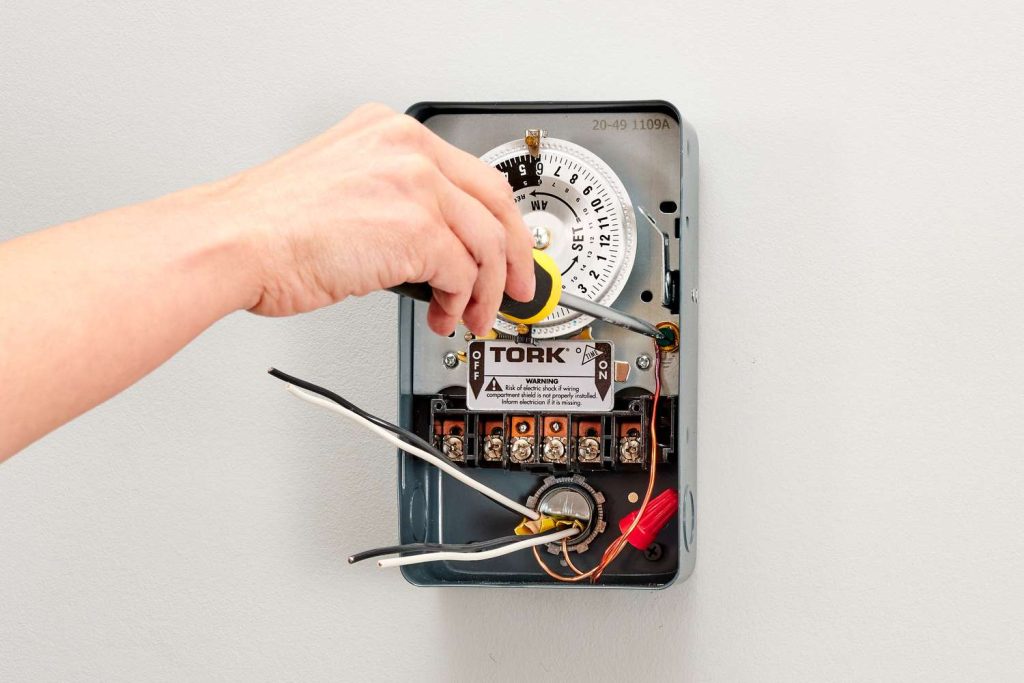
A mechanical timer switch, also referred to as an analog สวิตซ์ตั้งเวลาเป็นอุปกรณ์จับเวลาที่ใช้ส่วนประกอบทางกายภาพ เช่น สปริง เฟือง และมอเตอร์ไฟฟ้า เพื่อควบคุมแหล่งจ่ายไฟให้กับอุปกรณ์ไฟฟ้า
หากต้องการเรียนรู้เพิ่มเติมเกี่ยวกับอุปกรณ์นี้ โปรดดูคำแนะนำปฏิบัติในการเริ่มต้น
สวิตช์ตั้งเวลาทางกลทำงานอย่างไร?
ทำงานแบบอะนาล็อก โดยใช้กลไกนาฬิกาเพื่อกำหนดเวลาเปิดและปิดเครื่อง
สวิตช์ตั้งเวลาประเภทนี้จะกำหนดค่าด้วยตนเองโดยการปรับปุ่มเพื่อตั้งช่วงเวลาที่ต้องการในการเปิดหรือปิดเครื่อง
แม้ว่าสวิตช์ตั้งเวลาแบบเครื่องกลจะคุ้มต้นทุนและกำหนดค่าได้ง่าย แต่ก็อาจมีขนาดใหญ่และต้องบำรุงรักษามากกว่าเนื่องจากต้องใช้ชิ้นส่วนที่เคลื่อนไหว
มักใช้ในการจัดการแสงสว่าง เครื่องใช้ไฟฟ้า และอุปกรณ์ไฟฟ้าอื่นๆ ซึ่งเป็นวิธีที่ประหยัดในการทำงานอัตโนมัติให้กับระบบต่างๆ
แม้ว่าตัวตั้งเวลาแบบดิจิทัลและอิเล็กทรอนิกส์จะมีความซับซ้อนมากขึ้น แต่สวิตช์ตั้งเวลาแบบเครื่องกลยังคงเป็นตัวเลือกที่เรียบง่ายและประหยัดงบประมาณในการดูแลไฟและอุปกรณ์อื่นๆ
ประเภทของตัวจับเวลาเชิงกล
Mechanical timer switches can be categorized by several factors. Understanding these types helps you choose the right model for your specific application.
By Time Cycle
- 24-Hour Mechanical Timer: The dial completes one full rotation every 24 hours. Best suited for daily routines that repeat the same pattern every day, such as turning porch lights on at dusk and off at dawn. Each pin typically represents a 15-minute block, giving you up to 96 ON/OFF segments per day.
- 7-Day Mechanical Timer: The dial completes one rotation every 7 days, allowing different schedules for weekdays and weekends. Ideal for commercial settings where operating hours vary — for example, a shop sign that needs to stay on later on Fridays and Saturdays.
By Installation Method
- Plug-In Timer: Plugs directly into a standard wall outlet. The appliance then plugs into the timer. No wiring required — ideal for residential use with lamps, fans, aquarium equipment, and small pumps.
- DIN Rail Mounted Timer: Installed inside an electrical panel on a standard DIN rail. Requires a hardwired connection by a qualified electrician. Used in commercial and industrial settings for controlling lighting circuits, irrigation systems, HVAC equipment, and motor-driven machinery.
By Number of Channels
- Single-Channel Timer: Controls one electrical circuit. Sufficient for most residential applications.
- Multi-Channel Timer: Controls two or more independent circuits from a single unit, each with its own ON/OFF schedule. Useful in commercial buildings where multiple systems (e.g., interior lights, exterior signs, ventilation) need independent timing.
By Contact Capacity
- Mechanical timers are rated by the maximum current they can safely switch. Residential plug-in models typically handle 10A–16A, suitable for lighting and small appliances. Industrial DIN rail models — like the TOSUNlux THC-15A — support up to 30A, capable of controlling heavier loads such as pumps, motors, and heating elements.
- When selecting a mechanical timer switch, match the timer’s rated amperage to your load. Connecting a device that draws more current than the timer’s rating will cause overheating and potential failure.
สวิตช์ตั้งเวลาแบบกลไกถูกนำมาใช้ที่ไหน
สวิตช์ตั้งเวลาแบบกลไกเป็นอุปกรณ์อเนกประสงค์ที่ใช้สำหรับวัตถุประสงค์ต่างๆ ต่อไปนี้คือรายละเอียดของการใช้งานและประโยชน์:
- การควบคุมแสงสว่าง:เหมาะสำหรับระบบอัตโนมัติของระบบไฟภายในและภายนอกอาคาร
- การจัดการเครื่องใช้ไฟฟ้า:มีประโยชน์ในการจัดการเครื่องใช้ไฟฟ้า เช่น เตาอบ และปั๊มน้ำ
- ระบบควบคุม HVAC:ช่วยควบคุมระบบทำความร้อนและทำความเย็นได้อย่างมีประสิทธิภาพ
- คุ้มค่าคุ้มราคา:มอบโซลูชันที่คุ้มราคาสำหรับระบบอัตโนมัติในบ้านและอุตสาหกรรม
- เป็นมิตรกับผู้ใช้:ขึ้นชื่อในเรื่องความเรียบง่ายและใช้งานง่าย ทำให้ทุกคนสามารถเข้าถึงได้
- ทนทาน:สร้างมาเพื่อให้คงทน ให้ความน่าเชื่อถือในการใช้งานต่างๆ
- การใช้ในอุตสาหกรรมและในบ้าน: เหมาะสำหรับการใช้งานทั้งที่อยู่อาศัยและอุตสาหกรรม
แม้จะมีการปรากฏของ สวิตซ์ตั้งเวลาแบบดิจิตอลสวิตช์ตั้งเวลาแบบเครื่องกลยังคงเป็นตัวเลือกยอดนิยมเนื่องจากราคาไม่แพงและใช้งานง่าย
วิธีใช้สวิตช์ตั้งเวลาแบบกลไก
หากต้องการใช้ตัวตั้งเวลาหรือสวิตช์อนาล็อก คุณจะต้องมีระบบที่มีอยู่แล้ว ไม่ว่าจะในระดับอุตสาหกรรมหรือระดับส่วนบุคคล
ตัวอย่างของระบบส่วนบุคคล เช่น การควบคุมมอเตอร์ตู้ปลา ตัวกรอง และไฟ
แม้ว่ารุ่นดิจิทัลจะปรับแต่งได้แม่นยำถึงระดับวินาที แต่นาฬิกาบอกเวลาแบบอนาล็อกเชิงกลนั้นใช้งานง่าย โดยระบุจุดเริ่มต้นและจุดสิ้นสุดด้วยรอยบากบนโครงสร้างวงกลม
ความคลาดเคลื่อน + หรือ – 5 นาทีอาจเกิดขึ้นได้ในสวิตช์เชิงกล
สำหรับโมเดลดิจิทัล แผนรายสัปดาห์ รายวัน และรายชั่วโมงพร้อมการตั้งค่านาทีที่แม่นยำนั้นเป็นไปได้ ช่วยให้ควบคุมได้อย่างละเอียด
การเลือกประเภทและรุ่นตัวจับเวลาที่เหมาะสม—ดิจิทัลหรือแอนะล็อก—ขึ้นอยู่กับวัตถุประสงค์และข้อกำหนดเฉพาะของงานที่ทำ
วิธีตั้งสวิตช์จับเวลาเชิงกล
หากต้องการกำหนดค่าสวิตช์ตั้งเวลาทางกล ให้ทำตามขั้นตอนทั่วไปเหล่านี้:
- เชื่อมต่อตัวตั้งเวลากับผนังและเครื่องใช้ไฟฟ้ากับตัวตั้งเวลา
- ปรับหน้าปัดเพื่อตั้งเวลาปัจจุบัน
- Press down the pins for the times you want the device to activate, and keep them pulled out for when you want the device to deactivate.
- หากมี ให้ตั้งเวลาเป็นโหมด “เปิด-ปิดอัตโนมัติ”
- สลับปุ่มสวิตช์แบบแมนนวลไปที่การตั้งค่า “ตั้งเวลา”
ขั้นตอนเหล่านี้อาจแตกต่างกันเล็กน้อยขึ้นอยู่กับรุ่นเฉพาะของสวิตช์ตั้งเวลาทางกล
สำคัญ: ควรศึกษาคำแนะนำของผู้ผลิตเสมอเพื่อคำแนะนำที่ชัดเจน
วิธีแก้ไขสวิตช์ตั้งเวลาแบบกลไกที่ไม่ทำงาน
เพื่อแก้ไขปัญหาสวิตช์ตั้งเวลาทางกลที่ทำงานผิดปกติ โปรดพิจารณาขั้นตอนการแก้ไขปัญหาทั่วไปต่อไปนี้ซึ่งได้มาจากผลการค้นหา:
- ขั้นตอนที่ 1: ตรวจสอบการตั้งค่าตัวจับเวลา:ยืนยันว่าตั้งเวลาถูกต้องแล้ว เนื่องจากการตั้งค่าที่ไม่ถูกต้องอาจทำให้เกิดความผิดปกติที่ไม่คาดคิดได้
- ขั้นตอนที่ 2: ตรวจสอบการเดินสายไทม์เมอร์:ตรวจสอบให้แน่ใจว่าสายไฟและการจ่ายไฟฟ้าถูกต้อง โดยแก้ไขขั้วที่หลวมซึ่งอาจขัดขวางการไหลของไฟฟ้า
- ขั้นตอนที่ 3: ตรวจหาส่วนประกอบที่แตกหรือติดขัด:ตรวจสอบตัวจับเวลาว่ามีเฟืองหรือสปริงชำรุดหรือไม่ ซึ่งเกิดจากปัจจัยต่างๆ เช่น อายุ สิ่งสกปรก หรือเศษวัสดุ หล่อลื่นเฟืองที่ติดขัด และเปลี่ยนเฟืองที่ชำรุดหากจำเป็น
- ขั้นตอนที่ 4: การตรวจสอบแหล่งจ่ายไฟและฟิวส์: ยืนยันว่ามีแหล่งจ่ายไฟเพียงพอและตรวจสอบฟิวส์ขาด เนื่องจากแรงดันไฟฟ้าไม่เพียงพอหรือฟิวส์ขาดอาจส่งผลกระทบต่อการทำงานของตัวจับเวลาได้
- ขั้นตอนที่ 5: การเปลี่ยนแบตเตอรี่:หากตัวจับเวลาใช้แบตเตอรี่ ให้เปลี่ยนแบตเตอรี่หากหน้าจอไม่ชัดเจนหรือหากตัวจับเวลาทำงานไม่ถูกต้อง
- ขั้นตอนที่ 6: ตรวจสอบทริปเปอร์และการจัดตำแหน่งเกียร์:ตรวจสอบตัวกระตุ้นและเกียร์ว่ามีความเสียหายหรือการจัดตำแหน่งที่ไม่ถูกต้องหรือไม่ ทำความสะอาดเกียร์และตรวจสอบให้แน่ใจว่าตัวกระตุ้นจัดตำแหน่งอย่างถูกต้องเพื่อกำหนดเวลาเปิด/ปิดที่แม่นยำ
ควรปรึกษาคำแนะนำของผู้ผลิตเฉพาะเสมอเพื่อทราบขั้นตอนการแก้ไขปัญหาโดยละเอียด เนื่องจากกระบวนการอาจแตกต่างกันไป ขึ้นอยู่กับรุ่นของสวิตช์ตั้งเวลาทางกล
สิ่งสำคัญที่ต้องจดจำ
ตัวจับเวลาแบบอนาล็อกหรือแบบเครื่องกลเป็นอุปกรณ์ที่จัดการการทำงานของเครื่องจักรหรือระบบไฟฟ้า โดยการเปิดและปิดตามตารางเวลาที่กำหนดไว้ล่วงหน้า
เป้าหมายหลักคือการอนุรักษ์พลังงาน ซึ่งทำให้ตัวตั้งเวลาเป็นตัวเลือกที่เหมาะสม
การหยุดใช้อุปกรณ์ที่กินพลังงานเมื่อไม่จำเป็น ไม่เพียงแต่จะประหยัดไฟ แต่ยังเพิ่มความสะดวกสบายให้กับผู้ใช้อีกด้วย
แนวทางที่จงใจในการควบคุมการทำงานของอุปกรณ์นี้ส่งผลดีต่อทั้งประสิทธิภาพด้านพลังงานและความเป็นมืออาชีพของระบบ
Mechanical Timer Switch vs Digital Timer Switch
Mechanical Timer Switch vs Digital Timer Switch
Both mechanical (analog) and digital timer switches serve the same fundamental purpose — automating when electrical devices turn on and off. However, they differ significantly in how they achieve this. Here is a practical comparison to help you choose the right type.
| คุณสมบัติ | สวิตซ์ตั้งเวลาแบบกลไก | Digital Timer Switch |
| Timing Accuracy | ±5 minutes | ±1 second |
| Programming Method | Push physical pins on a dial | Button-based, LCD screen interface |
| Minimum Time Interval | 15 minutes (per pin) | 1 minute or 1 second |
| Number of Programs | Simple daily schedules, budget installations, and environments without reliable power | 8–20+ independent programs |
| Weekday/Weekend Scheduling | Only on 7-day models | Standard on most models |
| Power Outage Behavior | Schedule shifts by outage duration (no battery) | Battery backup retains schedule (typically 3V lithium) |
| Price Range | $5 – $20 (residential); $15 – $50 (industrial) | $15 – $60 (residential); $30 – $120 (industrial) |
| อายุการใช้งาน | 5–10 years (moving parts wear over time) | 8–15 years (no moving parts) |
| การซ่อมบำรุง | Periodic cleaning and lubrication of gears | Minimal; battery replacement every 3–5 years |
| เสียงรบกวน | Faint ticking/clicking from motor and gears | Silent |
| Ease of Setup | Very easy — push pins, no manual needed | Moderate — requires reading the manual to program |
| ดีที่สุดสำหรับ | Simple daily schedules, budget installations, environments without reliable power | Complex multi-program schedules, second-level precision, setups with frequent power outages |
When to Choose Mechanical: If your application follows a simple, repeating daily pattern (e.g., lights on at 6 PM, off at 11 PM every day) and you want the lowest upfront cost with zero programming complexity, a mechanical timer is the practical choice.
When to Choose Digital: If you need different schedules for different days of the week, second-level precision, or the schedule must survive power outages without resetting, a digital timer is worth the extra cost.
TOSUNlux offers both types. The THC-15A digital programmable timer supports 24-hour / 7-day scheduling with a contact capacity of up to 30A, making it suitable for both light and heavy-duty applications.
คำแนะนำสินค้า

TOSUNlux THC-15A Programmable Timer Switch
Based on the requirements discussed throughout this guide, the TOSUNlux THC-15A is a versatile option that bridges the gap between simple mechanical timers and fully programmable digital controllers.
Key Specifications:
| ข้อมูลจำเพาะ | Detail |
| Timer Type | Digital programmable |
| Time Cycle | 24-hour and 7-day scheduling |
| ความสามารถในการติดต่อ | 16A – 30A |
| Minimum Program Interval | 1 minute |
| Number of ON/OFF Programs | Up to 17 per day |
| การติดตั้ง | DIN rail (35mm standard) |
| Power Outage Protection | Built-in lithium battery backup |
| แสดง | LCD with backlight |
Why It Fits Common Use Cases
- For lighting control: Supports separate weekday and weekend schedules, eliminating the manual adjustment needed with basic mechanical timers.
- For industrial motor control: The 30A contact capacity handles pumps, fans, and motors without requiring an external contactor for loads under 30A.
- For environments with frequent power outages: The battery backup retains your programmed schedule, so you do not need to reset the timer after every blackout.
TOSUNlux also manufactures circuit breakers, contactors, isolating switches, and distribution boards. Visit tosunlux.eu to request a quotation or browse the full product catalog.
คำถามที่พบบ่อย
Q1: How long does a mechanical timer switch last?
A well-maintained mechanical timer switch typically lasts 5 to 10 years. Lifespan depends on usage frequency, environmental conditions, and regular maintenance of moving parts like gears and springs. Timers used in dusty or humid environments may require more frequent cleaning to reach their full lifespan.
Q2: Can I use a mechanical timer switch outdoors?
Yes, but you need an outdoor-rated model with an appropriate IP rating — typically IP44 or higher — to protect against moisture and dust. Always install outdoor timers inside a weatherproof enclosure, and avoid direct exposure to rain or sprinkler spray.
Q3: What is the difference between a mechanical and a digital timer switch?
Mechanical timer switches use physical gears and springs with ±5-minute accuracy, while digital timers use electronic circuits for precision down to the second. Mechanical timers are more affordable and easier to set up, while digital timers offer more programming flexibility and battery-backed memory that survives power outages.
Q4: Why is my mechanical timer switch not turning off?
Common causes include stuck or misaligned pins (trippers), worn-out gears, or a faulty switch contact. First check that the pins for OFF periods are fully in the raised position. Then inspect the mechanism for debris or gear damage. If the timer motor is running but the switch does not disengage, the internal contact may be welded shut from switching high-current loads — in this case, replace the timer.
Q5: How do I reset a mechanical timer switch?
Pull all pins (trippers) to the OFF (raised) position, then rotate the dial clockwise until the arrow aligns with the correct current time. After that, push down only the pins for your desired ON periods. Finally, set the mode switch to “Auto” or “Timer” to activate the schedule.
Q6: Can a mechanical timer switch save electricity?
Yes. By automatically turning off devices when they are not needed — such as lights, pumps, and heaters — a mechanical timer can reduce energy waste by 10% to 30%, depending on the application and how many hours per day the device was previously running unnecessarily.
Q7: What is the maximum load for a mechanical timer switch?
Most residential plug-in mechanical timers handle 10A to 16A (approximately 1,150W to 1,840W at 115V, or 2,200W to 3,520W at 220V). Industrial DIN rail models like the TOSUNlux THC-15A support up to 30A. Always check the timer’s rated current on its label before connecting any appliance, and never exceed the stated capacity.
โทรศัพท์: +86-577-88671000
อีเมล: ceo@tosun.com
Skype: tosunelectric
วีแชท: +86-139 6881 9286
วอตส์แอป: +86-139 0587 7291
ที่อยู่: ห้องเลขที่ 1001 Wenzhou Fortune Center,Station Road, Wenzhou, China
ขอใบเสนอราคา
ติดต่อเราผ่าน WhatsApp