 : +86-139 0587 7291
 anglisht
 Español
 Русский
 Français
 Arabisht
 Português në Brazil
 Ukrainas
 Türkçe
 Polski
 Hollanda
 Italiano
 Bahasa Indonesia
 हिन्दी
 اردو
اردو አማርኛ
አማርኛ shqip
shqip ไทย
ไทย mongolisht
 gjuha shqipe
 Shqip
Shqip English

Ndërprerësi i kohëmatësit mekanik: Llojet, mënyrat e përdorimit dhe më shumë
Table of Contents
Ndrysho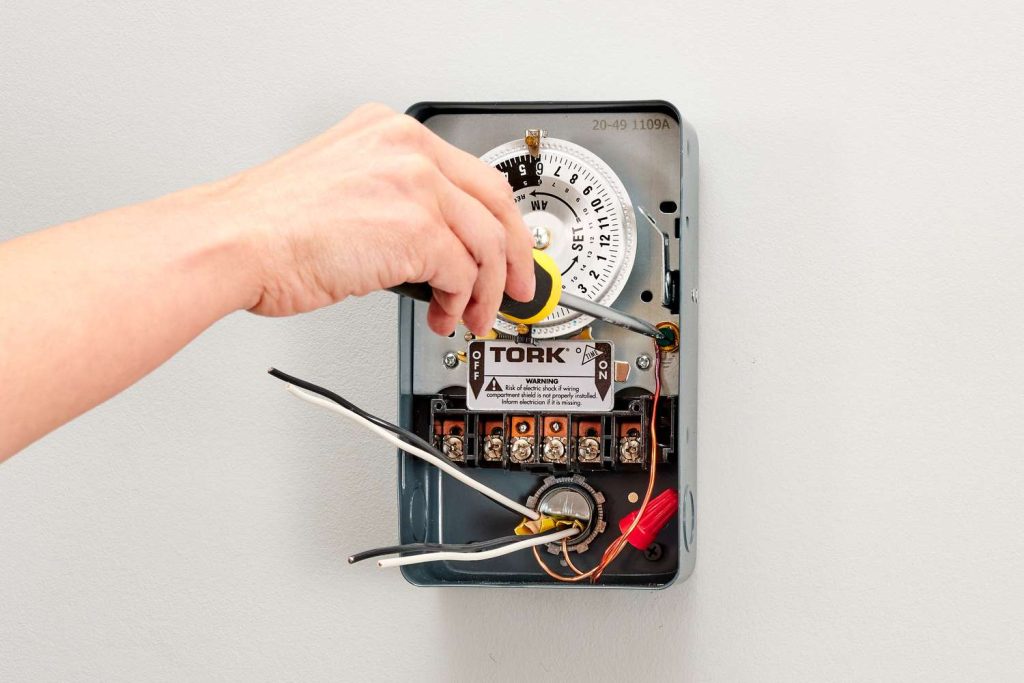
A mechanical timer switch, also referred to as an analog ndërprerësi i kohëmatësit, është një pajisje kohore që përdor komponentë fizikë si susta, ingranazhe dhe motorë elektrikë për të rregulluar furnizimin me energji elektrike në një pajisje elektrike.
Për të mësuar më shumë rreth kësaj pajisjeje, këtu është një udhëzues praktik për të filluar.
Si funksionon një ndërprerës mekanik i kohëmatësit?
Duke funksionuar në mënyrë analoge, ai përdor mekanizmat e orës për të përcaktuar se kur duhet ndezur dhe fikur rryma.
Ky lloj ndërprerësi i kohëmatësit konfigurohet manualisht duke rregulluar një çelës për të vendosur intervalin e dëshiruar kohor për ndezjen ose fikjen.
Megjithëse çelsat mekanike të kohëmatësit janë me kosto efektive dhe të thjeshtë për t'u konfiguruar, ata mund të jenë më të mëdhenj dhe kërkojnë më shumë mirëmbajtje për shkak të përdorimit të pjesëve lëvizëse.
Zakonisht përdoren për menaxhimin e ndriçimit, pajisjeve dhe pajisjeve të tjera elektrike, ato ofrojnë një mjet ekonomik për automatizimin e sistemeve të ndryshme.
Pavarësisht shfaqjes së kohëmatësve më të ndërlikuar dixhitalë dhe elektronikë, çelsat mekanike të kohëmatësit mbeten një opsion i thjeshtë dhe buxhetor për mbikëqyrjen e dritave dhe pajisjeve të tjera.
Llojet e kohëmatësve mekanikë
Mechanical timer switches can be categorized by several factors. Understanding these types helps you choose the right model for your specific application.
By Time Cycle
- 24-Hour Mechanical Timer: The dial completes one full rotation every 24 hours. Best suited for daily routines that repeat the same pattern every day, such as turning porch lights on at dusk and off at dawn. Each pin typically represents a 15-minute block, giving you up to 96 ON/OFF segments per day.
- 7-Day Mechanical Timer: The dial completes one rotation every 7 days, allowing different schedules for weekdays and weekends. Ideal for commercial settings where operating hours vary — for example, a shop sign that needs to stay on later on Fridays and Saturdays.
By Installation Method
- Plug-In Timer: Plugs directly into a standard wall outlet. The appliance then plugs into the timer. No wiring required — ideal for residential use with lamps, fans, aquarium equipment, and small pumps.
- DIN Rail Mounted Timer: Installed inside an electrical panel on a standard DIN rail. Requires a hardwired connection by a qualified electrician. Used in commercial and industrial settings for controlling lighting circuits, irrigation systems, HVAC equipment, and motor-driven machinery.
By Number of Channels
- Single-Channel Timer: Controls one electrical circuit. Sufficient for most residential applications.
- Multi-Channel Timer: Controls two or more independent circuits from a single unit, each with its own ON/OFF schedule. Useful in commercial buildings where multiple systems (e.g., interior lights, exterior signs, ventilation) need independent timing.
By Contact Capacity
- Mechanical timers are rated by the maximum current they can safely switch. Residential plug-in models typically handle 10A–16A, suitable for lighting and small appliances. Industrial DIN rail models — like the TOSUNlux THC-15A — support up to 30A, capable of controlling heavier loads such as pumps, motors, and heating elements.
- When selecting a mechanical timer switch, match the timer’s rated amperage to your load. Connecting a device that draws more current than the timer’s rating will cause overheating and potential failure.
Ku përdoren çelsat mekanike të kohëmatësit
Çelësat mekanike të kohëmatësit janë pajisje të gjithanshme që përdoren për qëllime të ndryshme. Këtu është një përmbledhje e përdorimeve dhe përfitimeve të tyre:
- Kontrolli i Ndriçimit: Ideale për automatizimin e sistemeve të ndriçimit të brendshëm dhe të jashtëm.
- Menaxhimi i Pajisjeve: I dobishëm për menaxhimin e pajisjeve si furrat dhe pompat e ujit.
- Kontrollet HVAC: Ndihmon në rregullimin efikas të sistemeve të ngrohjes dhe ftohjes.
- Me kosto efektive: Ofron një zgjidhje të përballueshme për automatizimin e sistemeve shtëpiake dhe industriale.
- Përdorues miqësor: Të njohur për thjeshtësinë dhe lehtësinë e përdorimit, duke i bërë ato të aksesueshme për të gjithë.
- E qëndrueshme: Ndërtuar për të qëndruar, duke ofruar besueshmëri në cilësime të ndryshme.
- Përdorimi industrial dhe shtëpiak: I përshtatshëm si për përdorime rezidenciale dhe industriale.
Pavarësisht pranisë së çelsat e kohëmatësit dixhital, çelsat mekanike të kohëmatësit vazhdojnë të jenë një zgjedhje popullore për shkak të përballueshmërisë së tyre dhe funksionimit të drejtpërdrejtë.
Si të përdorni çelsat mekanike të kohëmatësit
Për të zbatuar një kohëmatës ose ndërprerës analog, ju nevojitet një sistem ekzistues, qoftë në shkallë industriale apo personale.
Shembuj të sistemeve personale përfshijnë rregullimin e motorëve të akuariumit, filtrave dhe dritave.
Ndërsa modelet dixhitale lejojnë rregullime të sakta deri në të dytin, orët mekanike analoge të kohës janë të përshtatshme për përdoruesit, duke treguar pikën e fillimit dhe të përfundimit me pika në një strukturë rrethore.
Në çelësat mekanikë mund të ndodhin devijime prej + ose – 5 minutash.
Për modelet dixhitale, janë të mundshme plane javore, ditore dhe orare me cilësime të sakta minutash, duke ofruar kontroll të detajuar.
Zgjedhja e llojit dhe modelit të duhur të kohëmatësit - dixhital ose analog - varet nga qëllimi dhe kërkesat specifike të detyrës në fjalë.
Si të vendosni një ndërprerës mekanik të kohëmatësit
Për të konfiguruar një ndërprerës mekanik të kohëmatësit, ndiqni këto hapa të përgjithshëm:
- Lidheni kohëmatësin në mur dhe pajisjen me kohëmatësin.
- Rregulloni numrin për të vendosur orën aktuale.
- Press down the pins for the times you want the device to activate, and keep them pulled out for when you want the device to deactivate.
- Nëse është i disponueshëm, vendoseni kohëmatësin në modalitetin "On-Auto-Off".
- Kaloni butonin e ndërrimit manual në cilësimin "Timer".
Këto hapa mund të ndryshojnë pak bazuar në modelin specifik të ndërprerësit mekanik të kohëmatësit.
E rëndësishme: Gjithmonë konsultohuni me udhëzimet e prodhuesit për udhëzime të sakta.
Si të rregulloni një ndërprerës mekanik të kohëmatësit që nuk funksionon
Për të adresuar problemet me një ndërprerës mekanik të mosfunksionimit të kohëmatësit, merrni parasysh këto hapa të përgjithshëm të zgjidhjes së problemeve që rrjedhin nga rezultatet e kërkimit:
- Hapi 1: Verifikoni cilësimet e kohëmatësit: Konfirmoni që kohëmatësi është vendosur saktë, pasi cilësimet e pasakta mund të çojnë në keqfunksionime të papritura.
- Hapi 2: Kontrolloni instalimet elektrike të kohëmatësit: Siguroni instalime elektrike dhe shpërndarjen e duhur të energjisë, duke adresuar terminalet e lirshme që mund të prishin rrjedhën elektrike.
- Hapi 3: Inspektoni për komponentë të thyer ose të mbërthyer: Ekzaminoni kohëmatësin për ingranazhe ose susta të dëmtuara, të shkaktuara nga faktorë si mosha, papastërtia ose mbeturinat. Lubrifikoni ingranazhet e mbërthyera dhe zëvendësoni ato të thyera nëse është e nevojshme.
- Hapi 4: Verifikimi i furnizimit me energji dhe siguresave: Konfirmoni furnizimin e duhur me energji elektrike dhe kontrolloni nëse ka siguresë të ndezur, pasi tensioni i pamjaftueshëm ose siguresa e ndezur mund të ndikojë në funksionimin e kohëmatësit.
- Hapi 5: Ndërrimi i baterisë: Nëse kohëmatësi mbështetet në bateri, ndërrojini ato nëse ekrani është i paqartë ose nëse kohëmatësi nuk funksionon siç duhet.
- Hapi 6: Ekzaminoni shtrirjen e udhëzuesit dhe marsheve: Inspektoni fiksuesit dhe ingranazhet për dëmtim ose mosdrejtim. Pastroni ingranazhet dhe siguroni shtrirjen e duhur të fiksuesve për kohën e saktë të ndezjes/fikjes.
Gjithmonë konsultohuni me udhëzimet e prodhuesit specifik për hapat e plotë të zgjidhjes së problemeve, pasi procesi mund të ndryshojë në varësi të modelit të ndërprerësit mekanik të kohëmatësit.
Key Takeaway
Kohëmatësit analogë ose mekanikë janë pajisje që menaxhojnë funksionimin e makinave ose sistemeve elektrike, duke i ndezur dhe fikur ato bazuar në një orar të paracaktuar.
Qëllimi kryesor është ruajtja e energjisë, duke i bërë kohëmatësit një zgjedhje praktike.
Duke ndaluar pajisjet që konsumojnë energji kur ato nuk janë të nevojshme, ju jo vetëm që kurseni energjinë elektrike, por gjithashtu përmirësoni komoditetin e përdoruesit.
Kjo qasje e qëllimshme për të kontrolluar funksionimin e pajisjes kontribuon në efikasitetin e energjisë dhe profesionalizmin e sistemit.
Mechanical Timer Switch vs Digital Timer Switch
Mechanical Timer Switch vs Digital Timer Switch
Both mechanical (analog) and digital timer switches serve the same fundamental purpose — automating when electrical devices turn on and off. However, they differ significantly in how they achieve this. Here is a practical comparison to help you choose the right type.
| Veçori | Ndërprerësi i kohëmatësit mekanik | Digital Timer Switch |
| Timing Accuracy | ±5 minutes | ±1 second |
| Programming Method | Push physical pins on a dial | Button-based, LCD screen interface |
| Minimum Time Interval | 15 minutes (per pin) | 1 minute or 1 second |
| Number of Programs | Simple daily schedules, budget installations, and environments without reliable power | 8–20+ independent programs |
| Weekday/Weekend Scheduling | Only on 7-day models | Standard on most models |
| Power Outage Behavior | Schedule shifts by outage duration (no battery) | Battery backup retains schedule (typically 3V lithium) |
| Price Range | $5 – $20 (residential); $15 – $50 (industrial) | $15 – $60 (residential); $30 – $120 (industrial) |
| Jetëgjatësia | 5–10 years (moving parts wear over time) | 8–15 years (no moving parts) |
| Mirëmbajtja | Periodic cleaning and lubrication of gears | Minimal; battery replacement every 3–5 years |
| Zhurma | Faint ticking/clicking from motor and gears | Silent |
| Ease of Setup | Very easy — push pins, no manual needed | Moderate — requires reading the manual to program |
| Më e mira për | Simple daily schedules, budget installations, environments without reliable power | Complex multi-program schedules, second-level precision, setups with frequent power outages |
When to Choose Mechanical: If your application follows a simple, repeating daily pattern (e.g., lights on at 6 PM, off at 11 PM every day) and you want the lowest upfront cost with zero programming complexity, a mechanical timer is the practical choice.
When to Choose Digital: If you need different schedules for different days of the week, second-level precision, or the schedule must survive power outages without resetting, a digital timer is worth the extra cost.
TOSUNlux offers both types. The THC-15A digital programmable timer supports 24-hour / 7-day scheduling with a contact capacity of up to 30A, making it suitable for both light and heavy-duty applications.
Rekomandim produkti

TOSUNlux THC-15A Programmable Timer Switch
Based on the requirements discussed throughout this guide, the TOSUNlux THC-15A is a versatile option that bridges the gap between simple mechanical timers and fully programmable digital controllers.
Key Specifications:
| Specifikimi | Detail |
| Timer Type | Digital programmable |
| Time Cycle | 24-hour and 7-day scheduling |
| Kapaciteti i kontaktit | 16A – 30A |
| Minimum Program Interval | 1 minute |
| Number of ON/OFF Programs | Up to 17 per day |
| Montimi | DIN rail (35mm standard) |
| Power Outage Protection | Built-in lithium battery backup |
| Ekrani | LCD with backlight |
Why It Fits Common Use Cases
- For lighting control: Supports separate weekday and weekend schedules, eliminating the manual adjustment needed with basic mechanical timers.
- For industrial motor control: The 30A contact capacity handles pumps, fans, and motors without requiring an external contactor for loads under 30A.
- For environments with frequent power outages: The battery backup retains your programmed schedule, so you do not need to reset the timer after every blackout.
TOSUNlux also manufactures circuit breakers, contactors, isolating switches, and distribution boards. Visit tosunlux.eu to request a quotation or browse the full product catalog.
FAQ
Q1: How long does a mechanical timer switch last?
A well-maintained mechanical timer switch typically lasts 5 to 10 years. Lifespan depends on usage frequency, environmental conditions, and regular maintenance of moving parts like gears and springs. Timers used in dusty or humid environments may require more frequent cleaning to reach their full lifespan.
Q2: Can I use a mechanical timer switch outdoors?
Yes, but you need an outdoor-rated model with an appropriate IP rating — typically IP44 or higher — to protect against moisture and dust. Always install outdoor timers inside a weatherproof enclosure, and avoid direct exposure to rain or sprinkler spray.
Q3: What is the difference between a mechanical and a digital timer switch?
Mechanical timer switches use physical gears and springs with ±5-minute accuracy, while digital timers use electronic circuits for precision down to the second. Mechanical timers are more affordable and easier to set up, while digital timers offer more programming flexibility and battery-backed memory that survives power outages.
Q4: Why is my mechanical timer switch not turning off?
Common causes include stuck or misaligned pins (trippers), worn-out gears, or a faulty switch contact. First check that the pins for OFF periods are fully in the raised position. Then inspect the mechanism for debris or gear damage. If the timer motor is running but the switch does not disengage, the internal contact may be welded shut from switching high-current loads — in this case, replace the timer.
Q5: How do I reset a mechanical timer switch?
Pull all pins (trippers) to the OFF (raised) position, then rotate the dial clockwise until the arrow aligns with the correct current time. After that, push down only the pins for your desired ON periods. Finally, set the mode switch to “Auto” or “Timer” to activate the schedule.
Q6: Can a mechanical timer switch save electricity?
Yes. By automatically turning off devices when they are not needed — such as lights, pumps, and heaters — a mechanical timer can reduce energy waste by 10% to 30%, depending on the application and how many hours per day the device was previously running unnecessarily.
Q7: What is the maximum load for a mechanical timer switch?
Most residential plug-in mechanical timers handle 10A to 16A (approximately 1,150W to 1,840W at 115V, or 2,200W to 3,520W at 220V). Industrial DIN rail models like the TOSUNlux THC-15A support up to 30A. Always check the timer’s rated current on its label before connecting any appliance, and never exceed the stated capacity.
Tel: +86-577-88671000
Email: ceo@tosun.com
Skype: deri në energji elektrike
Wechat: +86-139 6881 9286
WhatsApp: +86-139 0587 7291
Adresa: Dhoma Nr. 1001 Wenzhou Fortune Center, Station Road, Wenzhou, Kinë
KËRKONI NJË KUOT
Na WhatsApp