 : +86-139 0587 7291
 англійська
 Español
 Русский
 Français
 العربية
 Português do Brasil
 Українська
 турецька
 Polski
 Нідерланди
 Italiano
 Bahasa Indonesia
 हिन्दी
 اردو
اردو አማርኛ
አማርኛ Հայերեն
 ไทย
ไทย монгол
 فارسی
فارسی Shqip
Shqip Ελληνικά

Механічний перемикач таймера: типи, як використовувати та багато іншого
Зміст
Перемикач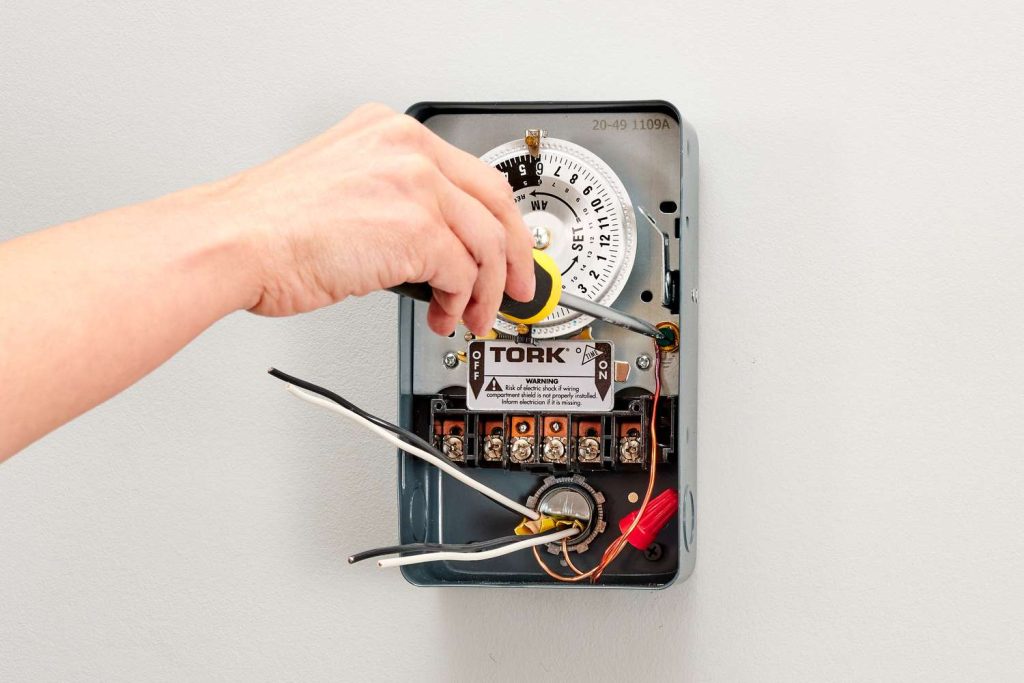
A mechanical timer switch, also referred to as an analog перемикач таймера, це пристрій синхронізації, який використовує такі фізичні компоненти, як пружини, шестерні та електродвигуни, для регулювання живлення електричного пристрою.
Щоб дізнатися більше про цей пристрій, ось практичний посібник для початку.
Як працює механічний перемикач з таймером?
Працюючи в аналоговому режимі, він використовує годинникові механізми, щоб визначити, коли вмикати та вимикати живлення.
Цей тип перемикача таймера налаштовується вручну шляхом налаштування ручки для встановлення бажаного інтервалу часу для ввімкнення та вимкнення.
Незважаючи на те, що механічні перемикачі з таймером є економічно ефективними та простими для конфігурації, вони можуть бути більшими та вимагати більшого обслуговування через використання рухомих частин.
Зазвичай використовуються для керування освітленням, приладами та іншими електричними пристроями, вони пропонують економічний засіб автоматизації різних систем.
Незважаючи на появу більш складних цифрових та електронних таймерів, механічні таймери залишаються простим і бюджетним варіантом для контролю за освітленням та іншими пристроями.
Види механічних таймерів
Mechanical timer switches can be categorized by several factors. Understanding these types helps you choose the right model for your specific application.
By Time Cycle
- 24-Hour Mechanical Timer: The dial completes one full rotation every 24 hours. Best suited for daily routines that repeat the same pattern every day, such as turning porch lights on at dusk and off at dawn. Each pin typically represents a 15-minute block, giving you up to 96 ON/OFF segments per day.
- 7-Day Mechanical Timer: The dial completes one rotation every 7 days, allowing different schedules for weekdays and weekends. Ideal for commercial settings where operating hours vary — for example, a shop sign that needs to stay on later on Fridays and Saturdays.
By Installation Method
- Plug-In Timer: Plugs directly into a standard wall outlet. The appliance then plugs into the timer. No wiring required — ideal for residential use with lamps, fans, aquarium equipment, and small pumps.
- DIN Rail Mounted Timer: Installed inside an electrical panel on a standard DIN rail. Requires a hardwired connection by a qualified electrician. Used in commercial and industrial settings for controlling lighting circuits, irrigation systems, HVAC equipment, and motor-driven machinery.
By Number of Channels
- Single-Channel Timer: Controls one electrical circuit. Sufficient for most residential applications.
- Multi-Channel Timer: Controls two or more independent circuits from a single unit, each with its own ON/OFF schedule. Useful in commercial buildings where multiple systems (e.g., interior lights, exterior signs, ventilation) need independent timing.
By Contact Capacity
- Mechanical timers are rated by the maximum current they can safely switch. Residential plug-in models typically handle 10A–16A, suitable for lighting and small appliances. Industrial DIN rail models — like the TOSUNlux THC-15A — support up to 30A, capable of controlling heavier loads such as pumps, motors, and heating elements.
- When selecting a mechanical timer switch, match the timer’s rated amperage to your load. Connecting a device that draws more current than the timer’s rating will cause overheating and potential failure.
Де використовуються механічні перемикачі з таймером
Механічні таймери - це універсальні пристрої, які використовуються для різних цілей. Ось розбивка їх використання та переваг:
- Контроль освітлення: ідеально підходить для автоматизації систем внутрішнього та зовнішнього освітлення.
- Управління приладами: корисно для керування такими приладами, як печі та водяні насоси.
- Контроль HVAC: Допомагає ефективно регулювати системи опалення та охолодження.
- Економічно ефективний: Надає доступне рішення для автоматизації домашніх і промислових систем.
- Зручний для користувача: відомі своєю простотою та легкістю використання, що робить їх доступними для кожного.
- Міцний: Створений для довговічності, пропонуючи надійність у різних налаштуваннях.
- Промислове та домашнє використання: Підходить як для житлових, так і для промислових застосувань.
Незважаючи на наявність цифрові таймери, механічні перемикачі з таймером залишаються популярним вибором завдяки своїй доступності та простому управлінню.
Як користуватися механічними перемикачами з таймером
Щоб реалізувати таймер або аналоговий перемикач, вам знадобиться існуюча система промислового чи індивідуального масштабу.
Приклади персональних систем включають регулювання акваріумних двигунів, фільтрів і освітлення.
У той час як цифрові моделі дозволяють точно регулювати час з точністю до секунди, механічні аналогові годинники зручні для користувача, вказуючи початкову та кінцеву точки за допомогою виїмок на круглій структурі.
У механічних перемикачах можуть виникати відхилення на + або – 5 хвилин.
Для цифрових моделей можливі тижневі, щоденні та погодинні плани з точними налаштуваннями хвилин, що забезпечує детальний контроль.
Вибір відповідного типу та моделі таймера — цифрового чи аналогового — залежить від призначення та конкретних вимог поставленого завдання.
Як налаштувати механічний таймер
Щоб налаштувати механічний перемикач таймера, виконайте такі загальні дії:
- Підключіть таймер до стіни, а прилад до таймера.
- Відрегулюйте диск, щоб встановити поточний час.
- Press down the pins for the times you want the device to activate, and keep them pulled out for when you want the device to deactivate.
- Якщо доступно, встановіть таймер у режим «Увімкнення-Автовимкнення».
- Переведіть кнопку ручного перемикання в положення «Таймер».
Ці кроки можуть дещо відрізнятися залежно від конкретної моделі механічного перемикача таймера.
важливо: Завжди звертайтеся до інструкцій виробника для отримання точних вказівок.
Як полагодити механічний перемикач таймера, який не працює
Щоб вирішити проблеми з несправним механічним перемикачем таймера, розгляньте ці загальні кроки з усунення несправностей, отримані з результатів пошуку:
- Крок 1. Перевірте налаштування таймера: переконайтеся, що таймер встановлено правильно, оскільки неправильні налаштування можуть призвести до неочікуваних збоїв.
- Крок 2. Перевірте проводку таймера: Забезпечте правильну проводку та розподіл електроенергії, звертаючи увагу на незакріплені клеми, які можуть порушити електричний потік.
- Крок 3. Перевірте наявність зламаних або застряглих компонентів: Перевірте таймер на наявність пошкоджень шестерень або пружин, спричинених такими факторами, як вік, бруд або сміття. Змастіть заклинилі шестерні та, якщо необхідно, замініть зламані.
- Крок 4: Перевірка джерела живлення та запобіжників: Перевірте належне джерело живлення та перевірте, чи не перегорів запобіжник, оскільки недостатня напруга або перегорів запобіжник можуть вплинути на роботу таймера.
- Крок 5: Заміна батареї: Якщо таймер працює від батарейок, замініть їх, якщо дисплей нечіткий або таймер не працює належним чином.
- Крок 6. Перевірте центрування трипера та шестерні: Перевірте трипери та шестерні на наявність пошкоджень або зміщень. Очистіть шестерні та переконайтесь у правильному вирівнюванні триперів для точного часу ввімкнення/вимкнення.
Завжди звертайтеся до конкретних інструкцій виробника щодо вичерпних кроків усунення несправностей, оскільки процес може відрізнятися залежно від моделі механічного перемикача з таймером.
Ключ на винос
Аналогові або механічні таймери — це пристрої, які керують роботою електричних машин або систем, вмикаючи та вимикаючи їх за заздалегідь визначеним розкладом.
Основною метою є енергозбереження, що робить таймери практичним вибором.
Зупиняючи енергоємні пристрої, коли вони не потрібні, ви не тільки економите електроенергію, але й підвищуєте зручність користувача.
Такий продуманий підхід до керування роботою пристрою сприяє як енергоефективності, так і професіоналізму системи.
Mechanical Timer Switch vs Digital Timer Switch
Mechanical Timer Switch vs Digital Timer Switch
Both mechanical (analog) and digital timer switches serve the same fundamental purpose — automating when electrical devices turn on and off. However, they differ significantly in how they achieve this. Here is a practical comparison to help you choose the right type.
| Особливість | Механічний таймер | Digital Timer Switch |
| Timing Accuracy | ±5 minutes | ±1 second |
| Programming Method | Push physical pins on a dial | Button-based, LCD screen interface |
| Minimum Time Interval | 15 minutes (per pin) | 1 minute or 1 second |
| Number of Programs | Simple daily schedules, budget installations, and environments without reliable power | 8–20+ independent programs |
| Weekday/Weekend Scheduling | Only on 7-day models | Standard on most models |
| Power Outage Behavior | Schedule shifts by outage duration (no battery) | Battery backup retains schedule (typically 3V lithium) |
| Price Range | $5 – $20 (residential); $15 – $50 (industrial) | $15 – $60 (residential); $30 – $120 (industrial) |
| Тривалість життя | 5–10 years (moving parts wear over time) | 8–15 years (no moving parts) |
| Технічне обслуговування | Periodic cleaning and lubrication of gears | Minimal; battery replacement every 3–5 years |
| Шум | Faint ticking/clicking from motor and gears | Silent |
| Ease of Setup | Very easy — push pins, no manual needed | Moderate — requires reading the manual to program |
| Найкраще для | Simple daily schedules, budget installations, environments without reliable power | Complex multi-program schedules, second-level precision, setups with frequent power outages |
When to Choose Mechanical: If your application follows a simple, repeating daily pattern (e.g., lights on at 6 PM, off at 11 PM every day) and you want the lowest upfront cost with zero programming complexity, a mechanical timer is the practical choice.
When to Choose Digital: If you need different schedules for different days of the week, second-level precision, or the schedule must survive power outages without resetting, a digital timer is worth the extra cost.
TOSUNlux offers both types. The THC-15A digital programmable timer supports 24-hour / 7-day scheduling with a contact capacity of up to 30A, making it suitable for both light and heavy-duty applications.
Рекомендація продукту

TOSUNlux THC-15A Programmable Timer Switch
Based on the requirements discussed throughout this guide, the TOSUNlux THC-15A is a versatile option that bridges the gap between simple mechanical timers and fully programmable digital controllers.
Key Specifications:
| Специфікація | Detail |
| Timer Type | Digital programmable |
| Time Cycle | 24-hour and 7-day scheduling |
| Контактна ємність | 16A – 30A |
| Minimum Program Interval | 1 minute |
| Number of ON/OFF Programs | Up to 17 per day |
| Монтаж | DIN rail (35mm standard) |
| Power Outage Protection | Built-in lithium battery backup |
| Дисплей | LCD with backlight |
Why It Fits Common Use Cases
- For lighting control: Supports separate weekday and weekend schedules, eliminating the manual adjustment needed with basic mechanical timers.
- For industrial motor control: The 30A contact capacity handles pumps, fans, and motors without requiring an external contactor for loads under 30A.
- For environments with frequent power outages: The battery backup retains your programmed schedule, so you do not need to reset the timer after every blackout.
TOSUNlux also manufactures circuit breakers, contactors, isolating switches, and distribution boards. Visit tosunlux.eu to request a quotation or browse the full product catalog.
FAQ
Q1: How long does a mechanical timer switch last?
A well-maintained mechanical timer switch typically lasts 5 to 10 years. Lifespan depends on usage frequency, environmental conditions, and regular maintenance of moving parts like gears and springs. Timers used in dusty or humid environments may require more frequent cleaning to reach their full lifespan.
Q2: Can I use a mechanical timer switch outdoors?
Yes, but you need an outdoor-rated model with an appropriate IP rating — typically IP44 or higher — to protect against moisture and dust. Always install outdoor timers inside a weatherproof enclosure, and avoid direct exposure to rain or sprinkler spray.
Q3: What is the difference between a mechanical and a digital timer switch?
Mechanical timer switches use physical gears and springs with ±5-minute accuracy, while digital timers use electronic circuits for precision down to the second. Mechanical timers are more affordable and easier to set up, while digital timers offer more programming flexibility and battery-backed memory that survives power outages.
Q4: Why is my mechanical timer switch not turning off?
Common causes include stuck or misaligned pins (trippers), worn-out gears, or a faulty switch contact. First check that the pins for OFF periods are fully in the raised position. Then inspect the mechanism for debris or gear damage. If the timer motor is running but the switch does not disengage, the internal contact may be welded shut from switching high-current loads — in this case, replace the timer.
Q5: How do I reset a mechanical timer switch?
Pull all pins (trippers) to the OFF (raised) position, then rotate the dial clockwise until the arrow aligns with the correct current time. After that, push down only the pins for your desired ON periods. Finally, set the mode switch to “Auto” or “Timer” to activate the schedule.
Q6: Can a mechanical timer switch save electricity?
Yes. By automatically turning off devices when they are not needed — such as lights, pumps, and heaters — a mechanical timer can reduce energy waste by 10% to 30%, depending on the application and how many hours per day the device was previously running unnecessarily.
Q7: What is the maximum load for a mechanical timer switch?
Most residential plug-in mechanical timers handle 10A to 16A (approximately 1,150W to 1,840W at 115V, or 2,200W to 3,520W at 220V). Industrial DIN rail models like the TOSUNlux THC-15A support up to 30A. Always check the timer’s rated current on its label before connecting any appliance, and never exceed the stated capacity.
Тел.: +86-577-88671000
Електронна пошта: ceo@tosun.com
Skype: tosunelectric
Wechat: +86-139 6881 9286
WhatsApp: +86-139 0587 7291
Адреса: кімната № 1001 Wenzhou Fortune Center, Station Road, Веньчжоу, Китай
ЗАПИТАЙТЕ ЦІНУ
WhatsApp нас