 : +86-139 0587 7291
 English
 Español
 Русский
 Français
 العربية
 Português do Brasil
 Українська
 Türkçe
 Polski
 Nederlands
 Italiano
 Bahasa Indonesia
 हिन्दी
 اردو
اردو አማርኛ
አማርኛ Հայերեն
 ไทย
ไทย Монгол
 فارسی
فارسی Shqip
Shqip Ελληνικά

How to Select Suitable DC Breakers ?
Table of Contents
ToggleSelecting a suitable DC MCB starts with the circuit itself, not with the breaker catalog.
In DC applications such as solar PV, battery systems, and control circuits, breaker selection should match the system voltage, operating current, fault level, and installation environment. A breaker that looks suitable by ampere rating alone may still be wrong for the actual DC circuit.
This guide explains the practical selection process for buyers, panel builders, and installers.
What Is a DC MCB?


A DC MCB, or Direct Current Miniature Circuit Breaker, is a small device that helps protect electrical circuits. As a type of circuit breaker, it works by stopping the flow of electricity when the current gets too high, preventing damage to appliances and reducing the risk of electrical fires. Circuit breakers also help prevent electric shock, ensuring system safety and protection.
Key Features of DC MCBs:
- Rated Current: This is the maximum current the MCB can handle safely. For example, a DC MCB with a rated current of 20 amps can manage up to 20 amps without tripping. The rated current is specified at a certain ambient temperature, and performance can vary if the MCB operates outside of this temperature range.
- Breaking Capacity: This refers to the highest current the MCB can interrupt safely. Residential DC MCBs often have a breaking capacity of up to 6,000 amperes (6 kA), while industrial ones can handle even more. It is crucial to select a circuit breaker rated appropriately for the specific application to ensure safety and compliance with regulatory standards.
- Types: DC MCBs come in two main types:
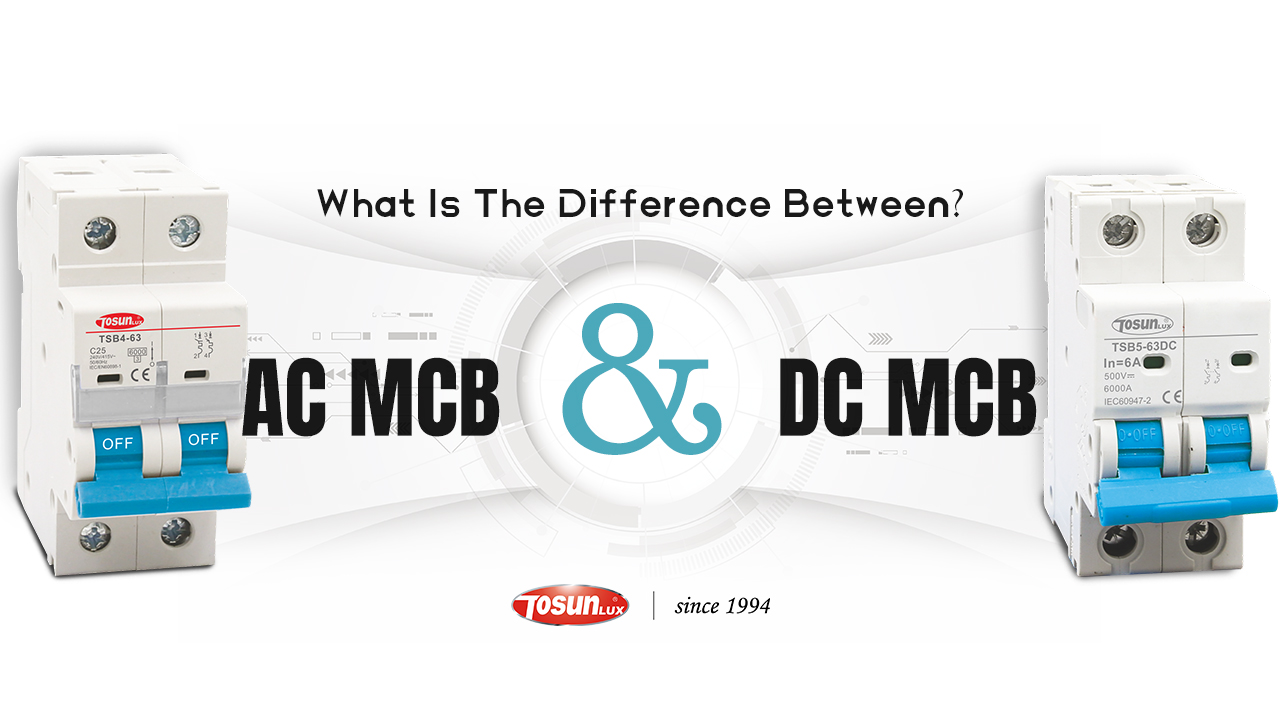
- AC MCBs: Used for power generation and solar installations.
- DC MCBs: Found in vehicles and some home circuits.
- Operation: They can be manually turned on and off or operate automatically if the current exceeds safe levels.
- Molded Case Circuit Breakers: Molded case circuit breakers (MCCBs) are designed to handle higher current ratings and are calibrated to carry specific amperes at certain temperatures. Proper maintenance and UL testing are essential to ensure their reliability and extend their lifespan.
Why Use a DC MCB? Protection Against Short Circuit
- Safety: Protects against electrical overloads and short circuits, including continuous load conditions to prevent damage during fault conditions.
- Reliability: Ensures your appliances work smoothly without unexpected interruptions.
- Versatility: Suitable for both residential and industrial applications.
- Compliance: When selecting DC MCBs, it is crucial to consider continuous loads. For loads lasting three hours or more, circuit breakers should be sized to handle only 80% of their rated capacity, as per NEC guidelines, to ensure safety and prevent overheating.
Step-by-Step: How to Select a Suitable DC MCB
- Confirm the system voltage. In DC circuits, voltage rating is critical because DC arc interruption is more demanding than AC interruption.
- Check the operating current and choose a breaker whose rated current matches the actual load with the required design margin.
- Confirm the short-circuit level and the required breaking capacity. This is especially important in PV and battery applications where fault behavior must be considered carefully.
- Finally, review the installation environment, including temperature, enclosure conditions, and mounting arrangement.
Key Parameters to Check Before Ordering
When selecting a DC miniature circuit breaker (MCB), it’s important to ensure safety and efficiency in your electrical systems. Here are some key factors to consider:
- Type of Circuit: Determine whether your circuit is for a vehicle, a solar system, or a DC circuit. DC MCBs are commonly used in all these applications. Additionally, consider the specific parameters for dc circuits to ensure accurate breaker sizing.
- Rated Current: Match the MCB to the maximum load your circuit can handle. For example, if your circuit carries up to 20 amps, choose an MCB rated for at least 20 amps. Remember, the safe maximum load for a 15A circuit breaker is 12A, adhering to the 80% rule to prevent potential power loss.
- Breaking Capacity: This is the maximum current the MCB can safely interrupt. Residential DC MCBs typically have a breaking capacity of up to 6 kA, while industrial ones may be higher.
- Impedance Consideration: If your power source has high impedance, select an MCB with a lower short circuit capacity to prevent damage.
- Amperage Rating (AIC): Ensure the MCB’s amperage rating aligns with the circuit’s maximum current to avoid over-current issues. Consider the power factor when calculating the appropriate breaker size for various appliances.
- Temperature Rating: Most MCBs have a standard temperature rating of 40°C. Make sure your MCB can handle continuous current at this temperature. For a single phase AC circuit, consider the load types and power factors. When dealing with a single phase supply, ensure calculations are based on wattage, power factor, and specific voltage levels.
- Professional Guidance: When in doubt, consult a certified electrician to ensure you select the appropriate MCB for your needs.
- Breaker Size Calculator: Utilize a breaker size calculator to determine the appropriate size of a circuit breaker for various electrical appliances. This tool helps estimate load requirements and choose a suitable breaker size to ensure safety and compliance with electrical standards.
- Neutral Voltage: In certain systems, such as IT systems, consider the concept of neutral voltage. During a double earth fault scenario, the circuit breaker must handle phase-to-phase voltage instead of the usual phase-to-neutral voltage, which may require specific breaking capacity modifications.
- Remote Control: Consider the importance of remote control in the selection of MCBs, especially in systems where electrical characteristics and telecommunications systems are crucial.
- Three Phase System: For a three phase system, understand the calculations and considerations required for sizing circuit breakers. Factors such as load type and power factor significantly affect the load current, and specific formulas are needed to accommodate changes in voltage and load characteristics.
By considering these factors, you can choose a DC MCB that effectively protects your electrical systems, ensuring both safety and reliability.
Common Mistakes in DC Breaker Selection
One common mistake is choosing a breaker only by current rating while ignoring the DC voltage requirement.
Another mistake is treating AC and DC breakers as interchangeable products. Even if the ampere value looks similar, the arc interruption requirements are different.
Buyers should also avoid mixing unrelated sizing logic into the selection process. For DC MCB selection, the key parameters are voltage, current, breaking capacity, polarity requirements if applicable, and installation conditions.
Conclusion
Choosing the right DC circuit breaker is crucial for preventing electrical mishaps. Key considerations include rated current, breaking capacity, circuit type, and ambient temperature. Proper sizing ensures safety and efficiency, adhering to NEC guidelines for continuous loads. Utilize a breaker size calculator and consult a certified electrician for guidance.
Ensure compliance and reliability in both residential and industrial applications. For expert assistance and high-quality DC breakers, contact TOSUNlux today to safeguard your electrical systems effectively.
In solar and new energy applications, DC MCBs are often selected together with DC isolators, PV fuses, SPDs, and combiner boxes rather than as standalone components.

Tel: +86-577-88671000
E-mail: ceo@tosun.com
Skype: tosunelectric
Wechat: +86-139 6881 9286
WhatsApp: +86-139 0587 7291
Address: Room No.1001 Wenzhou Fortune Center,Station Road, Wenzhou, China
REQUEST A QUOTE
WhatsApp us