Blog

  • The Pros and Cons of Whole House Surge Protectors

    09th Jan 2025

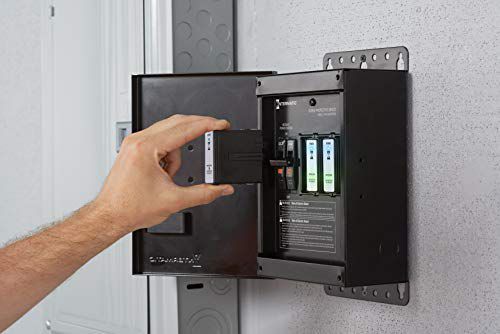
    Whole house surge protectors safeguard your home’s electrical system from damaging power surges, offering a critical layer of protection for modern homes filled with sensitive electronics.  These devices help prevent costly repairs and ensure the longevity of your appliances.  However, they aren’t without limitations—such as limited protection against direct lightning strikes and an upfront investment.  This article will explore their benefits, drawbacks, and overall effectiveness, helping you determine if they’re a worthwhile addition to your home.  Read on to learn more. What Is a Whole House Surge Protector? A whole house surge protector is installed at the main electrical panel or utility meter to protect all connected circuits from voltage spikes.  These spikes, often caused by lightning, power outages, or internal surges, can damage electronics and appliances.  The device acts as a barrier, diverting excess voltage safely to the ground before it can cause harm. How Does a Whole House Surge Protector Work? Whole house surge protectors monitor the incoming voltage from your main power line and act as a shield for your electrical system.  When a sudden spike in voltage occurs—whether from lightning, utility grid fluctuations, or internal electrical issues—critical components like Metal Oxide Varistors (MOVs) spring into action.  These MOVs absorb the excess energy and redirect it safely to the ground wire, preventing the surge from reaching your appliances and causing damage. This process happens almost instantaneously, usually within nanoseconds, ensuring all connected devices, from large appliances to sensitive electronics, are protected.  Some advanced models also include thermal protection and status indicators, which […]

    Read More
  • Medium Voltage vs High Voltage vs Low Voltage Transformers: Understanding Key Differences

    08th Jan 2025

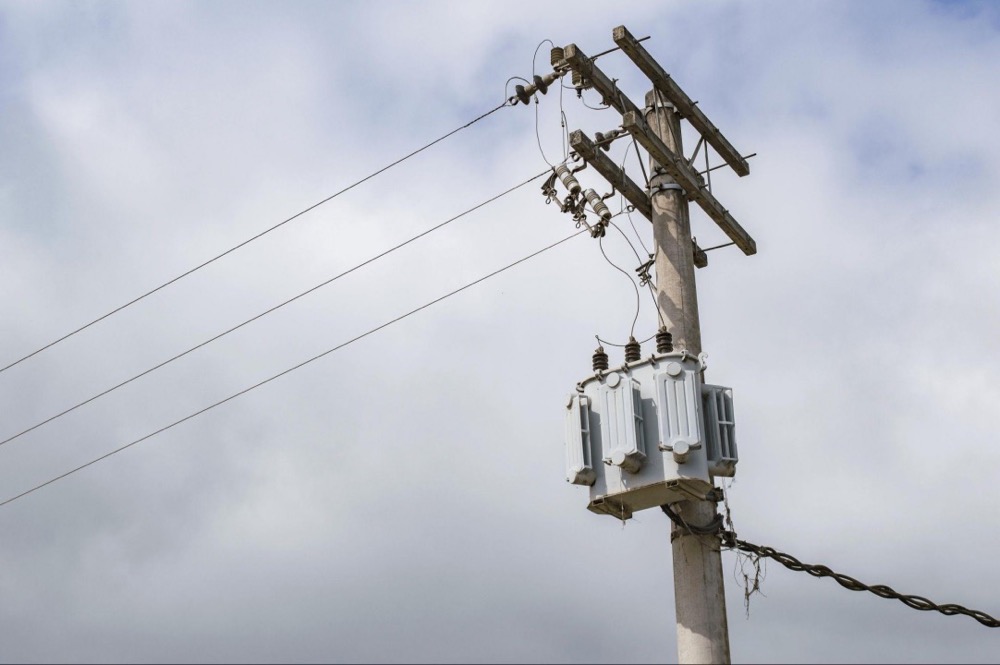
    The key differences between medium, high, and low voltage transformers lie in their voltage handling capacity, design, and application.  These transformers are responsible for regulating the electrical voltage used in power distribution and various industrial applications.  This article will provide a detailed comparison of medium, high, and low voltage transformers, exploring key differences in voltage range, applications, design, insulation, and maintenance. Overview of Voltage Types: Low, Medium, and High When selecting a transformer for any application, one of the most significant factors to consider is the voltage levels involved.  The voltage a transformer handles influences its size, design, and efficiency.  Here’s an overview of the different voltage ranges typically associated with each transformer type: Voltage Type Voltage Range Common Applications Examples Key Features & Differences Design & Insulation Cost & Maintenance Low Voltage (LV) Up to 1,000V Residential, small businesses, local lighting Distribution transformers, appliances Cost-effective, easy installation, limited capacity. Simple design, basic insulation materials (e.g., PVC or rubber). Low initial cost, minimal maintenance, but may require replacement over time. Medium Voltage (MV) 1,000V – 35,000V Industrial facilities, power grids, hospitals Step-up transformers, industrial use Efficient, moderate power load, specialized installation. More advanced design; uses better insulation materials (e.g., oil or gas insulation). Moderate initial investment, more maintenance required for optimal performance. High Voltage (HV) Above 35,000V Long-distance transmission, heavy industries Transmission transformers Handles large-scale transmission, and requires safety standards. Robust design, and advanced insulation systems (e.g., porcelain, SF6 gas). High initial cost, significant maintenance, and safety checks are necessary. The key differences between these […]

    Read More
  • Do I Need A Fuse Between MPPT And Battery?

    01st Jan 2025

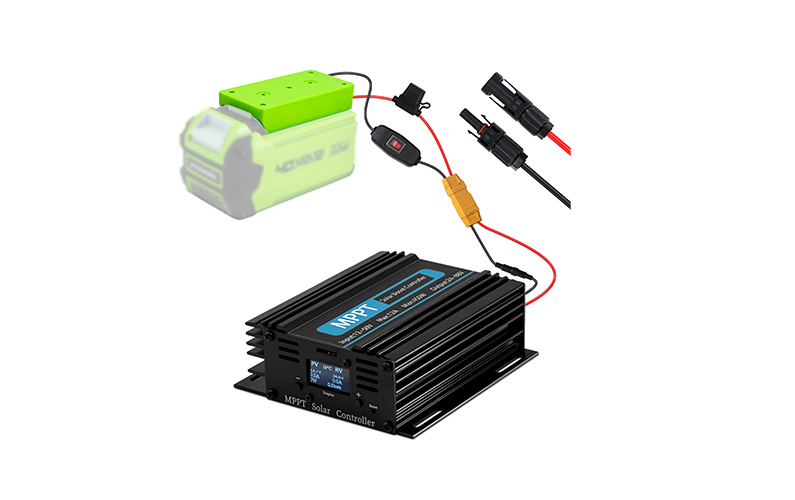
    Depending on the model of your MPPT, you may need a main fuse between the charge controller and the battery. The fuse size you choose will depend on the amps flowing to and from the charge controller. Choosing the correct size fuse is crucial to ensure the safety and efficiency of your system. The size of the fuse is typically listed on the charge controller’s manual. For instance, if your MPPT draws 60 amps, you will want to connect the battery bank to starter circuit with a 60-amp fuse. You should also make sure the wires are long enough to connect to both components. Hero Product Highlight Multifunction Time Relay TRT8 The Multifunction Time Relay TRT8 offers 10 programmable functions and a wide range of time settings, ideal for controlling electrical appliances, motors, and other loads, with high accuracy and reliability. View Product When using the MPPT charge controller, you must also use a PWM fuse. This fuse connects each panel to the charge controller. It should be located on the plus (+) side. You must make sure the fuse is placed between the MPPT charge controller and battery. This fuse is important because it protects the charge controller from overcurrent and prevents the battery from reaching critical discharge. The fuse is also a safety measure to prevent damage to the battery, solar panel, and any electrical load. If you want to know whether a fuse is required between MPPT and battery, continue reading this article. What Is An MPPT Battery Fuse? An MPPT battery […]

    Read More
  • Mechanical Timer Switch Not Working? Here’s A Few Reasons Why & How To Fix It

    25th Dec 2024

    Mechanical timers can stop working due to issues ranging from simple setting errors to mechanical or electrical problems. Let’s look at the common causes, fixes, and tips to keep your timer in great shape. How Do Mechanical Timers Work? Mechanical timers work with gears powered by a spring-wound mechanism or an electric motor. These gears interact with a clock dial, letting you set a specific duration. As time passes, the gears advance until the timer completes its cycle. You can use timers with knobs, dials, or pins to control lights, appliances, or pool equipment. These devices are durable and don’t require batteries, but wear and tear or incorrect settings can disrupt their function. typical mechanical timer has a dial pointer and pins that allow you to set specific on/off times. Once configured, the timer ticks away, advancing at a consistent rate determined by its gear mechanism. Why Isn’t My Mechanical Timer Switch Working? Mechanical timer switch can fail for various reasons. Here are the most common problems and how to fix them: 1. Incorrect Timer Settings Timers often fail because of incorrect settings. Even small misalignments of the clock dial can cause issues. Check the user manual to make sure everything is set up properly. 2. Wiring Problems Loose or faulty wiring, both inside and outside the timer, can stop it from working. This includes disrupted power flow caused by loose terminals or damaged wires. 3. Broken Or Stuck Parts Dust, dirt, or age can damage or jam gears and springs. Cleaning, lubricating, or replacing these […]

    Read More
  • How Is Electricity Distributed To Our Homes?

    23rd Dec 2024

    Electricity powers our lives, from lighting homes to running appliances. But have you ever wondered how electricity reaches our home? The process involves several steps, each critical for ensuring safe and efficient delivery. Step 1: Generating Electricity The first step in delivering electricity to your home is generating it at power plants. These facilities use a mix of renewable and non-renewable energy sources to create electrical power. Renewable sources include wind, solar, and hydropower, offering cleaner and more sustainable energy. Non-renewable sources like coal and natural gas provide energy when renewable supplies are insufficient. It means electricity generation involves converting energy into electrical power. For example: Thermal plants burn fossil fuels to produce steam, which drives turbines. Hydroelectric plants use flowing water to spin turbines directly. Solar panels generate electricity by converting sunlight into energy using photovoltaic cells. The generated electricity is produced at high voltages, which reduces energy loss during transmission. Step 2: Transmission – Sending Electricity Long Distances Once electricity is produced, it enters the transmission network. These high-voltage lines carry electricity over long distances to local areas. Step-up transformers at power plants increase voltage to reduce energy loss. Transmission lines, supported by towers or running underground, act like highways for electricity. This system ensures that electricity reaches regional substations efficiently and safely. Step 3: Substations and Voltage Adjustment At substations, electricity is prepared for distribution. Step-down transformers reduce the voltage to levels safe for homes and businesses. It means that electricity, now at lower voltages, is ready to enter the local distribution […]

    Read More
  • Why Is My Circuit Breaker Tripping?

    22nd Nov 2024

    When your breaker keeps tripping, it can be frustrating and puzzling. The breaker is meant to keep you safe, so understanding why it trips and how to handle it can save time, stress, and potential hazards.  In this guide, we’ll go through the common causes of a tripped breaker, ways to prevent it, and tips on dealing with tricky situations. Common Causes of Circuit Breaker Tripping Why does a circuit breaker trip? A circuit breaker trips randomly to protect you. When it detects a problem, it shuts off power to stop issues like overheating. Here are some typical causes: Overloaded Circuits If a circuit has too many devices drawing power at once, it’s more likely to overload. This happens a lot in rooms with many outlets, like kitchens and living rooms. Too much demand causes the breaker to trip, cutting off power to prevent wires from overheating.  The solution? Manage the number of devices connected to it. Short Circuits Short circuits happen when a hot wire touches a neutral wire, creating a low-resistance path and allowing more current than the circuit can handle. This causes an intense surge, which trips the breaker.  Short circuits are dangerous and may lead to electrical fires if improperly handled. If you suspect a short circuit, consult an electrician. Ground Faults Ground faults occur when a hot wire touches the ground wire or a metal part of a box, causing extra current to flow through unintended paths. They are similar to short circuits but typically happen in areas with high […]

    Read More
  • What Should Do if Your Circuit Breakers Keeps Tripping?

    21st Nov 2024

    If your circuit breaker keeps tripping, it can be frustrating and confusing. But don’t worry! We’ll help you understand what’s happening and what to do when the breaker keeps tripping. Understanding Circuit Breaker Tripping Why does a circuit breaker trip? A circuit breaker trips or shuts off to protect your home. It’s like a safety switch that stops power when something is wrong. The breaker might trip because the circuit has too much load, there’s a short circuit, or something is grounded incorrectly. Overload: If too many devices are on one circuit, the breaker shuts off. This stops wires from overheating. Short Circuit: A short circuit occurs when a hot wire comes into contact with a neutral wire. This can cause sparks or heat, making the breaker shut off. Ground Fault: When a hot wire touches the ground wire or metal, it causes a surge. Breakers trip to keep you safe from shocks or fires. What to Do When Your Circuit Breaker Keeps Tripping When a circuit breaker trips, here’s what you should do to  fix it: Turn Off and Unplug Devices Begin by switching off all devices connected to the affected circuit. Unplug them to reduce the load. This helps you determine if the issue is from an overloaded circuit or an appliance. Reset the Circuit Breaker Locate your breaker panel and find the tripped breaker. Move it fully to the “off” position, then flip it back to “on.” This should restore power, but if the breaker trips again immediately, the problem is likely […]

    Read More
  • Understanding Electrical Short Circuits: Types and Causes

    20th Nov 2024

    Electricity helps power our homes, but it can be dangerous if something goes wrong. One of the most common problems is an electric short circuit.  A short circuit can cause sparks, overheating, and even fires. Knowing what a short circuit is, why it happens, and how to prevent it helps keep everyone safe. What is a Short Circuit? In a working circuit, electricity flows along a controlled path, powering lights, appliances, and other devices.  So, what a short circuit? A short circuit occurs when electricity takes an unintended shortcut. This shortcut creates a low-resistance path, causing a sudden increase in current flow. When this happens, wires can get too hot, potentially leading to burns or fires. A short circuit can happen anywhere there’s electricity. When a circuit is shorted, it stops working properly. You might notice flickering lights, hear buzzing sounds, or even smell something burning. Types of Short Circuits What are the two main types of short circuit? The two main types of short circuits are normal and ground faults. Normal Short Circuit A normal short circuit occurs when a hot wire (the one carrying electricity) touches a neutral wire (the one that returns electricity). This contact creates a path with very little resistance, causing electricity to flow too fast. When this happens, your breaker or fuse cuts off the power to prevent damage. However, this quick surge of electricity can still cause heat, sparks, or other issues. Ground Fault Short Circuit This type of short circuit occurs when a hot wire touches the […]

    Read More
  • Ground Fault vs Short Circuit: What’s the Difference?

    19th Nov 2024

    Electricity powers our homes and makes life easier, but it can be dangerous if something goes wrong. Two common electrical problems are ground faults and short circuits.  Although they may sound similar, they’re quite different in how they happen and the risks they pose.  What is a Short Circuit? How does a short circuit happen? A short circuit happens when electricity flows along the wrong path.  Normally, electricity flows through wires and devices in a controlled way. But in a short circuit, electricity skips parts of the circuit, creating a low-resistance path. This causes a surge of electricity that can overheat wires, which might even cause a fire. Short circuits usually happen when the hot (live) wire touches the neutral wire. This connection creates a shortcut, allowing electricity to flow without resistance.  The result is a sudden rush of electric current that makes the breaker trip. Short circuits can happen anywhere in the wiring and often occur in outlets, lights, or appliances. What is a Ground Fault? What is a ground fault? A ground fault occurs when electricity leaves its usual path and flows directly to the ground. This is dangerous because it can lead to electric shocks if someone touches the exposed current.  Ground faults happen when a hot wire touches a grounded surface, like a metal box, a ground wire, or even a wet area. They are more common in places with moisture, like bathrooms, kitchens, and outdoor areas.  When water is present, it creates an easy path for electricity to flow to […]

    Read More
  • How Long Does Circuit Breakers Last? What Affects Their Lifespan?

    18th Nov 2024

    What’s a circuit breaker? Circuit breakers are like the safety guards of your home’s electrical system. They stop the flow of electricity when something goes wrong, keeping you safe from fires and shocks.  But have you ever wondered how long a circuit breaker lasts? Let’s dive into their lifespan, what affects it, how to spot aging breakers, and tips to keep them working longer. Typical Lifespan of Circuit Breakers A circuit breaker is built to last a long time. On average, most circuit breakers have a lifespan of 30 to 40 years. Some can last even longer if they are used properly and maintained.  However, not all breakers last this long. Breakers in busy households or industrial setups may wear out faster due to heavy use. Breakers in homes usually last longer because they don’t trip as often as those in factories or businesses. Industrial breakers handle large loads and constant usage, which causes more wear and tear over time.  Even though breakers are designed for durability, their lifespan can vary depending on how they are used and their environment. Factors Affecting Circuit Breaker Longevity How long a circuit breaker lasts depends on several factors. Here are the main things that affect their lifespan: Frequency of Tripping Every time a breaker trips, it gets a little weaker. Breakers are designed to handle occasional trips, but frequent tripping wears them down. For example, if your circuit is overloaded with too many devices, the breaker might trip more often, shortening its life. Electrical Load High-power appliances like […]

    Read More
Loading...