Blog

  • How to Choose a Digital Multimeter

    20th Sep 2024

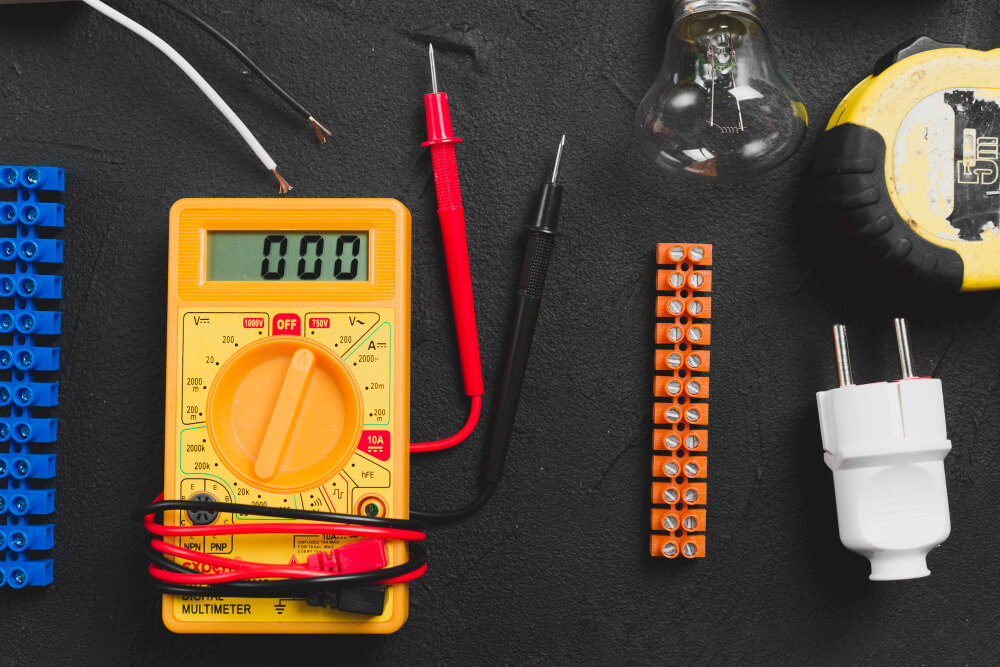
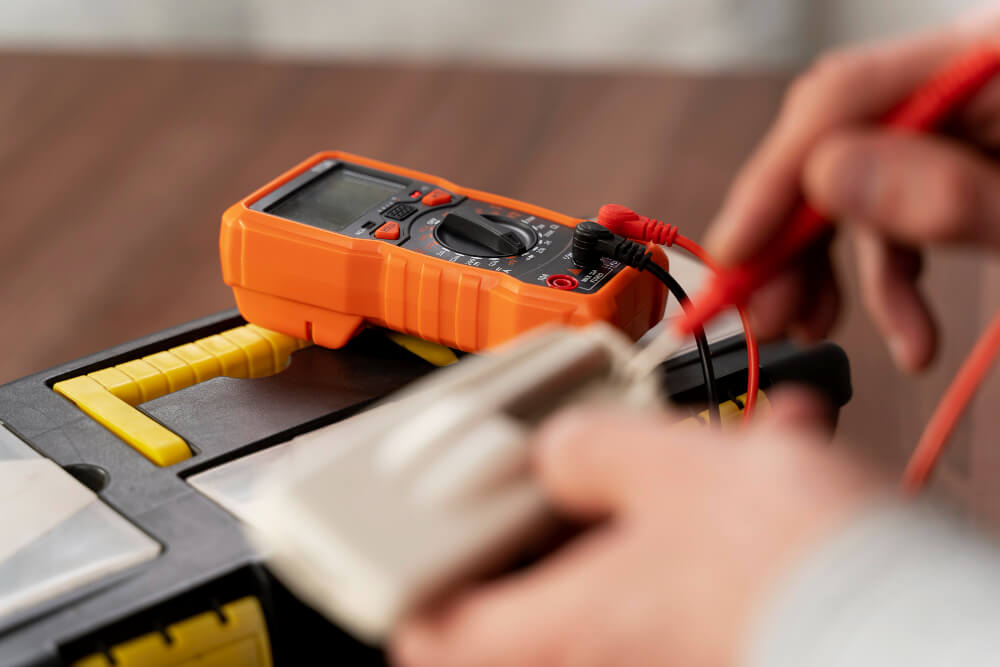
    When buying your first digital multimeter, prioritizing safety certifications and general specifications suitable for basic use is crucial. Auto-ranging models provide simplicity for beginners without compromising accuracy.  A multimeter is an essential tool for every business and hobbyist. If you’ve never purchased one before, the process can be daunting given the numerous technical specifications and models available. In this article, we will walk through the key factors to consider when selecting a digital multimeter for home use and provide recommendations for good multimeter brands. Selecting a Digital Multimeter – Things to Consider Here are a few things to keep in mind while learning how to choose a multimeter: The Type of Multimeter The first decision is whether to opt for a manual ranging or auto ranging multimeter. In manual ranging meters, you must know the approximate range of voltage, resistance, or current expected and manually set the range on the meter. Auto ranging models detect the measurement range and select it automatically for you. This added convenience makes auto ranging multimeters ideal for beginners and everyday industrial use. When considering how to choose a good multimeter for beginner, auto-ranging models are often recommended. Related Reading: Digital Multimeter Types Maximum Voltage Consider the maximum voltage you need to measure. General-purpose digital multimeters suitable for around-the-facility electrical tasks usually measure up to around 600 volts. Auto-electricians working on high voltage auto systems will require meters that go up to 40,000 volts or more. For simple home use, 600 volts is sufficient. Anything beyond that is overkill. Resolution […]

    Read More
  • Multimeter vs Voltmeter: What is the Difference

    19th Sep 2024

    Multimeters can measure voltage, current, resistance, and other parameters. Some voltmeters, particularly portable ones, are powered by the measured voltage source, which highlights their operational mechanisms within electrical work environments. Voltmeters specialize in voltage measurements only but provide greater accuracy. Choose multimeters for versatility or voltmeters when precision voltage readings are critical. For those working with electrical systems, frequently there is a need to measure elements such as current, voltage, and resistance. Two prevalent instruments used for handling such requirements are the multimeter and the voltmeter. Within this guide, we aim to contrast these two analytical appliances and bring to light their key variances to facilitate selecting the most appropriate for your intended applications. What is a Multimeter? What is a Multimeter? A multimeter is a handy tool used to measure different electrical quantities like voltage, current, and resistance. A handheld digital multimeter is particularly useful for electricians and HVAC specialists for taking measurements and troubleshooting in the field. It’s like having three tools in one! You can think of it as the Swiss Army knife of electrical testing. Key Features of a Multimeter: Voltage, Current, and Resistance Versatility: Multimeters can measure voltage (up to 600 volts), current (up to 10 amps), and resistance (up to 20 megaohms). This makes them perfect for a variety of tasks, whether you’re working on a small home project or a larger industrial job. Display: Most multimeters have a digital display that shows the readings in numeric form, making it easy to understand the measurements. Probes: They come with […]

    Read More
  • How To Use Digital Multimeter

    17th Sep 2024

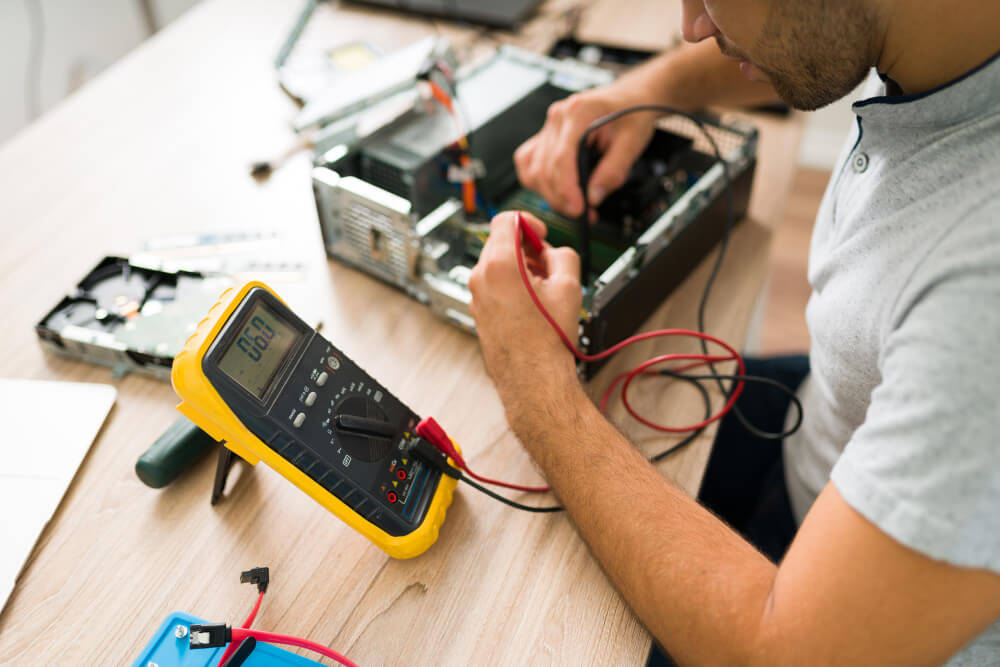
    A digital multimeter or DMM is an indispensable tool for electronics testing troubleshooting and repair. In this article, we will cover everything you need to know to use a digital multimeter for measuring voltage current resistance and continuity. Understanding how does a multimeter work is crucial for effective use. How Does A Multimeter Work? Here’s everything you need to know about using a digital multimeter: Choosing a Digital Multimeter The first step is selecting the right DMM for your needs. Consider accuracy input impedance and safety ratings for your intended electrical measurements. Entry-level basic meters are sufficient for most hobbyists though professionals require advanced true RMS models. Digital multimeter use varies based on the model’s capabilities. Also make sure your multimeter includes a diode test mode and continuity checker for full functionality. Using the Rotary Dial Modern digital multimeters have a rotary dial to select your desired measurement mode. Common settings include AC/DC voltage current ohms and continuity. Diode test mode will have its own dedicated button. Make sure to properly line up the dial with markings to choose your measurement range. Accidentally setting the wrong mode can damage the tool when taking readings. Understanding how does a multimeter work helps in selecting the correct mode. Measuring Voltage One of the most common uses for a DMM is measuring voltage. Set the dial to your desired AC or DC voltage range based on the expected reading on panel meter. The highest range that covers your voltage is ideal to prevent overloading the tool. Attach the […]

    Read More
  • What’s The Types Of Digital Multimeter

    16th Sep 2024

    This article sheds light on the three prevalent digital multimeter types – Fluke DMMs, clamp meters, and autoranging meters. Their key attributes, applications, and selecting the suitable one based on measurements, environment, and budget are explored. When selecting a DMM, the most important factors to consider are reliability, accuracy, safety features, and capabilities needed for your particular applications. While fancier models offer extras like wireless connectivity and data logging, the core functionality remains the same. For most users, a sturdy mid-range panel meter or DMM that balances affordability with performance will suffice. Here’s an overview of three of the most popular types of digital multimeters available and key differences that impact usability. Types of Digital Multimeter  Here are 3 of the most common types of multimeter: Fluke Digital Multimeters For electricians seeking the utmost precision, Fluke digital multimeters can’t be beat. Since 1948, Fluke has been perfecting their digital multimeter design to deliver accurate and reliable measurements. Whether in industrial plants, commercial buildings, or homes, Fluke DMMs consistently provide top-tier performance. Packed with advanced capabilities, Fluke meters aid electricians in troubleshooting issues and maintaining equipment optimally. Beyond voltage, current, and resistance, Fluke DMMs can measure an array of parameters. For instance, the Fluke 87V Industrial meter checks frequency, capacitance, temperature, duty cycle, and more. Special models even diagnose diode condition, test non-contact voltage, and identify motor winding problems. Strong protection circuits prevent damage from overvoltage and overloads. Fluke utilizes high-resolution displays and customized sampling to achieve lab-quality precision. Their user interfaces offer simple, intuitive operation […]

    Read More
  • The 8 Best Distribution Board Manufacturers of 2024

    15th Sep 2024

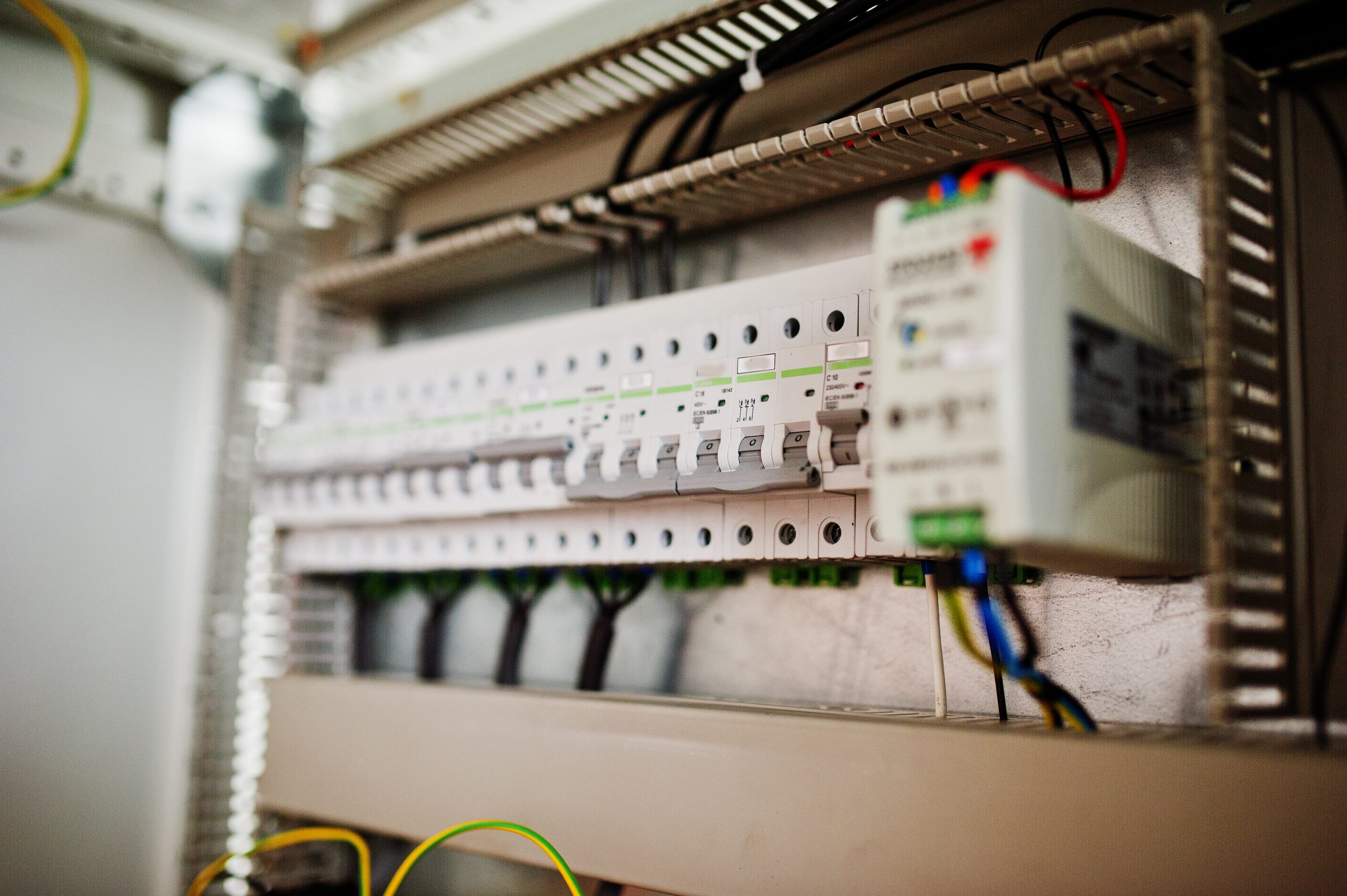
    The global demand for reliable and innovative electrical distribution continues to rise. To meet this need, distribution board manufacturers must provide safe, high-quality distribution boards suited for varied applications. Electrical panel board manufacturers play a crucial role in this industry. After extensive research, we’ve identified the top eight distribution board manufacturers leading the way in 2024. These distribution board manufacturers offer exceptional engineering, customization, cost-effectiveness and overall value across sectors like industrial, commercial, and residential. Hero Product Highlight TSD3 Plastic Distribution Board The TSD3 Plastic Distribution Board is designed for reliable electrical distribution, featuring a compact and durable plastic housing, ideal for residential and industrial use. View Product Distribution Board Manufacturers – Top 8 Picks Here’s an overview of the eight premier distribution board manufacturers to know this year and beyond. TOSUNLux Founded in China in 1994, TOSUNLux has grown into a major international distribution board manufacturer providing electrical distribution and lighting solutions. Their expansive product portfolio includes circuit breakers, switches, relays, contactors, stabilizers, panel meters, LED and fluorescent lighting, and of course, distribution boards. TOSUNLux leverages three decades of expertise to engineer reliable, customizable distribution boards for clients worldwide. As a leading manufacturer, their solutions provide power monitoring, protection and smart controls for optimal safety and efficiency. With a focus on continuous innovation, this manufacturer delivers advanced distribution technology with robust manufacturing capabilities and quality testing. Customers trust their boards to safely distribute power in factories, buildings, homes and more. Projoy Electric Projoy Electric, founded in 2011, has quickly earned a reputation as a […]

    Read More
  • What Is A Distribution Board?

    13th Sep 2024

    Discover how distribution boards distribute power to various parts of your home or business, ensuring proper performance and safety for your appliances and property.

    Read More
  • How Do Thermostat Controllers Work?

    11th Sep 2024

    Thermostat controllers are essential devices that regulate temperature in various environments. They ensure that heating or cooling systems maintain the desired temperature.  This article explains how thermostats work and what thermostats are used for, providing a clear understanding of their operation and importance. The Working Principle of Thermostat Controllers Thermostat controllers function by sensing the temperature in a specific area and adjusting the heating or cooling system accordingly. Here’s how the process works: Temperature Sensing Thermostats contain temperature-sensitive components, such as bimetallic strips or thermistors. These components detect changes in temperature and send signals to the thermostat control panel. Comparison to Setpoint Thermostats compare the current temperature to the desired setpoint, which is the temperature you want to maintain in the environment. If the temperature deviates from the setpoint, the thermostat takes corrective action. Activation of HVAC System Once the thermostat identifies that the temperature has strayed from the setpoint, it activates the heating or cooling system. This could involve turning on a furnace, air conditioner, or other HVAC equipment to adjust the temperature. Maintaining Temperature Thermostats continue to monitor the temperature and adjust the system until the setpoint is reached. Once the desired temperature is restored, the thermostat signals the system to stop, preventing overheating or overcooling. For example, Tosunlux’s SRT1150J thermostat offers accurate and reliable temperature control for various applications, ensuring consistent performance. Types of Thermostats and Their Functions What are the types of thermostats? The most common types of thermostats are mechanical, digital, and smart thermostats. Mechanical Thermostats These use physical components […]

    Read More
  • Temperature Controller 101: A Complete Guide

    11th Sep 2024

    In modern industries and daily life, regulating temperature is crucial for ensuring the efficiency, safety, and longevity of systems and equipment.  That makes temperature control systems vital. This guide will help you understand the basics of a temperature controller, how it works, and how Tosunlux’s digital temperature controllers can provide reliable solutions for your needs. What Is a Temperature Controller? What is a temperature controller? A temperature controller is a device designed to maintain a desired temperature within a specific environment. It monitors and adjusts the heating or cooling processes of an area and it does this by comparing the actual temperature to a setpoint and making corrections as necessary. Whether you’re working with a refrigeration system, a kiln, or a process requiring precision heating, a temperature control system ensures that temperatures remain stable, preventing potential damage to equipment or compromised product quality. Types of Temperature Controllers What are the types of temperature controllers? The types of temperature controllers, or at least some of the most common ones, are:  On/Off Controllers; Proportional Controllers; and PID Controllers On/Off Controllers These controllers are simple and ideal for applications where precise control isn’t that important. What do they do? They switch the output fully on when the temperature falls below the setpoint and fully off when it exceeds it. Proportional Controllers Proportional controllers are more sophisticated than on/off controllers. They modulate the output to ensure smoother control by reducing the power as the temperature nears the setpoint, minimizing overshooting and undershooting. PID Controllers PID (Proportional-Integral-Derivative) controllers are the […]

    Read More
  • What Are the Different Types of Thermostat Controllers?

    10th Sep 2024

    Thermostat controllers are devices needed to maintain temperature control in homes, commercial spaces, and industrial environments.  Let’s explore the different types of thermostat controllers and their applications to help you choose the right one for your needs. 5 Types of Thermostat Controllers What are the different types of thermostat controllers? The types of thermostat controllers are: Manual thermostat controllers; Programmable thermostat controllers; Smart thermostat controllers; WiFi thermostat controllers; and Line voltage thermostat controllers 1. Manual (Non-Programmable) Thermostat Controllers Manual thermostats are the most basic type of temperature controller. These thermostats allow users to manually adjust the temperature by turning a dial or pressing buttons. They do not have any programming features, which means you need to adjust the temperature each time you want to make changes. Best for: Small homes or areas where temperature control isn’t required to change frequently. 2. Programmable Thermostat Controllers A programmable thermostat allows users to set a schedule for temperature changes throughout the day. You can program it to lower the temperature while you’re asleep or at work and then automatically adjust when you’re home. This provides energy savings and added convenience. Best for: Homes and offices where temperature control can vary based on the time of day or occupancy. 3. Smart Thermostat Controllers Smart thermostats are internet-connected devices that allow users to control temperature settings remotely via a smartphone or computer. These thermostats can learn your preferences over time and adjust automatically, offering advanced energy-saving options. Some models also integrate with voice-activated assistants like Alexa or Google Home. Best […]

    Read More
  • Temperature Controller Common Troubleshooting and Problems

    09th Sep 2024

    Temperature controllers are essential to maintain the desired temperature in various systems like industrial machineries, HVAC systems, and home appliances. But like any other equipment, they can occasionally face issues.  Let’s go over common problems with temperature controllers, troubleshooting tips, and how Tosunlux’s temperature controllers can help you avoid these issues. 5 Common Problems with Temperature Controllers What are the common problems people encounter with temperature controllers? The common problems with temperature controllers are:  Inaccurate temperature readings;  Controller not responding to setpoint changes; Overshooting or undershooting the setpoint; Temperature fluctuations; and Faulty output Inaccurate Temperature Readings One of the most common problems is inaccurate temperature readings. This can be due to a faulty sensor, poor sensor placement, or incorrect calibration. Solution: Check the sensor for damage and ensure it’s properly placed. Recalibrate the controller according to the manufacturer’s guidelines. Controller Not Responding to Setpoint Changes Sometimes, the temperature controller may not respond to adjustments in the setpoint. This can be due to a malfunction in the control panel or wiring issues. Solution: Inspect the wiring connections and control panel for any loose or damaged parts. Reset the controller if necessary and verify that the setpoint is within an acceptable range. Overshooting or Undershooting the Setpoint Another common issue is when the temperature controller overshoots or undershoots the setpoint. This typically occurs in older models or when the PID parameters are not correctly set. Solution: Reconfigure the PID settings to fine-tune the control system. If the issue persists, consider upgrading to a more modern and responsive […]

    Read More
Loading...