: +86-139 0587 7291
 English
 Español
 Русский
 Français
 العربية
 Português do Brasil
 Українська
 Türkçe
 Polski
 Nederlands
 Italiano
 Bahasa Indonesia
 हिन्दी
 اردو
اردو አማርኛ
አማርኛ Հայերեն
 ไทย
ไทย Монгол
 فارسی
فارسی Shqip
Shqip Ελληνικά

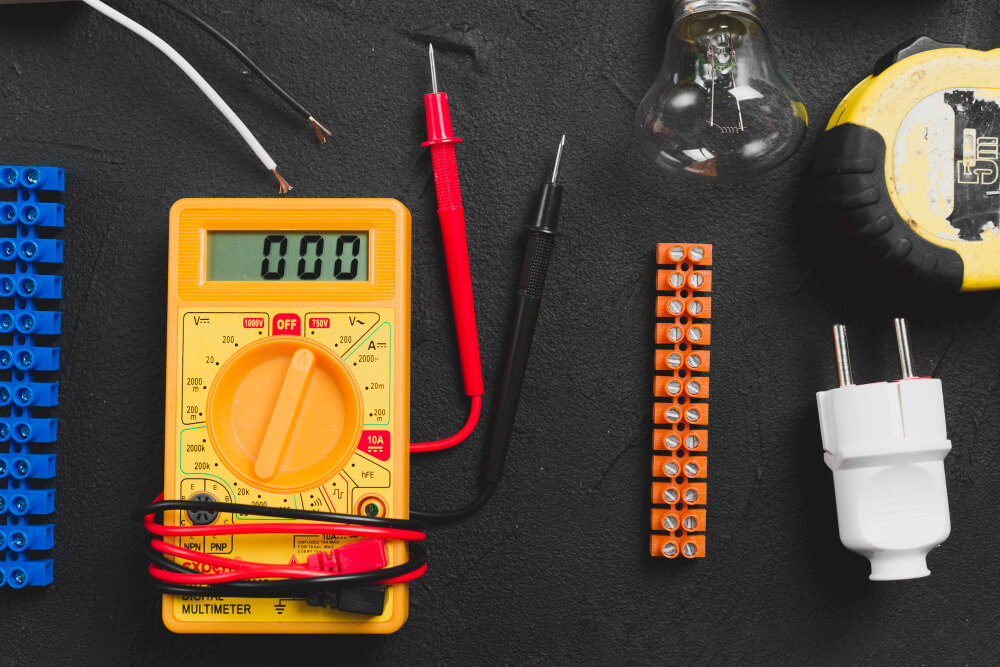
How to Choose a Digital Multimeter
20th Sep 2024
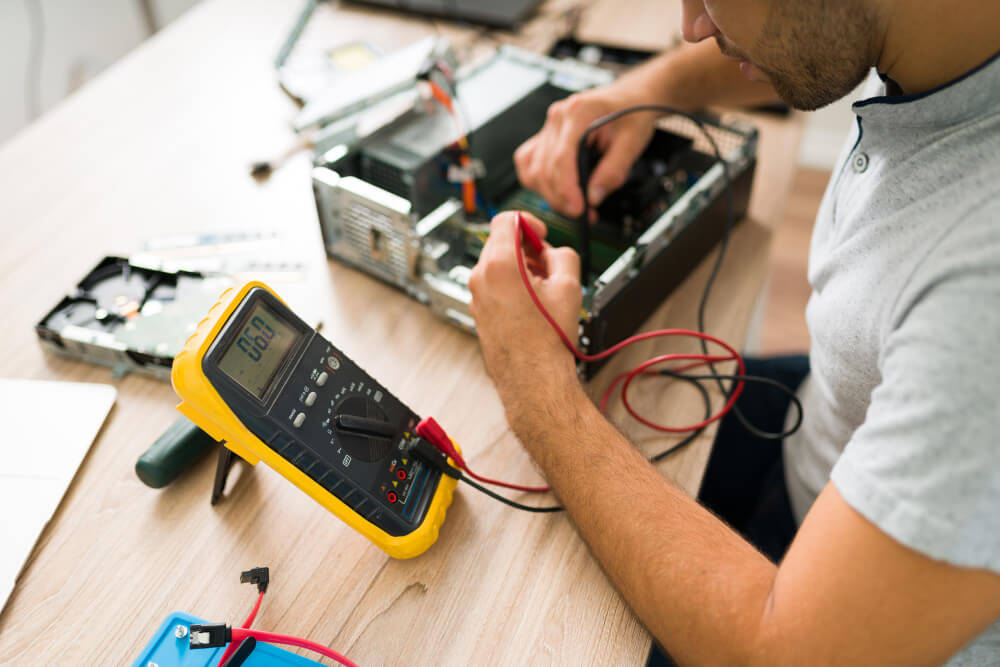
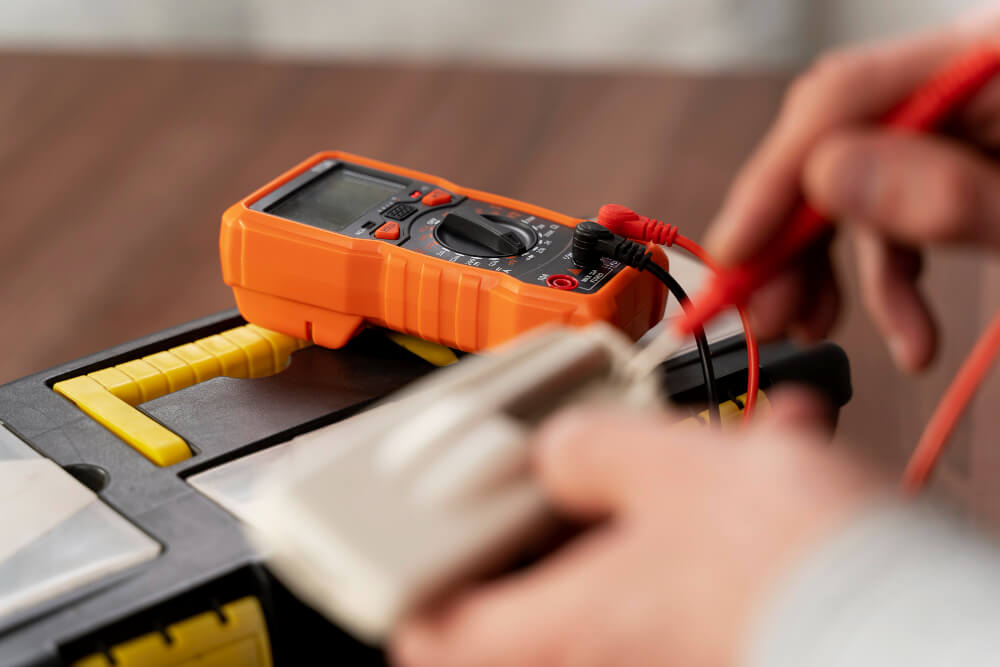
When buying your first digital multimeter, prioritizing safety certifications and general specifications suitable for basic use is crucial. Auto-ranging models provide simplicity for beginners without compromising accuracy. A multimeter is an essential tool for every business and hobbyist. If you’ve never purchased one before, the process can be daunting given the numerous technical specifications and models available. In this article, we will walk through the key factors to consider when selecting a digital multimeter for home use and provide recommendations for good multimeter brands. Selecting a Digital Multimeter – Things to Consider Here are a few things to keep in mind while learning how to choose a multimeter: The Type of Multimeter The first decision is whether to opt for a manual ranging or auto ranging multimeter. In manual ranging meters, you must know the approximate range of voltage, resistance, or current expected and manually set the range on the meter. Auto ranging models detect the measurement range and select it automatically for you. This added convenience makes auto ranging multimeters ideal for beginners and everyday industrial use. When considering how to choose a good multimeter for beginner, auto-ranging models are often recommended. Related Reading: Digital Multimeter Types Maximum Voltage Consider the maximum voltage you need to measure. General-purpose digital multimeters suitable for around-the-facility electrical tasks usually measure up to around 600 volts. Auto-electricians working on high voltage auto systems will require meters that go up to 40,000 volts or more. For simple home use, 600 volts is sufficient. Anything beyond that is overkill. Resolution […]
Read More