: +86-139 0587 7291
 English
 Español
 Русский
 Français
 العربية
 Português do Brasil
 Українська
 Türkçe
 Polski
 Nederlands
 Italiano
 Bahasa Indonesia
 हिन्दी
 اردو
اردو አማርኛ
አማርኛ Հայերեն
 ไทย
ไทย Монгол
 فارسی
فارسی Shqip
Shqip Ελληνικά

Which Solar Charge Controller is Better: MPPT or PWM?
14th Aug 2024
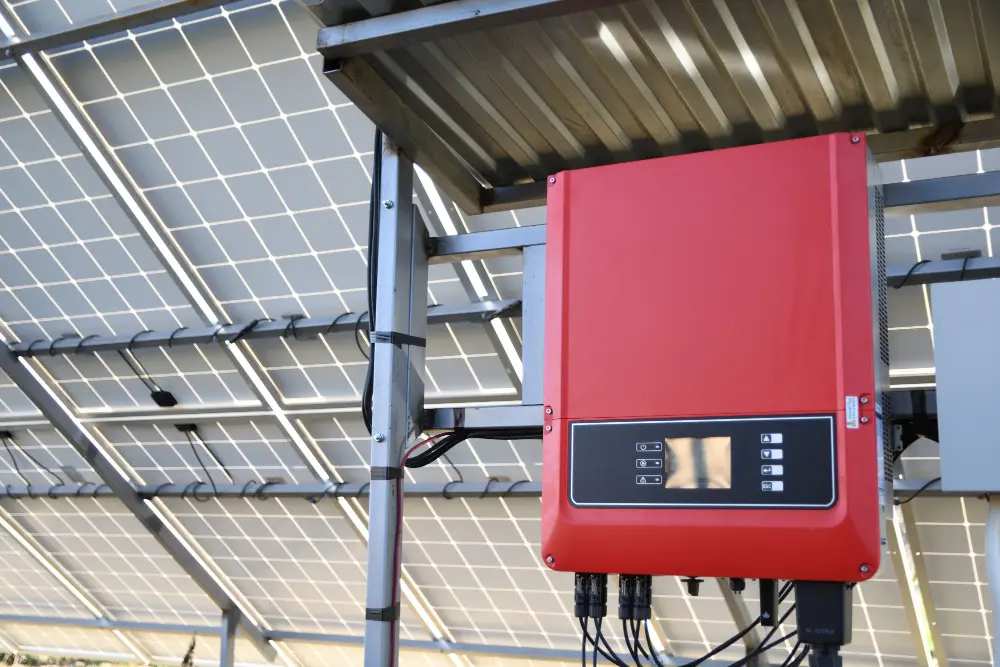
As the renewable energy industry has boomed, incorporating solar power into off-grid and backup applications has become more commonplace. When assembling these systems, selecting the right charge controller type is a key decision. But with MPPT and PWM options available, which is the better performing technology for most use cases? Let’s take a deeper look. PWM Vs MPPT Solar Charge Controller – Which is Better? Here’s how you can select which solar charge controller is better for you: Maximizing Harvest At their core, all solar charge controllers aim to efficiently charge batteries from PV panels. But MPPT (Maximum Power Point Tracking) controllers have an advantage in maximizing the energy harvest from photovoltaics. Through actively tracking the panel’s power point and optimizing voltage/current levels, MPPT can extract up to 30% more juice compared to PWM solar charge controller (Pulse Width Modulation) designs under normal conditions. This is because PWM controllers simply regulate voltage, missing out on accessible higher power levels as sun intensity and temperatures change throughout the day. For applications where squeezing every last watt-hour matters, like remote telecom towers or large off-grid homes, MPPT’s superior yield makes it the logical choice. Amortized over the lifetime of the system, its higher initial cost pays off. Wider Compatibility However, PWM controllers have the benefit of operating over a wider input voltage range. While MPPT works best matched to a specific panel series, PWMs can interface with a broader assortment of modules without performance loss – a plus for situations involving replacement panels down the road. Their […]
Read More