 : +86-139 0587 7291
 English
 Español
 Русский
 Français
 العربية
 Português do Brasil
 Українська
 Türkçe
 Polski
 Nederlands
 Italiano
 Bahasa Indonesia
 हिन्दी
 اردو
اردو አማርኛ
አማርኛ Հայերեն
 ไทย
ไทย Монгол
 فارسی
فارسی Shqip
Shqip Ελληνικά

Solar PV System Protection: A Complete Guide to DC/AC Circuit Breakers, Fuses, and SPDs
Table of Contents
ToggleSolar PV system protection is not handled by one device alone. A complete system usually needs coordinated protection on both the DC side and the AC side, including breakers, fuses, and surge protective devices.
In practical projects, the protection design should match the location of the fault risk: string circuits, combiner boxes, inverter inputs, inverter AC outputs, and grid connection points all require different protection logic.
This guide explains where each device is used, what problem it solves, and what buyers should confirm before selecting protection components for a PV installation.
Why Do Solar PV Power Systems Need Protection?
PV systems face a different protection challenge from standard low-voltage AC distribution. The DC side can operate at high voltage; the fault current behavior is different, and the arc is harder to interrupt than in AC circuits.
Protection is therefore distributed across the system. String fuses help limit reverse current risk between parallel strings. DC circuit breakers provide isolation and fault interruption. SPDs reduce the impact of transient overvoltage, especially in exposed outdoor installations. On the inverter output side, AC breakers protect the connection to the load or grid.
A good PV protection design is not only about preventing damage. It also helps maintenance teams isolate sections safely, reduces downtime, and supports compliance with project requirements.
What Are the Main Types of Solar Circuit Protection?
Solar PV systems require DC protection for high-voltage arrays and AC protection for grid connections. Each side handles different electrical characteristics and fault types.
Key protection points include:
- String-level fuses for individual solar panel groups
- Array-level circuit breakers for combined strings
- Surge protective devices for lightning protection
- AC circuit breakers for grid-connected equipment

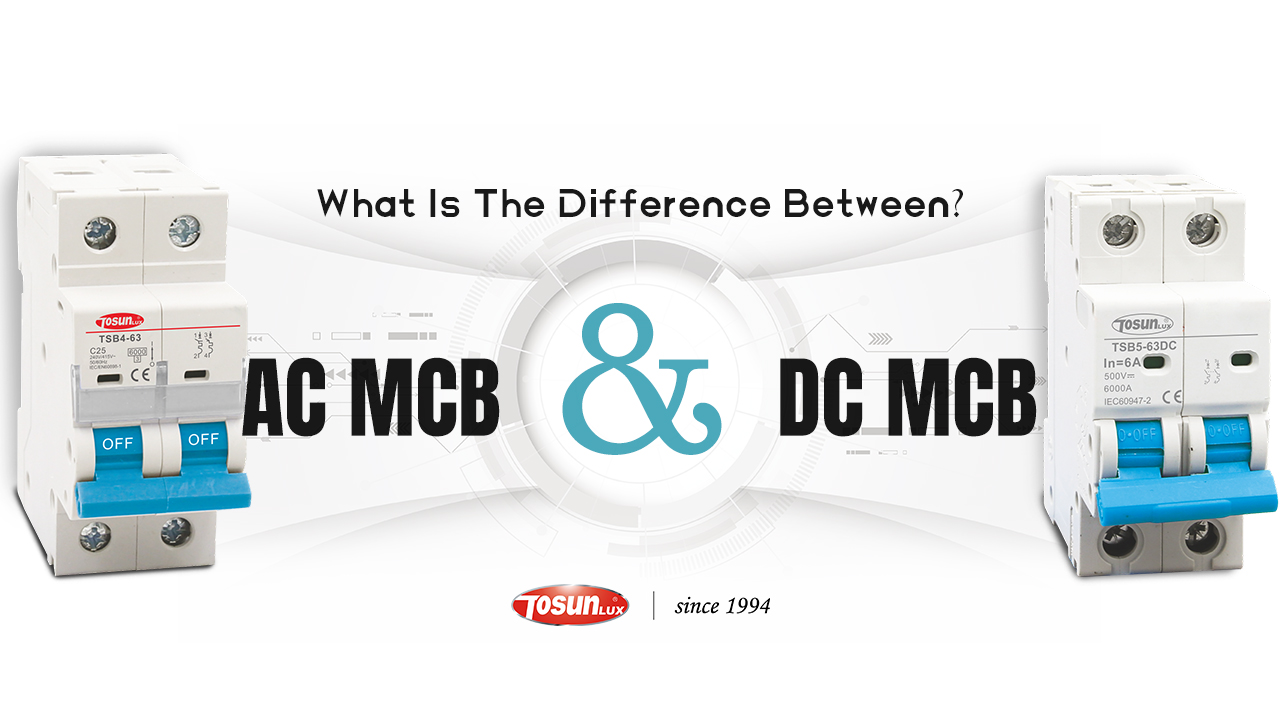
TOSUNlux DC circuit breakers handle up to 6000A breaking capacity for commercial solar arrays.
Where Each Protection Device Is Installed in a PV System
Protection devices should be selected according to their position in the system rather than treated as interchangeable parts.
At the string level, PV fuses are commonly used to protect individual strings against reverse current. In combiner boxes, DC breakers and SPDs are often added to improve fault isolation and surge protection. At the inverter input, DC isolators and breakers support safe shutdown and service access. At the inverter AC output, AC circuit breakers protect the downstream load side or grid connection.
For buyers, the key point is simple: device type, voltage rating, current rating, and installation position must match the actual section of the PV system.
How Do DC Circuit Breakers Work in Solar Systems?
DC circuit breakers handle the specific requirements of solar DC circuits. These devices must interrupt DC current without the natural zero-crossing that helps AC breakers extinguish arcs.
TOSUNlux TSB5-63DC Circuit Breaker has a modular design with a breaking capacity of up to 6000A and rated voltage of 800V. It offers 1P, 2P, 3P, 4P configurations for different system requirements.
DC circuit breakers offer several benefits:
- Reset without replacing parts
- Built-in disconnect for maintenance
- Remote operation for system control
- Visual trip status indication
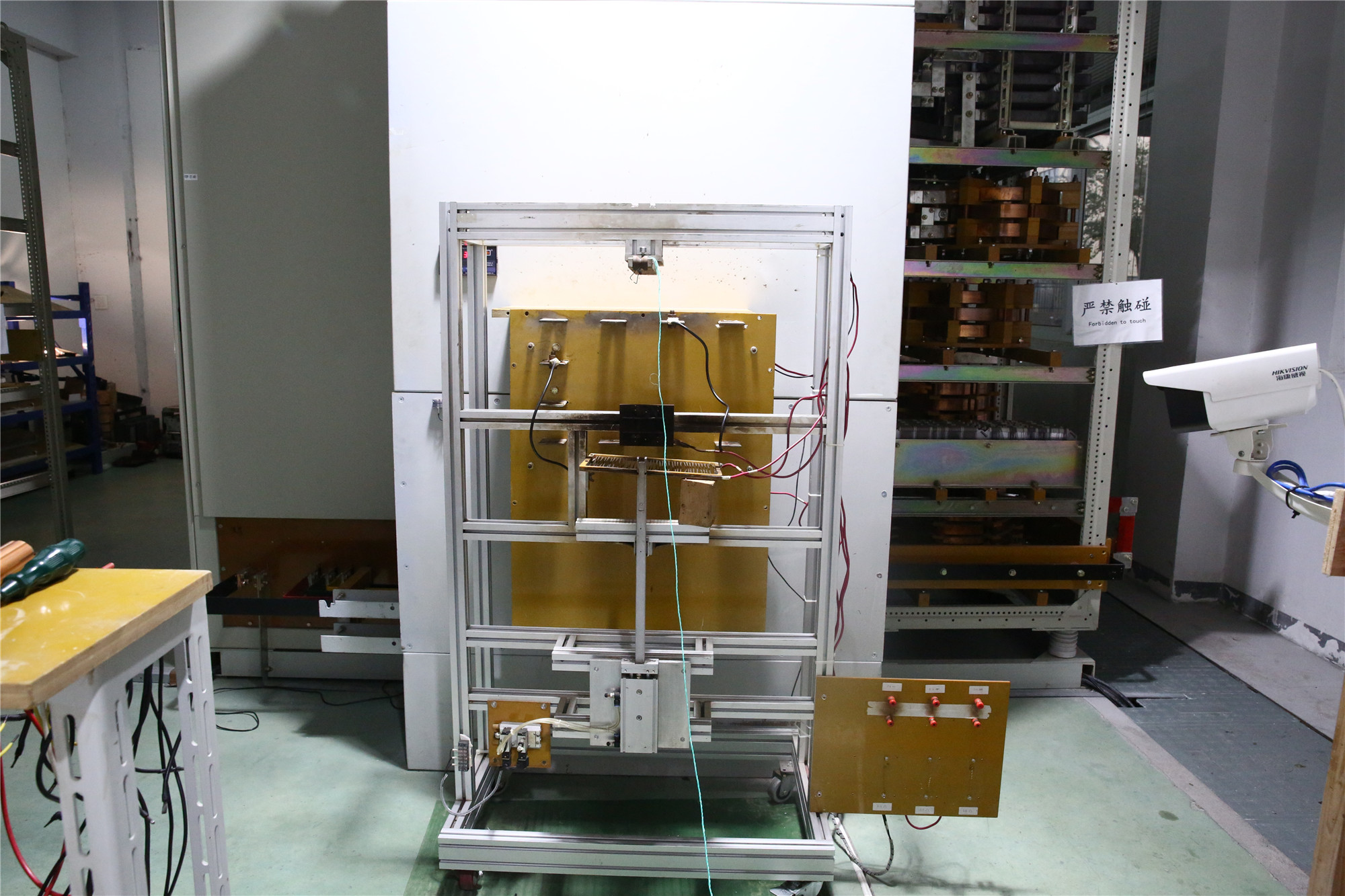
These devices pass testing per IEC60947-2 standards and require INTERTEK certification.
Why Are Fuses Important for Solar String Protection?
Solar string fuses provide protection against reverse current flow when panels are shaded or damaged. Fuse for solar energy system installations use specialized DC-rated devices that operate at low fault currents.
PV fuses have faster response times than circuit breakers for string protection. They provide higher DC breaking capacity up to 50kA and work well in temperatures from -40°C to +90°C.
Fuse benefits include:
- Lower cost per protection point
- Smaller size
- No wear over time
- Better coordination
Solar fuses must meet IEC 60269-6 (gPV) and UL 248-19 standards for reliable operation.
What Role Do Surge Protective Devices Play?
Lightning strikes can destroy unprotected solar equipment in seconds. Solar PV surge protectors divert dangerous voltage spikes to ground before they reach inverters and control systems.
TOSUNlux Solar PV Surge Protectors have CE and UKCA certifications from INTERTEK. They pass DC600V, DC800V, and DC1000V certification tests. These devices offer 2 or 3-pole configurations with a modular design.
Surge protection becomes critical when considering replacement costs for damaged inverters and monitoring equipment.
DC surge devices must handle:
- Maximum voltage above system voltage
- Expected surge in current levels
- Voltage protection level for equipment
- Type 1 or Type 2 rating based on location
How Do AC Circuit Breakers Protect Solar Inverters?
AC circuit breakers on solar systems handle different loads than DC breakers. Choosing the right circuit breakers for solar PV inverter protection involves matching breaker ratings to inverter output specifications.
AC breakers must handle inverter startup currents and harmonic distortion from power conversion. Standard AC breakers work but may trip unnecessarily without proper sizing.
The AC vs DC isolator switch choice affects maintenance procedures. AC disconnects follow standard electrical codes while DC isolation requires special arc-rated devices.
What Is Protection Coordination in Solar Systems?
String fuses must clear faults before the array breakers trip. This prevents the entire array from shutting down when only one string has problems. Without proper coordination, a single string fault can disable the whole system.

Use time-current curves to select device ratings. A 15A string fuse should clear in 0.1 seconds, while the 125A array breaker takes 1 second. This 10:1 time ratio ensures selectivity.
Coordination also requires matching with utility grid protection and rapid shutdown code requirements for first responder safety.
How Do Environmental Factors Affect Protection Devices?
Solar installations face harsh outdoor environments, including temperature extremes, humidity, UV exposure, and mechanical vibration. Protection devices must maintain performance across these conditions with appropriate IP ratings.
Ambient temperature affects device performance and ratings. High-temperature locations require derating calculations to ensure safe operation within manufacturer specifications.
Environmental considerations include:
- IP65 or higher ratings for outdoor installations
- UV-resistant materials for long-term durability
- Temperature derating factors for hot climates
- Corrosion resistance for coastal environments
FAQs
What protection is required for solar PV systems?
Solar systems need DC circuit breakers or fuses for string protection, array-level protection devices, surge protective devices for lightning protection, and AC circuit breakers for inverter output protection.
Why can’t standard circuit breakers be used for solar DC applications?
Standard AC circuit breakers cannot reliably interrupt DC current because DC circuits lack the natural zero-crossing that helps extinguish electrical arcs. Solar-specific DC devices are required.
How do I size protection devices for my solar installation?
Protection device sizing depends on solar panel short-circuit current, system voltage calculations, and conductor ampacity. Use factors of 1.25 or 1.56 times short-circuit current, depending on device type.
What Buyers Should Confirm Before Ordering PV Protection Devices
Before ordering PV protection components, confirm the maximum system voltage, string current, number of parallel strings, inverter configuration, and installation environment.
It is also important to check whether the project requires DC-side isolation, surge protection on both DC and AC sides, and specific certification or test standards for the target market.
If the protection list is still unclear, start with the system structure first: string, combiner box, inverter DC input, inverter AC output, and grid connection. That is the fastest way to avoid mismatched devices.
Conclusion
Solar systems need special circuit breakers, fuses, and surge protectors designed for DC applications. These devices handle high voltages and low fault currents that standard equipment cannot. Proper protection keeps equipment safe and meets safety codes throughout the system’s life.
Tel: +86-577-88671000
E-mail: ceo@tosun.com
Skype: tosunelectric
Wechat: +86-139 6881 9286
WhatsApp: +86-139 0587 7291
Address: Room No.1001 Wenzhou Fortune Center,Station Road, Wenzhou, China
REQUEST A QUOTE
WhatsApp us