 : +86-139 0587 7291
 English
 Español
 Русский
 Français
 العربية
 Português do Brasil
 Українська
 Türkçe
 Polski
 Nederlands
 Italiano
 Bahasa Indonesia
 हिन्दी
 اردو
اردو አማርኛ
አማርኛ Հայերեն
 ไทย
ไทย Монгол
 فارسی
فارسی Shqip
Shqip Ελληνικά

3-Pole vs. 4-Pole Isolator Switches: When and How to Use Each
Table of Contents
ToggleIn a three-phase system, the choice between a 3-pole and a 4-pole isolator switch depends on one key question: Does the neutral also need to be disconnected?
A 3-pole isolator disconnects the three live conductors only. A 4-pole isolator disconnects the three phases plus the neutral, which is often preferred in generator connections, PV systems, TT earthing arrangements, and installations with sensitive electronic loads.
This guide explains the practical difference when each option is used, what mistakes to avoid, and how to make a safer selection for industrial and commercial projects.

Understanding the Basics: What Is a 4-Pole Isolator Switch?

A four-pole (4P) isolator switch is an electrical disconnect device that isolates four conductors simultaneously—usually three live wires (R, Y, B) and one neutral. This type of isolator is designed for systems where it’s essential to disconnect the neutral along with the phases, such as in TN-C-S earthing systems or solar installations.
- It disconnects all three phases plus the neutral for full circuit isolation.
- It enhances safety by ensuring no return current flows through the neutral during maintenance.
- It’s essential for applications like solar, generator connections, or systems with fluctuating loads.
Comparing 3-Pole and 4-Pole Isolator Switches
| Feature | 3-Pole Isolator Switch | 4-Pole Isolator Switch |
| Number of Conductors | 3 (Phases R, Y, B) | 4 (Phases R, Y, B + Neutral) |
| Neutral Isolation | Not Included | Included |
| Application Use | Standard 3-phase loads | Critical loads, solar, and generator systems |
| Safety Level | Medium | High (complete disconnection) |
| Compliance Requirement | Basic | Often required for grid-tied applications |
How to Decide Between 3-Pole and 4-Pole in Real Projects
The selection is usually based on whether the neutral must remain connected or must be isolated together with the live conductors.
Choose a 3-pole isolator when the load is a standard three-phase motor or machine and neutral isolation is not required by the system design. This is common in motor control panels, pumps, compressors, and general industrial loads.
Choose a 4-pole isolator when the neutral must also be disconnected for safety, maintenance, or compliance reasons. This is more common in generator-backed systems, solar installations, TT earthing systems, and circuits serving sensitive electronic equipment.
As a practical rule, if the application involves source switching, shared neutral concerns, or a requirement for full isolation during maintenance, a 4-pole isolator is usually the safer option.
When to Use a 3-Pole Isolator Switch
A 3-pole isolator switch is ideal for standard three-phase systems that don’t require neutral isolation. It’s commonly used in:
- Industrial motors
- HVAC systems
- Water pumps
- Machine tools
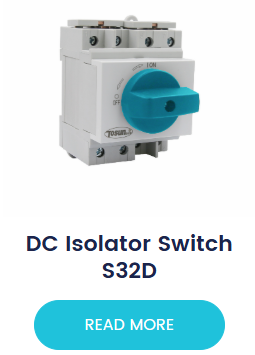
As a standard AC isolator switch for three-phase loads, the 3-pole variant is cost-effective and widely available. These switches are sufficient when the neutral is grounded elsewhere or doesn’t carry current under fault conditions.
When to Use a 4-Pole Isolator Switch
Use a 4-pole isolator switch when neutral disconnection is essential. This includes:
Solar PV Systems
Solar PV Systems: A reliable isolator switch for solar panel installations must isolate both DC and AC sides, including the neutral, for safe maintenance.
Generator Systems
When switching between the grid and generator, to prevent back-feed or a floating neutral.
Sensitive Loads
In data centers or medical facilities, neutral fluctuations can damage equipment.
TT or TN-C-S Systems
Where breaking all conductors, including neutral, is required for compliance.
4-Pole Isolator Switch Wiring Diagram: How to Connect
A 4-pole isolator switch wiring diagram typically includes:
- Three-phase inputs (R, Y, B)
- Neutral input (N)
- Outgoing load terminals (connected in-line)
Each pole corresponds to one conductor, and all poles are mechanically linked to operate together. When the switch is turned off, all four lines are physically separated, eliminating live contact risks. Always refer to the installation manual and local codes when wiring.
Benefits of Using a 4-Pole Isolator Switch
Switching to a four-pole isolator provides benefits beyond just compliance:
- Enhanced Safety: Prevents residual or leakage current from flowing through the neutral.
- Improved Protection: Neutral faults can cause serious equipment damage if not disconnected.
- System Compatibility: Works well with TN-C-S and TT earthing systems where complete disconnection is required.
- Versatility: Suitable for a range of applications, including backup generators, solar, EV charging stations, and more.
Common Mistakes to Avoid When Choosing Isolators
The most common isolator selection mistake is focusing only on the current rating while ignoring the neutral and the actual switching scenario.
Another mistake is using a 3-pole isolator in applications where full neutral isolation is expected, such as generator supply switching or certain PV and TT system layouts. This can leave part of the circuit still referenced and create maintenance risk.
Buyers should also verify voltage class, utilization category, enclosure requirement, and installation environment. Outdoor or rooftop installations may require different protection levels from indoor panel applications.
- Ignoring the Neutral: In systems with shared neutrals, using only a 3-pole isolator may leave the circuit partially energized.
- Incorrect Rating: Always ensure the isolator switch current and voltage rating match your application.
- Poor Quality: Avoid uncertified switches. A switch without proper certification risks electrical failure or fire.
How TOSUNlux Helps You Make the Right Choice
Find Your Solution with TOSUNlux. Whether your project calls for a robust 3-pole isolator switch or the enhanced safety of a 4-pole isolator switch, TOSUNlux offers a fully certified, high-performance solution. With over 30 years of global expertise, TOSUNlux ensures reliable isolator switches for:
- Power distribution boards
- Solar PV systems
- Industrial automation
- Agricultural applications
Explore more about isolator switches here:
FAQ
What is a 4-pole isolator switch?
A 4-pole isolator is an electrical switch that disconnects three-phase lines and the neutral wire simultaneously for complete isolation and safety.
When should I use a 4-pole isolator switch?
Use it when neutral disconnection is required, such as in generator systems, solar PV setups, or sensitive equipment circuits.
Is a 3-pole isolator switch enough for most industrial applications?
Yes, if neutral isolation is not critical, a 3-pole isolator switch is commonly used in motors and HVAC systems.
How does a 4-pole isolator improve safety?
It disconnects the neutral, preventing unexpected current loops, which reduces electric shock risk and equipment failure.
Where can I find a 4-pole isolator switch wiring diagram?
Most manufacturers provide it with the product manual. You can also view sample layouts on industry forums or through TOSUNlux resources.
What is the difference between a 3-pole and a 4-pole isolator switch?
A 3-pole isolator disconnects only the three-phase conductors (R, Y, B), while a 4-pole isolator also disconnects the neutral wire, providing complete circuit isolation. The 4-pole version is required in solar PV systems, generator setups, and TN-C-S earthing systems.
Do I need a 4-pole isolator for solar panels?
Yes, for grid-tied solar PV installations, a 4-pole isolator switch is typically required to disconnect both the phase and neutral conductors during maintenance, ensuring full isolation from the grid.
Can I use a 3-pole isolator switch with a generator?
A 3-pole isolator can be used with a generator if the neutral is solidly grounded.
Conclusion
Choosing the right isolator switch isn’t just about compliance — it’s about ensuring the safety and reliability of your entire electrical system. A 3-pole isolator switch serves well for basic three-phase applications, but a 4-pole isolator takes safety to the next level, making it ideal for critical or outdoor applications.
Remember, TOSUNlux stands ready to support your needs worldwide. Find certified solutions that keep your systems secure, whether you’re working on industrial machinery or outdoor installations.
Tel: +86-577-88671000
E-mail: ceo@tosun.com
Skype: tosunelectric
Wechat: +86-139 6881 9286
WhatsApp: +86-139 0587 7291
Address: Room No.1001 Wenzhou Fortune Center,Station Road, Wenzhou, China
REQUEST A QUOTE
WhatsApp us