 : +86-139 0587 7291
 English
 Español
 Русский
 Français
 العربية
 Português do Brasil
 Українська
 Türkçe
 Polski
 Nederlands
 Italiano
 Bahasa Indonesia
 हिन्दी
 اردو
اردو አማርኛ
አማርኛ Հայերեն
 ไทย
ไทย Монгол
 فارسی
فارسی Shqip
Shqip Ελληνικά

Difference Between an Automatic Transfer Switch and a Changeover Switch
Table of Contents
ToggleWhen a project needs to switch between utility power and a backup source, the real question is not simply “which switch is better,” but “how much automation does the system need?”
An automatic transfer switch is usually selected when the system must detect power loss and transfer the load with minimal manual action. A changeover switch is often selected when the source switching itself is required, but generator start-stop control or automatic monitoring is not.
This article compares the two from a practical project perspective, including switching logic, downtime risk, generator coordination, and typical use cases.
Understanding the Basics: ATS vs. Changeover Switch
Let’s start with what they are.
An automatic transfer switch (ATS) is a smart device. It continuously monitors your main power supply and, when an outage or drop is detected, it automatically switches to your backup source (usually a generator) and can even start the generator itself.

A changeover switch, on the other hand, simply shifts the power connection between two sources. It can be manual or automatic, but most basic models don’t start or stop a generator—they just switch the power lines once the alternate source is already running.
In short, an ATS offers automation and speed, while a changeover switch focuses on simple source switching without generator control.
How Each Device Works
Automatic Transfer Switch (ATS)
An ATS stays on alert 24/7. It’s wired into both your utility and backup power lines. An ATS automatic transfer switch changeover system instantly responds when it detects a power outage or voltage drop. It starts the generator, waits until stable, transfers the load, and switches back when utility power is restored.
- Signals the backup generator to start
- Waits for the generator to stabilize
- Transfers the load from utility to generator
- Switches back automatically when utility power is restored
This kind of ATS automatic transfer switch changeover is ideal for setups where even a few seconds of downtime could cause major disruption—like hospitals, data centers, or security systems.

Automatic Changeover Switch
An automatic changeover switch also transfers load between two sources but doesn’t manage the generator itself. It typically activates once the generator is already up and running, or once a second power source (like an inverter or secondary utility feed) is available.
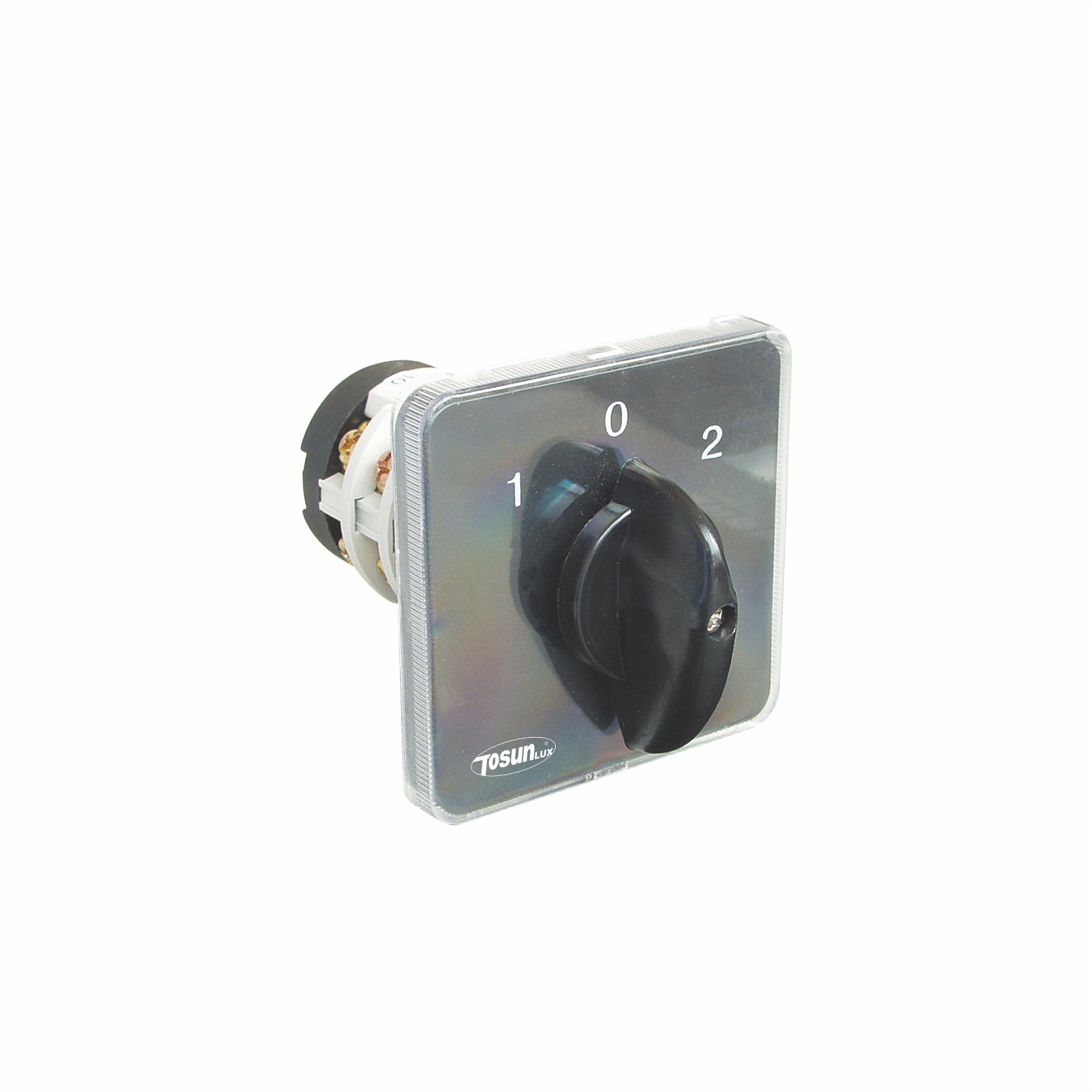
TOSUNlux offers industrial-grade Automatic Changeover Switches with options for 2P, 3P, and 4P connections, handling up to 1000V and built with thermal overload protection, phase detection, and clear indicator lights. These are designed for commercial and industrial settings where simple but reliable switching is key.
ATS vs. Changeover Switch: Clear Comparison
To make it easier to see how these devices differ, here’s a simple side-by-side view of their main features:
| Feature | Automatic Transfer Switch (ATS) | Automatic Changeover Switch |
| Monitors utility and backup power | ✅ | ✅ |
| Starts/stops generator | ✅ | ❌ |
| Fully automated switching | ✅ | ✅ |
| Suitable for critical loads | ✅ | ⚠️(Only if manual generator start is acceptable) |
| Manual control option | Optional | Common |
| Typical cost | Higher | Lower |
| Maintenance needs | Moderate | Low |
The automatic changeover switch vs automatic transfer switch decision really comes down to how critical your power continuity is—and whether you need the switch to control your generator directly.
Which One Fits Your Application Better?
Choose an ATS when the load is critical, and the system must respond quickly to a utility failure. This is more common in telecom rooms, fire protection systems, essential building services, and applications where even short downtime creates operational risk.
Choose a changeover switch when the project needs source selection but not full generator automation. This is often suitable for smaller facilities, basic backup arrangements, or systems where operators are available to supervise the transfer process.
If the project involves grid and generator coordination, or the source transfer must happen with minimal delay, ATS is usually the better choice. If the goal is simpler source switching at a lower cost, a changeover switch may be enough.
When to Use Each One
Now that you understand how they work, let’s talk about when to use an ATS vs. a changeover switch. Choosing the right one depends on how critical your operations are and how much control you want from the system.
If you operate in an environment where any power interruption is unacceptable—like hospitals, data centers, telecom rooms, or manufacturing lines—an ATS is the clear choice. It handles everything automatically: detecting the outage, starting the generator, and transferring power without needing human input.
On the other hand, a changeover switch is better suited for setups where a brief pause is acceptable or a generator is already started manually or through another controller. These switches are common in:
- Warehouses and workshops
- Small businesses
- Backup systems for homes
- Agricultural sites with two power feeds
Changeover switches are also easier to install and more budget-friendly, especially when generator automation isn’t a priority.

Inside TOSUNlux’s Automatic Changeover Switch
TOSUNlux manufactures a line of Automatic Changeover Switches specifically built for industrial and commercial use. These switches make it easy to switch between power sources and include built-in protection and monitoring functions.
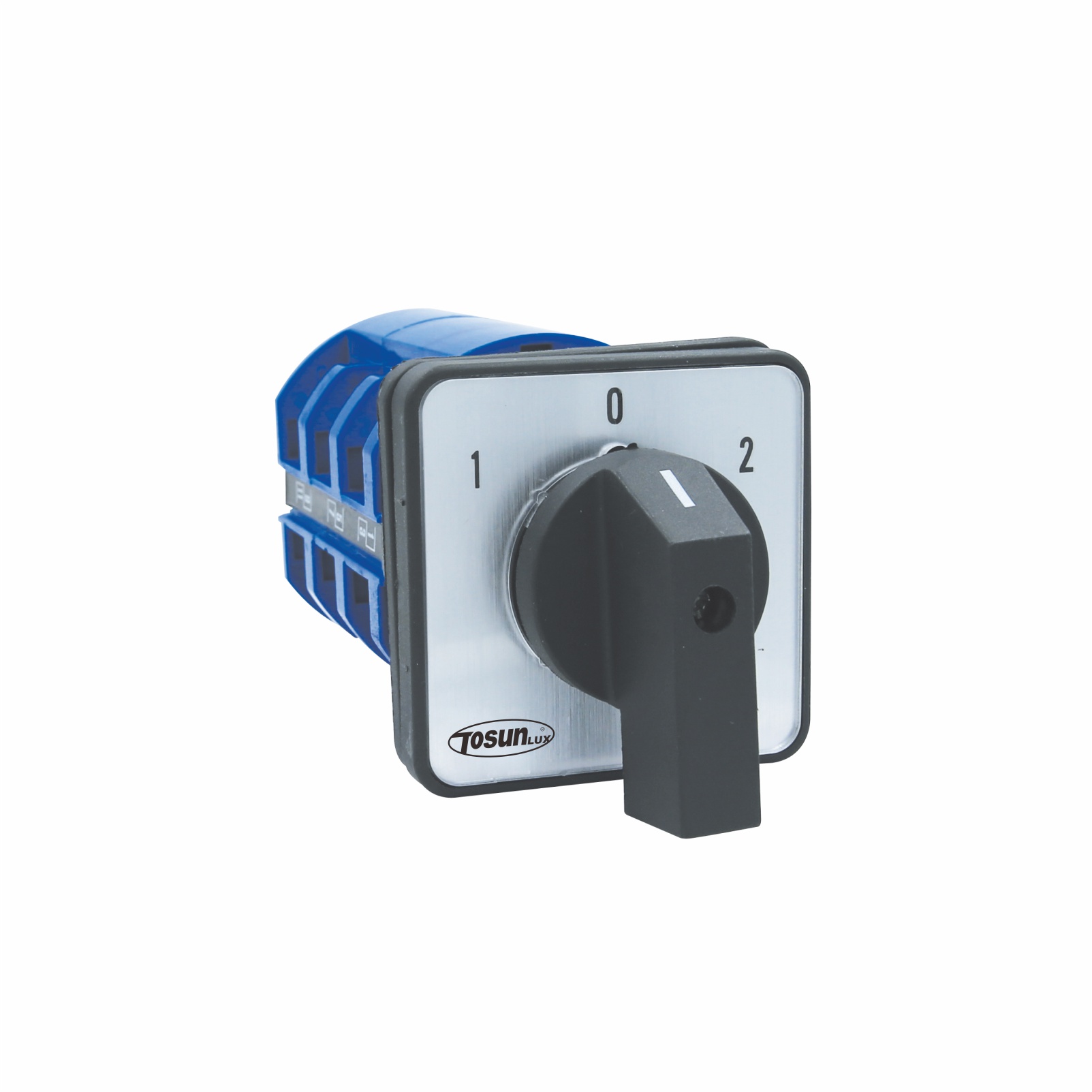
Key features include:
- Wide voltage range: Supports up to 1000V systems
- Thermal overload protection: Prevents overcurrent damage
- Clear indicator lights: Show active power source and system status
- Phase detection and time delay: Ensures switching only happens under safe conditions
- DIN-rail or panel mounting: Fits cleanly into most setups
They are ideal for businesses that don’t need generator control but still want automated switchover between two power sources, such as utility and inverter or two supply lines.
By using a TOSUNlux switch, you’re getting industrial-grade durability and precision from a specialist manufacturer trusted in over 90 countries.
Choosing Between ATS and Changeover: Key Considerations
Making the right decision starts with identifying your priorities. Ask yourself:
Do I need generator automation?
If yes, go with an ATS.
Is downtime a critical risk to my operations?
For zero-delay transitions, an ATS is essential.
Am I switching between two live sources (like grid + inverter)?
A changeover switch works well in these cases.
Is cost a major factor?
Changeover switches usually cost less and demand minimal upkeep.
Both switches serve valuable roles, but they solve different problems. It’s not about which is “better,” but which is more appropriate for your setup.

Common Mistakes to Avoid

A common mistake is assuming that every automatic changeover solution can also start and stop a generator. In many cases, that function belongs to an ATS or to a broader control system, not to a basic changeover switch alone.
Another mistake is choosing only on price without reviewing downtime tolerance, source type, and control requirements. A lower-cost switch may still be the wrong fit if the load is critical or if the project depends on automatic source recovery.
Buyers should also confirm whether the application involves grid plus generator, grid plus inverter, or two live incoming sources, because the switching logic and product selection can differ.
Difference Between Automatic Transfer Switch and Changeover Switch: Conclusion
The difference between automatic transfer switch and changeover switch isn’t complicated—but it’s critical to understand before installing any backup system.
- Choose an ATS automatic transfer switch changeover setup when you need hands-free backup switching, built-in generator control, and zero manual intervention.
- Use a changeover switch when switching between sources is still important, but you don’t need full automation or generator management.
If you’re looking for a reliable, cost-effective automatic changeover switch, TOSUNlux delivers.
With industrial-grade protection, built-in delay, overload safety, and clean mounting options, it’s built for professionals who value performance and simplicity.
Reach out to us to know more!
Tel: +86-577-88671000
E-mail: ceo@tosun.com
Skype: tosunelectric
Wechat: +86-139 6881 9286
WhatsApp: +86-139 0587 7291
Address: Room No.1001 Wenzhou Fortune Center,Station Road, Wenzhou, China
REQUEST A QUOTE
WhatsApp us