Blog

  • A Guide to IP Ratings for Outdoor Isolator Switches

    22nd Jul 2025

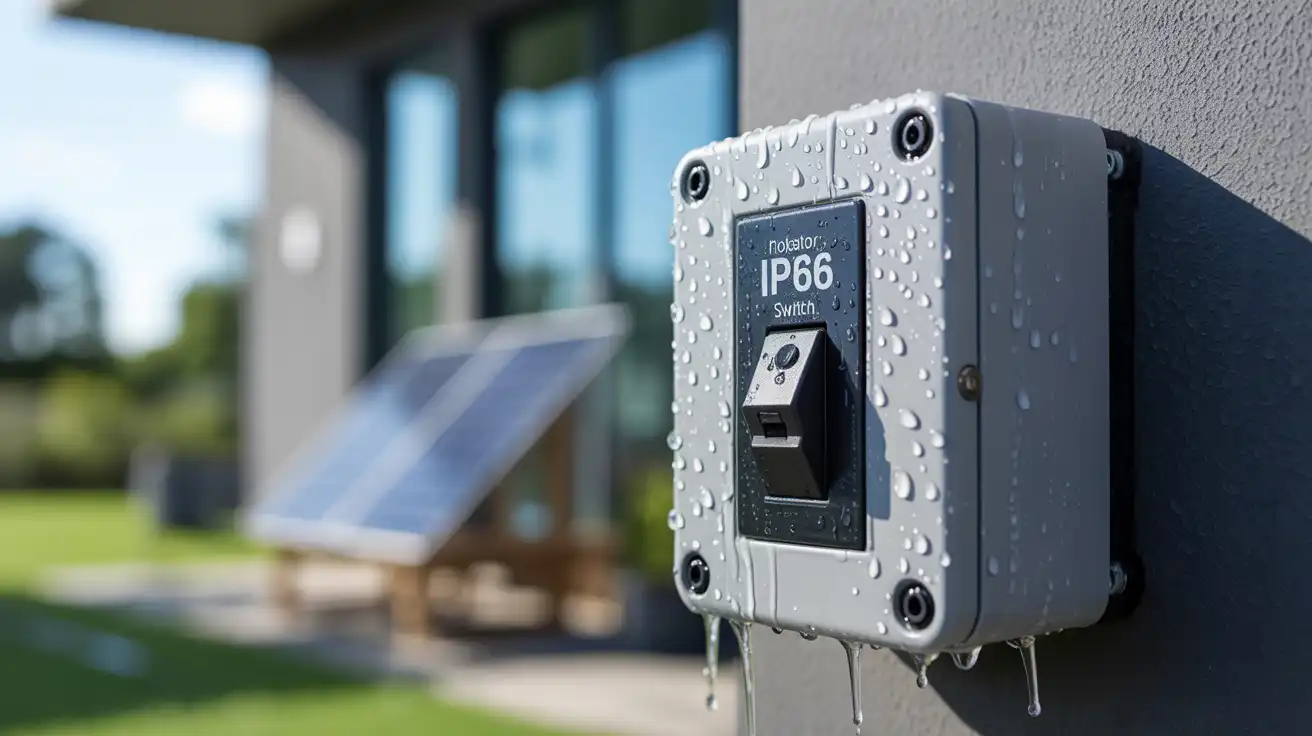
    When choosing a waterproof isolator switch, one of the most important things to understand is the IP rating. These two-letter, two-digit codes tell you how well an isolator switch protects against water, dust, and other external elements — and that matters a lot when the device is used outdoors. Hero Product Highlight Electrical Supply Wholesaler Discover a full range of electrical products from a trusted electrical supply wholesaler. TOSUNlux offers circuit breakers, contactors, switches, and more for global markets. View Product If you’re shopping for a weatherproof isolating switch for your residential, commercial, or industrial space, understanding IP ratings helps you avoid costly breakdowns and improve long-term safety.  In this article, we’ll break down what IP ratings mean, how to pick the right one for your application, and why TOSUNlux’s IP65 isolator switches are a reliable choice for harsh environments. What Exactly is an IP Rating? Breaking Down the Code IP stands for “Ingress Protection,” and it’s defined under IEC 60529 — an international standard for how enclosures protect electrical equipment from foreign bodies like dust and moisture. An IP rating consists of two numbers: For example: In short: Which IP Rating Do You Need for a Weatherproof Isolating Switch? Choosing the right outdoor isolator switch depends on your use case — is it residential, commercial, or industrial? Will the unit face rain, dust storms, or humidity? Here’s a quick breakdown: For safety, it’s recommended to choose IP65 isolator switches or higher for most outdoor settings. This ensures protection against both heavy rain and dust […]

    Read More
  • A B2B Buyer’s Guide to Sourcing Isolator Switches from China

    22nd Jul 2025

    Isolator switches are essential for safely disconnecting electrical circuits during maintenance or emergencies. If you’re a B2B buyer looking to source isolator switches, choosing the right isolator switch manufacturer is critical for quality, safety, and long-term success. In this guide, you’ll learn step-by-step how to source isolator switches from China effectively, avoid common pitfalls, and partner with a manufacturer that supports global standards.  This article is designed for beginners and seasoned procurement teams alike, using simple language and practical advice. Let’s dive in. Step 1: Identify a True Manufacturer, Not Just a Supplier When searching for a China isolator switch provider, the first step is to ensure you’re dealing with a true isolator switch manufacturer rather than a trading company. Why does this matter? Manufacturers control production quality, have dedicated engineering teams, and offer better customization options. Trading companies often source from various factories, making quality inconsistent and traceability difficult. A true isolator switch factory will have in-house testing labs, certifications, and the ability to provide technical drawings and detailed specifications. Always ask for factory audit reports or consider a third-party audit to verify their production capabilities and certifications. Step 2: Demand Proof of Quality and International Compliance Safety and compliance are non-negotiable in electrical components. Before committing, ensure the isolator switch manufacturer can provide certifications like CE, TUV, UL, or IEC standards, depending on your market. These certificates demonstrate that the switches meet strict international safety and performance requirements. Request product samples to evaluate build quality, design, and technical parameters firsthand. A reputable China […]

    Read More
  • What is a Bypass Isolation Transfer Switch?

    22nd Jul 2025

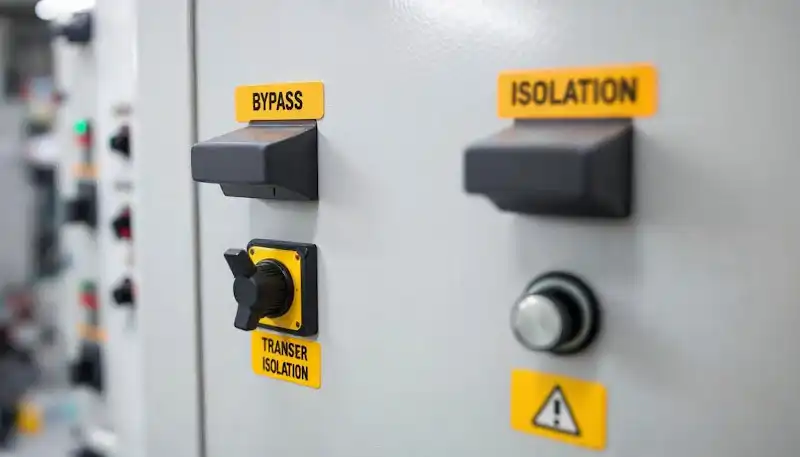
    A bypass isolation transfer switch is a specialized electrical device designed to keep your critical systems running even when maintenance or testing is required. Unlike a standard automatic transfer switch (ATS), a bypass isolation transfer switch allows you to isolate, bypass, and service the ATS without interrupting power to essential loads. In other words, it helps you avoid downtime and maintain safety — a must-have for data centers, hospitals, airports, and any facility that can’t afford interruptions. The Foundation: A Standard Automatic Transfer Switch (ATS) Before understanding bypass isolation, it’s important to know what an automatic transfer switch is. An ATS automatically transfers power from your main utility source to a backup generator or secondary power source when it senses a failure. Once normal power returns, it switches back seamlessly. ATS devices are widely used in critical infrastructures to keep operations smooth and continuous. Unlocking Zero Downtime: The “Bypass” and “Isolation” Functions A bypass isolation transfer switch goes beyond a standard ATS. The “bypass” function allows the load to be transferred directly to an alternate power source while isolating the ATS for maintenance or inspection. The “isolation” function completely separates the ATS from the power system, ensuring safe and hands-on servicing without any risk of disrupting power to the connected loads. Bypass isolation transfer switches are often found in mission-critical facilities such as hospitals, airports, water treatment plants, and data centers where even a momentary loss of power can have severe consequences. These switches make testing and maintenance easier and safer, ensuring that facilities remain […]

    Read More
  • Top 5 DC Isolator Switch Brands for Solar PV Systems

    22nd Jul 2025

    When you think about building or upgrading a solar PV system, safety and performance should be at the top of your list. One of the most critical components that keeps your solar installation safe and efficient is the solar isolator switch. This essential device disconnects the DC power from solar panels to the inverter, allowing for safe maintenance and emergency shutdowns. In this guide, we’ll dive into what makes a good solar panel DC isolator switch, explore the best brands on the market today, and help you make the right choice for your project. Whether you’re a homeowner, installer, or solar enthusiast, understanding the DC isolator switch is key to ensuring your system runs smoothly and safely. Key Criteria for Selecting a High-Quality PV Isolation Switch Choosing the right PV isolation switch (another term for a solar isolator switch) isn’t just about price; it’s about matching safety, durability, and performance to your system needs. A good solar isolator switch must handle the maximum voltage and current of your solar setup. Many solar panel DC isolator switches today support up to 1,500V DC and 32A or higher, which is crucial for high-power systems. Unlike AC, DC circuits do not naturally cross zero voltage, making them more difficult to disconnect safely. Advanced DC isolator switches use arc suppression techniques, such as magnetic blowouts or special contact designs, to safely interrupt current flow and avoid fire risks. Most PV isolation switches are installed outdoors and must withstand harsh weather. A high-quality solar isolator switch typically carries an IP66 […]

    Read More
  • The Ultimate Guide to 3-Phase Voltage Protectors

    08th Jul 2025

    If your operations rely on heavy equipment, motors, or sensitive electronics running on a three-phase supply, then a 3 phase voltage protector is essential.  Voltage fluctuations, phase loss, and over-voltage can damage machines, trigger downtime, and ruin critical systems. These protectors are designed to automatically disconnect power when things go wrong and reconnect once everything’s safe again. In this guide, we’ll walk you through how 3-phase voltage protectors work, how they compare to single phase voltage protectors, what to look for, and why a heavy duty over voltage protector can be the difference between smooth operation and costly failure. What Is a 3 Phase Voltage Protector? A 3 phase voltage protector monitors the voltage across all three phases of a power supply. If the voltage becomes too high, too low, or if any of the three phases becomes unbalanced or fails completely, the device will automatically disconnect the power supply to prevent damage. Once voltage levels return to normal, it reconnects power—automatically and safely. This is different from a single phase voltage protector, which monitors only one live and one neutral line. Single-phase units are common in homes and small offices. But in factories, data centers, and large buildings where power demand is higher, three-phase systems are the standard—and so is three-phase protection. Why It Matters in Real Operations Three-phase systems power large motors, elevators, cooling units, and production lines. These setups are more efficient for high-load operations, but they’re also more vulnerable to: A three phase voltage protector constantly checks each line and reacts […]

    Read More
  • Transient Voltage Protection Strategies for Data Centers and IT Racks

    07th Jul 2025

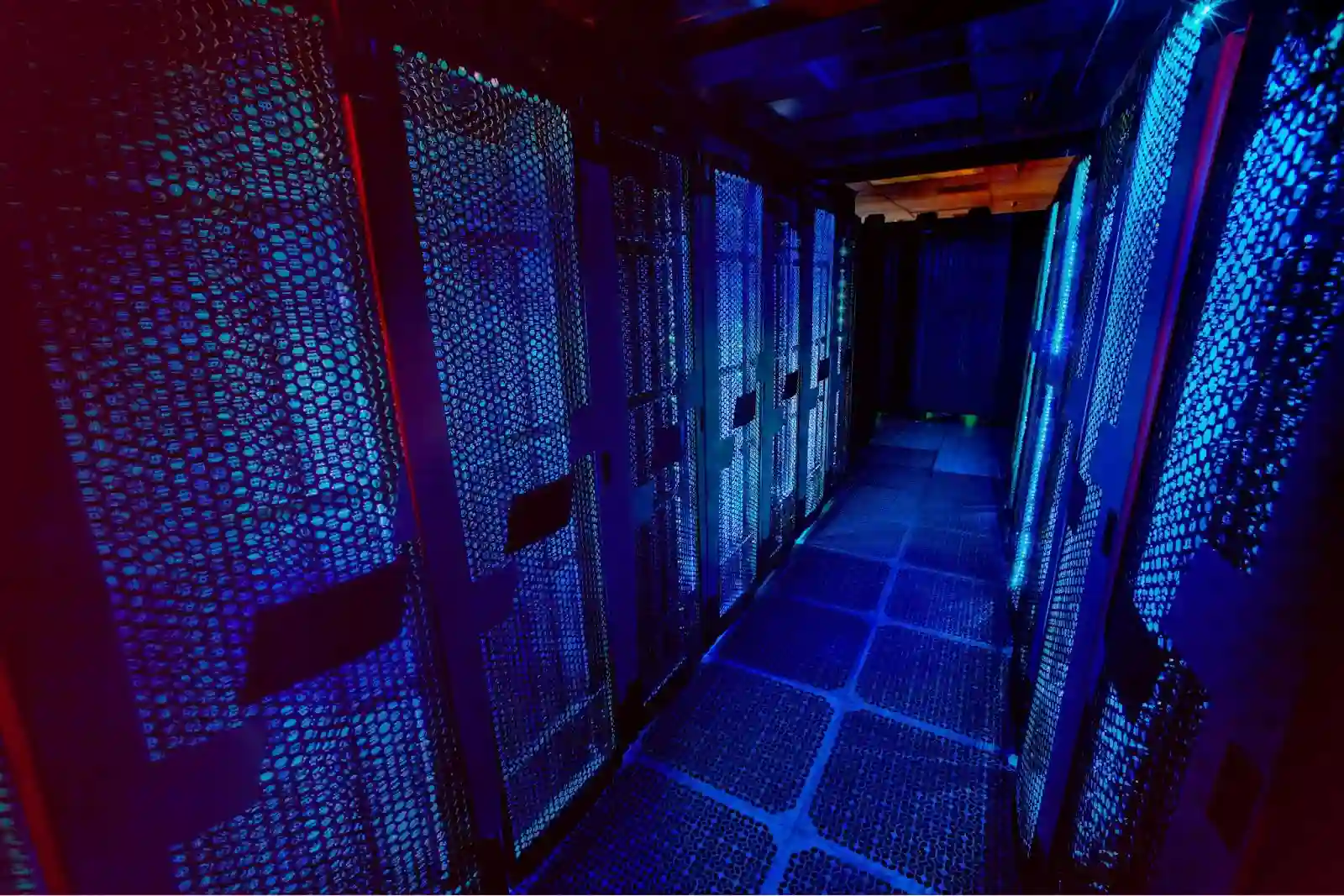
    Alt-text: Server racks in a modern data center with controlled lighting and secure enclosures In modern data centers, transient voltage surge protector (TVSS) devices are vital for safeguarding sensitive equipment. These short, unexpected voltage spikes—often caused by lightning, switching events, or generator transfers—can corrupt data or damage servers in microseconds. TOSUNlux provides high-performance Surge Protective Devices (SPDs) that enable a full, end-to-end power protection strategy from a single trusted manufacturer—ideal for IT racks, server rooms, and overall data center environments. Understanding Transient Voltage Protection Transient voltage surge protectors detect voltage spikes and instantly shunt them away via MOVs, TVS diodes, or gas discharge tubes, clamping energy before it reaches your equipment . They typically react in nanoseconds—fast enough to shield high-speed data electronics. Key protection points include: Layered SPD placement ensures every potential entry point for transient surges is covered. Power Conditioner Surge Protector and Voltage Regulator A power conditioner combines surge protection with voltage regulation and line noise filtering. It smooths out brownouts, spikes, and electrical interference while delivering clean, stable power. A well-designed power conditioner surge protector and voltage regulator keeps output voltage within safe ranges, suppresses surges, and filters out electrical noise. This is especially useful in racks running sensitive servers or switching hardware where both voltage consistency and surge protection matter.  DC Voltage Surge Protector Many IT systems use DC power—especially telecom racks and PoE networks. A DC voltage surge protector safeguards these circuits from transient spikes. Components like TVS diodes, rated to clamp in under 1 ps, guard against fast spikes […]

    Read More
  • The Complete Guide to Integrating ACS with Solar PV and Inverter Systems

    05th Jul 2025

    Alt-text: Wide rooftop solar panel installation at sunset, symbolizing solar energy integration When adding solar PV and inverters to your power setup, an automatic changeover switch for solar system makes life much safer and easier. It seamlessly shifts between grid and solar power—or solar and inverter—without manual intervention, protecting your equipment and simplifying installation. TOSUNlux solar PV ATS units provide essential safety features, precise control, and durable construction. With options for single-phase and three-phase applications, they serve as the reliable core of any integrated power system. Hero Product Highlight EP Changeover Switch Reliable and compact, TOSUNlux EP Changeover Switch enables smooth power source transition, ideal for backup systems and industrial panels. View Product Why You Need an Automatic Changeover Switch Connecting solar or inverter output directly into your main panel isn’t safe. Without proper isolation, you risk backfeeding the grid, damaging equipment, or endangering utility workers.  A proper ac dc automatic changeover switch ensures only one power source is active at a time, making transitions safe and compliant. How It Works with Solar and Inverters A changeover switch monitors two sources—for example, solar inverter and main grid. When solar power is sufficient, it directs energy from the inverter to your loads.  As panels lose output (like at dusk), the switch detects the drop and flips to grid power within milliseconds. If you have batteries connected, it can switch between solar/battery and grid based on your settings. This automation takes the guesswork out of hybrid systems and prevents damage or interruption during switchover. Single-Phase vs. 3-Phase […]

    Read More
  • Single-Phase vs. 3-Phase Automatic Changeover Switch: Which Do You Need?

    04th Jul 2025

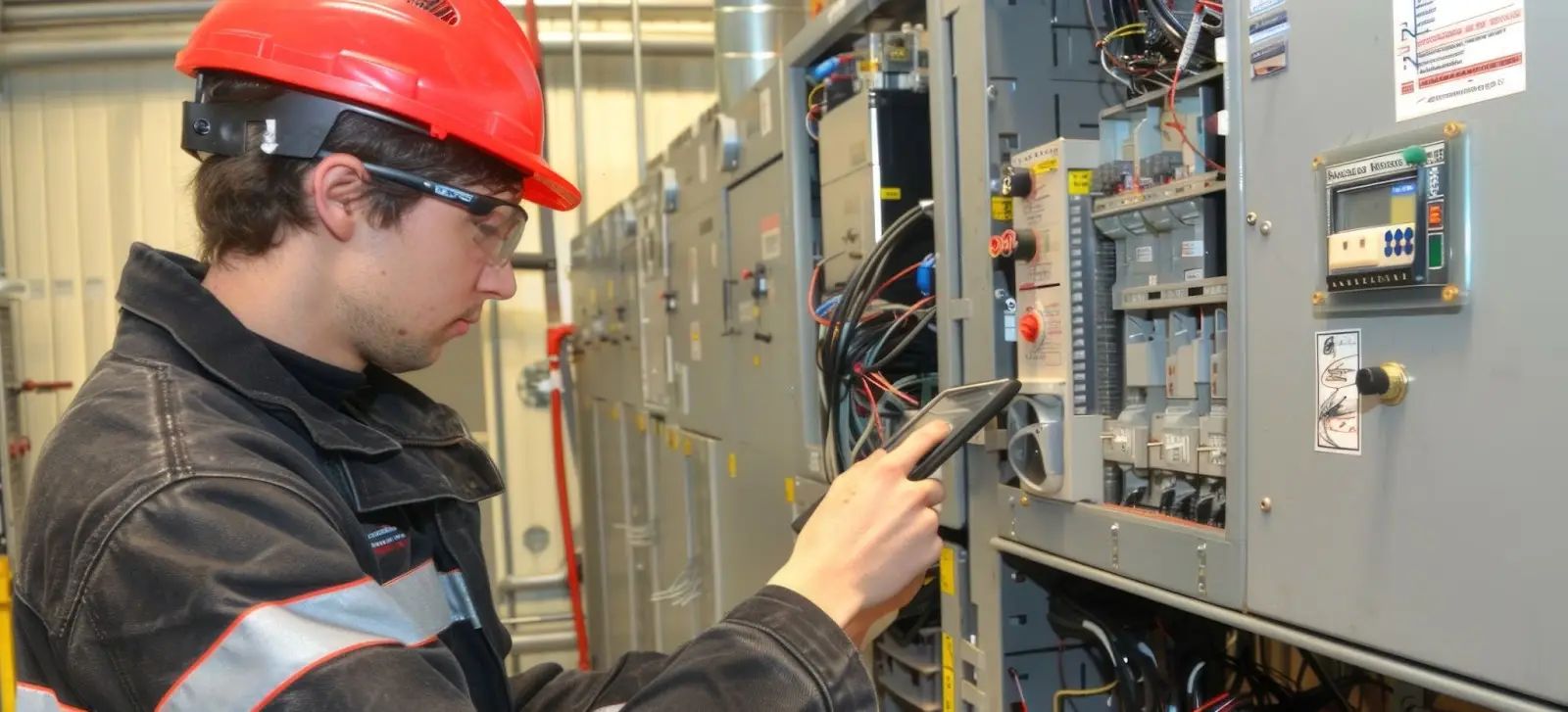
    Alt-text: Technician using a tablet to inspect industrial power switch panel in a manufacturing facility A reliable power source makes all the difference—especially when backup power is required.  Automatic changeover switches manage that shift, but choosing between a single-phase automatic changeover switch and a 3 phase automatic changeover switch depends on your power setup. This guide explains the key differences so you can select the right solution for homes, businesses, and industrial facilities. Understanding Single‑Phase and Three‑Phase Power In a single-phase system, power flows through two wires (one live, one neutral), delivering up to 230 V—enough for homes and small offices.  Three-phase systems use three live wires (often with a neutral) and operate at higher voltages, like 380 V, delivering continuous power well-suited for industrial machinery and large HVAC systems. That’s why the automatic three phase changeover switch exists: it switches all three lines simultaneously to ensure balanced power. A single phase automatic changeover switch only needs to switch one live line and neutral. How Each Switch Works Not all changeover switches work the same way. The main difference lies in how many lines they’re designed to handle and what kind of systems they support. Here’s a closer look at how single-phase and three-phase automatic changeover switches function. Single‑Phase Automatic Changeover Switch These switches are built for simplicity. They detect when your main power supply fails—usually utility power—and automatically shift the load to a backup source like an inverter or generator. Once stable power returns, they switch back. They’re best suited for: The switching process is quick […]

    Read More
  • Voltage Protector vs. Surge Protector: Which One Do You Really Need?

    03rd Jul 2025

    Alt-text: Technician monitoring control systems in an industrial power facility When choosing between a voltage protector vs surge protector, it can feel confusing.  Both claim to defend your equipment, but they tackle two distinct electrical threats: sudden spikes vs. ongoing voltage swings.  This surge protector vs voltage protector breakdown will help you clearly understand what each one does—and when you need both. Hero Product Highlight electrical supply wholesaler Discover a full range of electrical products from a trusted electrical supply wholesaler. TOSUNlux offers circuit breakers, contactors, switches, and more for global markets. View Product What a Surge Protector Does A surge protector is like a bouncer for your devices. It stands guard at the outlet, ready to absorb or divert sudden voltage spikes—those brief surges caused by lightning, grid switching, or large appliances switching on or off.  These spikes can reach thousands of volts in mere microseconds, damaging circuit boards today and degrading them tomorrow. Hero Product Highlight TSP8 Surge Protector TSP8 Surge Protector by TOSUNlux offers fast, reliable protection against lightning and overvoltage for your electrical systems. View Product Key specs: Most offices should install strip-style surge protectors and consider a whole-building surge device at the main panel for deeper protection. What a Voltage Protector (Regulator/Stabilizer) Does A voltage protector, also known as a voltage regulator or stabilizer, monitors and adjusts the voltage over time.  It safeguards against sustained under-voltage (brownouts) or over-voltage that can shorten equipment life, cause errors, or trigger shutdowns. This is vital in regions with an unstable supply. Models range […]

    Read More
  • Voltage Protector vs. Stabilizer vs. UPS: Choosing Your Power Protection

    02nd Jul 2025

    Alt-text: Technician operating complex industrial control panel in low light environment Unstable power puts your equipment at serious risk. Voltage fluctuations, sudden surges, and unexpected outages can cause serious damage or costly downtime. The right protection device can save you thousands in repairs and replacements—but how do you choose? This guide breaks down the difference between a voltage protector vs stabilizer vs UPS, explains where each fits best, and helps you decide based on your specific needs. Understanding Voltage Protectors, Stabilizers, and UPS Let’s start by defining each device. While they all offer power protection, they work differently and serve different roles. Each of these has a role to play depending on the kind of equipment you’re protecting and how unstable your power supply is. Voltage Protector: Simple, Critical Defense A voltage protector is a fast-acting safety device. It doesn’t correct voltage problems—it simply cuts the power when voltage moves outside the safe range. Once the voltage stabilizes, it reconnects the circuit. This is ideal for protecting motors, pumps, compressors, and electronics that would otherwise overheat or fail when exposed to under-voltage or surges. TOSUNlux is a specialist manufacturer of high-quality, industrial-grade voltage protectors. Our devices offer the most reliable and cost-effective way to protect the motors and electronics in your most valuable appliances. Stabilizer: Real-Time Voltage Control A stabilizer—or automatic voltage regulator (AVR)—is designed for environments where voltage fluctuates frequently but rarely cuts out entirely. It actively regulates the voltage, increasing it when it drops and decreasing it when it spikes. This is best […]

    Read More
Loading...