Blog

  • RCBO vs RCCB: Key Differences Explained

    10th Apr 2024

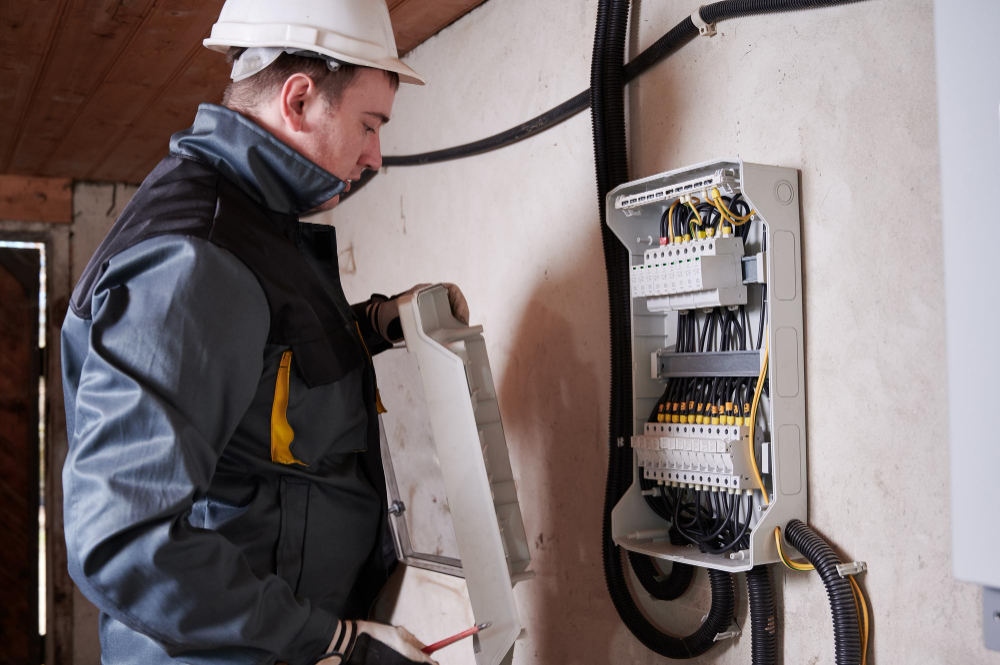
    Upgrading electrical safety means choosing between RCCBs for pure shock prevention and RCBOs with added overcurrent stops. While their names sound alike, these technologies provide overlapping yet distinct protection. How do RCCBs and RCBOs differ in form and function? RCCBs solely detect leakage faults, and RCBOs have overcurrent RCBOs combine RCCB and MCB circuits in one body RCCBs maximize safety, RCBOs add circuit breaker capabilities RCCBs identify leakage currents for fast shutoff against shocks. RCBOs build in standard circuit protection, too. Selecting the right device starts with understanding their capabilities. What are RCCBs and How Do They Work? The term RCCB stands for residual current circuit breaker. RCCBs work by constantly sampling electrical current in the hot and neutral lines to detect any deviations or “residual” leaking to the ground. This identifies ground faults that indicate potential shock risks. Once a RCCB senses stray current exceeding 30 milliamps, its control circuit trips the breaker in under 40 milliseconds – much faster than a human body can withstand a shock. This makes dedicated RCCBs ideal for power points and wet areas needing maximum safety. What are RCBOs and How Do They Function? By contrast, a residual current circuit breaker with overcurrent protection (RCBO) combines ground fault detection like an RCCB while also integrating standard circuit breaker overcurrent capabilities in a single body. The RCCB portion samples current flow to catch leakage faults. Circuit breaker components additionally monitor the line current level and will trip at a preset amperage threshold in case of overloads and short circuits. […]

    Read More
  • Do All Houses Have The Main Breaker?

    21st Feb 2024

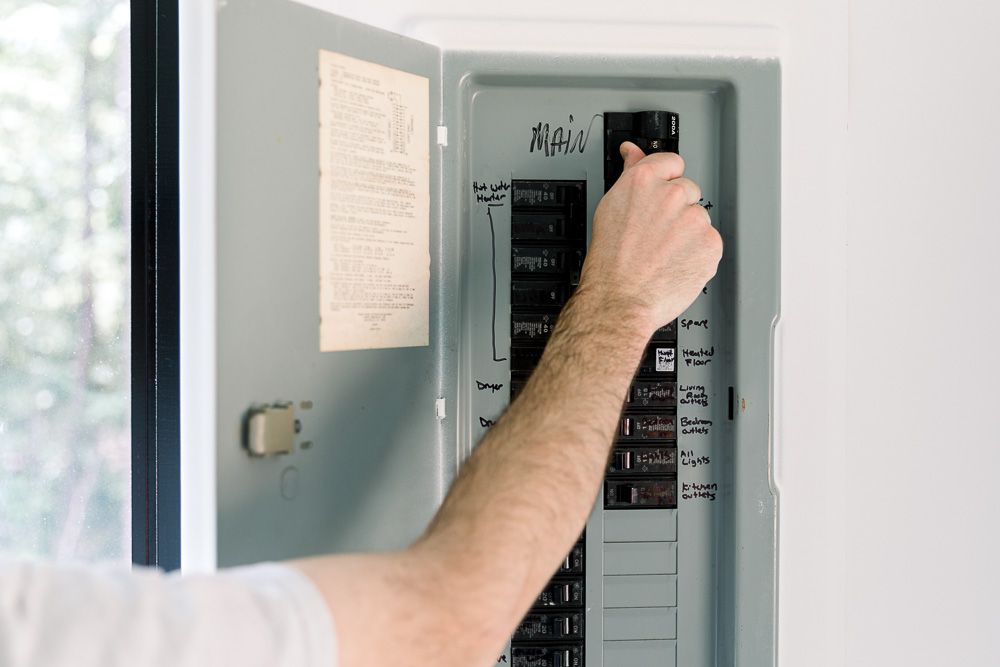
    If you’re not familiar with the main breaker, it is a device that controls the flow of electricity through a house. Usually, the breaker is located in the middle of a circuit panel. The breaker controls the flow of 120 volts of electricity. The main breaker interrupts this flow before the branch breakers can work. Most houses have one of these devices, but not all. You can find your main circuit breaker on the outside of your home or in the main electrical panel. There are only a few houses that don’t have a main breaker, but they’re a common sight. Most houses have at least one 100-amp breaker, though some might have two or more. You can check with your building maintenance staff to be sure.  A subpanel gets its power from the main panel. Its amp rating must match the main panel circuit’s. The number of subpanels is limited to the number of main breaker panel circuits. If you need to add more power to your house, you should call your local utility company and/or an electrician.  If you want to know whether all houses have a main breaker, continue reading this article.  What Is the Main Breaker? A circuit breaker is a device that automatically trips when a circuit becomes overloaded, which can lead to fires or even electrocution. Circuit breakers are designed to detect and stop overloaded circuits. They can also be triggered by power surges.  Before you tackle electrical repairs, you should know what the main breaker is. This device […]

    Read More
  • When Would You Use An Automatic Transfer Switch?

    19th Feb 2024

    Automatic transfer switches are important for a few reasons. First, they make power outages easier. Then, when there’s a problem with your electricity, you don’t have to worry about manually switching over to an alternate power source.  When you have a backup power supply, you can simply set the automatic transfer switch to automatically start the generator if the power goes out. If you don’t need a backup power supply, this switch can save your business. Another reason to install an ATS is to protect against overcurrents. This device is designed to monitor two sources of power and transfer your load to either source. It will switch from one source to the other when it senses that the other power source is no longer safe for your equipment.  If you want to know when to use an automatic transfer switch, continue reading this article.  What is an Automatic Transfer Switch? This is a piece of equipment that automatically transfers electrical energy from one generator to another. While it may sound complicated, automatic transfer switches are fairly easy to use and install.  They feature clearly labelled ports and are relatively inexpensive. Before you buy an automatic switch, though, make sure that it is suitable for your needs. If you’re not sure about its functionality, you can always consult an electrical engineer. The switch allows you to avoid a potential power outage. The transfer mechanism will automatically switch power from one source to another, providing a way to continue power in the event that one source fails.  […]

    Read More
  • Can You Manually Operate An Automatic Transfer Switch?

    15th Feb 2024

    The manual transfer switch is a simpler version of an automatic transfer switch. It is not as complex but requires someone to be present on-site to operate it. This kind of switch is more affordable, but it requires manual operation.  Moreover, the switch does not switch from utility power to generator power automatically. If you have a generator, you need to manually start the generator, connect the generator to the transfer switch, and then turn off the generator. Manually operating an automatic transfer switch may be necessary in order to diagnose malfunctions in its mechanisms. It can test the emergency contact and resistance by manually shifting from Normal to Emergency.  The manual switch should move smoothly and not bind when the source switch is removed for storage. If it is not, it needs deeper inspection and replacement parts. Checking its performance is a vital step in the maintenance process.  If you want to know whether you can manually operate an automatic transfer switch, continue reading this article. Can You Manually Operate an Automatic Transfer Switch? If you’re looking for a better way to control the amount of electricity flowing into your home, you should consider installing an Automatic Transfer Switch. These devices transfer the electrical load from one power source to another in a matter of seconds, meaning that you don’t need to manually operate the device. Automatic Transfer Switches are built with the latest technologies, including automatic detection of power outages, which a manual transfer switch cannot do. The best thing is that you […]

    Read More
  • Are Microwave Sensors Better Than PIR?

    21st Jan 2024

    The difference between PIR and microwave sensors is that the former is more accurate. While a PIR sensor may report movement when the temperature rises or a person walks by, a microwave sensor will report movement more precisely.  You can set the threshold at which motion detection is triggered by the sensor and whether it is triggered by a human, animal or temperature change. A microwave sensor can also detect animals and windy conditions. The main difference between PIR and microwave sensors lies in their range. Microwave sensors work in the same way, but they are far more sensitive. They detect movement in rooms and spaces that are not symmetrical or even rectangular.  They are also better suited for large spaces and rooms with objects in them. And because they don’t rely on heat signatures, microwave sensors are more sensitive than PIRs. For home security, microwave sensors are better than PIR for some applications. Aside from the price difference, there are some other major differences between the two types of motion sensors. Microwave sensors are more sensitive than PIR sensors and have a better coverage range.  If you want to know whether microwave sensors are better than PIR, continue reading this article.  The Difference between Microwave Sensors and PIR Sensors One of the main differences between PIR and microwave sensors is how they detect heat. PIR sensors measure the temperature of the room and activate lamps when the temperature changes. They turn off the lights when the temperature returns to normal. A major benefit of […]

    Read More
  • Mechanical Timer vs Digital Timer

    11th Jan 2024

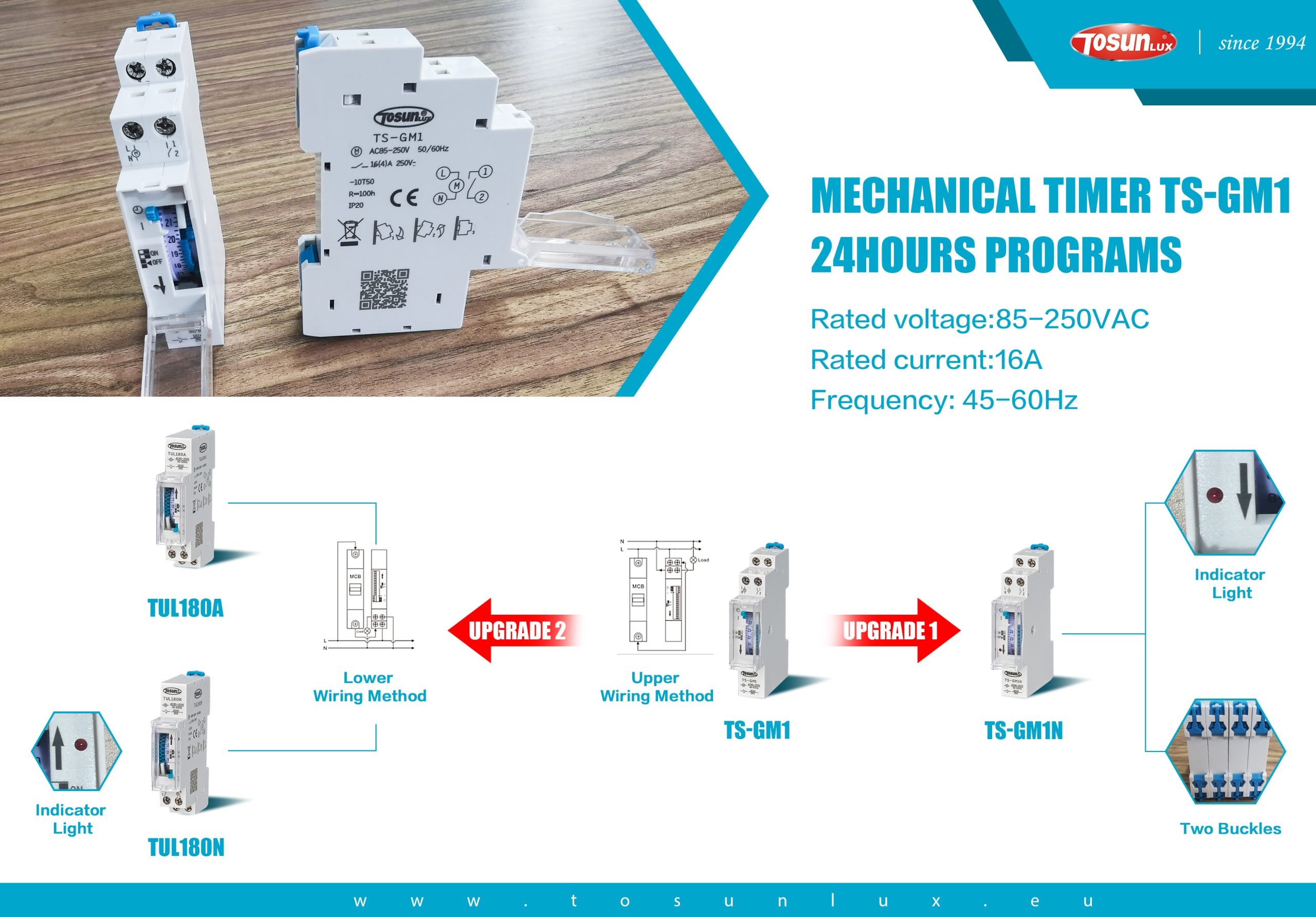
    Ever wondered about the differences between those old-school timers with knobs and the sleek digital ones?  Mechanical timers, like the old knobs, use moving parts, while digital timers work with buttons and electronics.  Mechanical ones are big and basic, and digital ones are small and fancy. Mechanical timers need more care due to their moving bits, while digital ones need little to no care at all.  Depending on what you need, whether basic or a bit fancy, we’ll figure out which timer suits you best. Let’s break it down in simple terms.  What is Mechanical Timers Key Features Mechanical timers, also known as analog timers, are simple devices used to control the power supply to electrical outlets and devices. Here are their key features: Manual Operation: They typically have a rotating dial or a set of pins to set the desired time. Durability: Made with sturdy materials, they can handle heavy-duty use. No Batteries Needed: Operate without batteries or external power sources. Simple Design: Basic and straightforward, often with just an on/off switch. Advantages Cost-Effective: Generally cheaper than digital timers, with prices often starting under $10. User-Friendly: Easy to set up and use, making them ideal for those who prefer simplicity. Reliable: Less prone to electronic failures, they work consistently over time. Energy Savings: Help reduce energy consumption by turning off lights and appliances automatically. Didadvantages Limited Precision: Not as precise as digital timers, with settings often limited to 15-minute intervals. Bulky Design: Larger and less aesthetically pleasing compared to sleek digital models. Manual Adjustment: […]

    Read More
  • What Is A Timer Switch?

    10th Jan 2024

    A timer switch (or switching timer) is an electrical device that helps you control when appliances turn on and off.  You can program them to work at specific times, making your daily routine more convenient. Types of Switching Timers There are different types of timer switches, each designed for specific purposes.  Let’s explore a few of them: Mechanical Timer Switches These are simple and easy to use. They operate with physical, rotating knobs or dials that you turn to set the desired time. Mechanical timer switches are often used for basic tasks like turning lights on and off at specific times. They are user-friendly but may lack advanced features. Digital Timer Switches Digital timer switches use electronic displays and buttons for programming. They offer more precision and flexibility in setting specific times. With digital timer switches, you can often set different schedules for weekdays and weekends, providing more control over your devices. Wi-Fi or Smart Timer Switches These advanced switching timers connect to your home’s Wi-Fi network, allowing you to control them remotely through a smartphone app or voice commands. Note: Some smart switching timers may not be compatible with virtual assistants like Alexa or Google Assistant. Smart timer switches offer the convenience of adjusting schedules from anywhere, providing an extra layer of automation and energy efficiency. Countdown Timer Switches Instead of setting a specific time for activation, countdown-switching timers allow you to set a duration for how long a device should stay on. These timers are handy for tasks that require a limited duration, […]

    Read More
  • 7 Factors to Consider When Choosing Wiring Ducts

    05th Jan 2024

    Wiring ducts and make or break your electrical system. That’s why it’s important to choose them carefully. How do you do it? Here are seven factors to consider: 1. Material Wiring ducts are manufactured from different materials: PVC (Polyvinyl Chloride), halogen-free materials, and metal. Each one has unique properties suitable for specific environments. PVC ducts, for example, are cost-effective and widely used for general applications. Halogen-free options are preferable in environments where toxic gas emissions must be minimized in the event of a fire. Metal ducts, on the other hand, provide enhanced durability and protection in harsh conditions, making them suitable for industrial settings. 2. Size and Capacity When choosing a wiring duct, considering the right size is also important. It should be big enough not just to house your current cables but also to allow for future expansions. A crowded duct can lead to overheating, signal interference, and difficulty in troubleshooting. Make sure that the chosen duct size aligns with the cable fill capacity guidelines to maintain optimal performance. 3. Type of Wiring Duct Will you be changing or adding wires often? Slotted wall ducts may be more suitable because the “slots” on the duct allow for easy access to cables. If cable security is your topmost priority, solid wall ducts are the best choice. Choosing the right wiring duct type depends on the nature of your installation, so assess the requirements of your project carefully. 4. Compliance with Standards Check if your chosen wiring duct complies with relevant standards and regulations, such as those set by the […]

    Read More
  • Where Are Wiring Ducts Used?

    03rd Jan 2024

    They’re not noticeable to ordinary eyes, but look closely and you’ll see wiring ducts in many places, especially in commercial and industrial buildings. They are flat, rectangular, or tubular channel systems used as a pathway for cables and wires. There are many types of wiring ducts and knowing how each type is used will help you determine which one you need. PVC Wiring Duct PVC wiring ducts are lightweight which makes them easy to install. Despite being cost-effective, they provide good insulation and resistance to chemicals. You’ll find PVC wiring ducts used for general-purpose cable management. Metal Wiring Duct Made of steel or aluminum, metal wiring ducts offer superior protection against physical damage and electromagnetic interference. They are ideal to use in situations that need robust protection such as industrial settings and areas with heavy machinery. Fiberglass Wiring Duct Like PVC wiring ducts, fiberglass wiring ducts are also lightweight. But on top of that, they are also durable, non-conductive, and corrosion-resistant. They are suitable for use in places where the cables are exposed to chemicals or extreme temperatures. Slotted Wiring Duct Like its name, slotted wiring ducts have slots or “fingers” to make the insertion or removal of cables easier. Because of this feature, they are often used in control panels, distribution boards, and other applications where frequent modifications, additions to the wiring, or flexible cable management are required. Solid Wall Wiring Duct Solid wall wiring ducts offer maximum protection and separation between cables. They are commonly used in critical systems such as data centers, telecommunications infrastructure, and other […]

    Read More
  • A Comprehensive Guide to Wiring Duct Installation and Maintenance

    03rd Jan 2024

    No electrical installation is complete without wiring ducts. You need them to secure, route, and manage cable wires. If you skip using them, your wires won’t just be disorganized and unpleasant to look at, but you also risk damaging them and compromising safety. This post will guide you through the proper installation and maintenance of wiring ducts. Let’s begin! Wiring Duct Installation Techniques Planning and Design Before installation, a detailed plan must be created. Your plan must include the layout of the cables, the type of wiring duct you will use, and their proximity to power sources. It should include accessibility as well. A well-thought-out design ensures an efficient and organized wiring system. Proper Sizing and Cutting Cut the wiring ducts to the appropriate size using suitable tools. Precision in sizing is essential to maintain the integrity of the duct and ensure a neat appearance. Securing the Ducts  Make sure to mount and secure the wiring ducts to prevent sagging or displacement over time. Use appropriate mounting accessories, such as brackets or clips, to secure the ducts firmly in place. Bundling and Routing Cables Carefully bundle and route cables within the ducts. Take care to avoid overloading. Use cable ties or clips to organize and secure cables, minimizing the risk of tangling or damage. Wiring Duct Maintenance Practices to Follow Regular Inspections Conduct routine inspections to check for signs of wear, damage, or overcrowding within the wiring ducts. Address issues right away to prevent significant problems down the line. Upgrading and Expansion As the need for […]

    Read More
Loading...