 : +86-139 0587 7291
 English
 Español
 Русский
 Français
 العربية
 Português do Brasil
 Українська
 Türkçe
 Polski
 Nederlands
 Italiano
 Bahasa Indonesia
 हिन्दी
 اردو
اردو አማርኛ
አማርኛ Հայերեն
 ไทย
ไทย Монгол
 فارسی
فارسی Shqip
Shqip Ελληνικά
Best solutions to the most common problems in the use of AC contactors
18th Nov 2023
Tackle common AC contactor issues head-on with practical solutions and preventive measures.
Read More
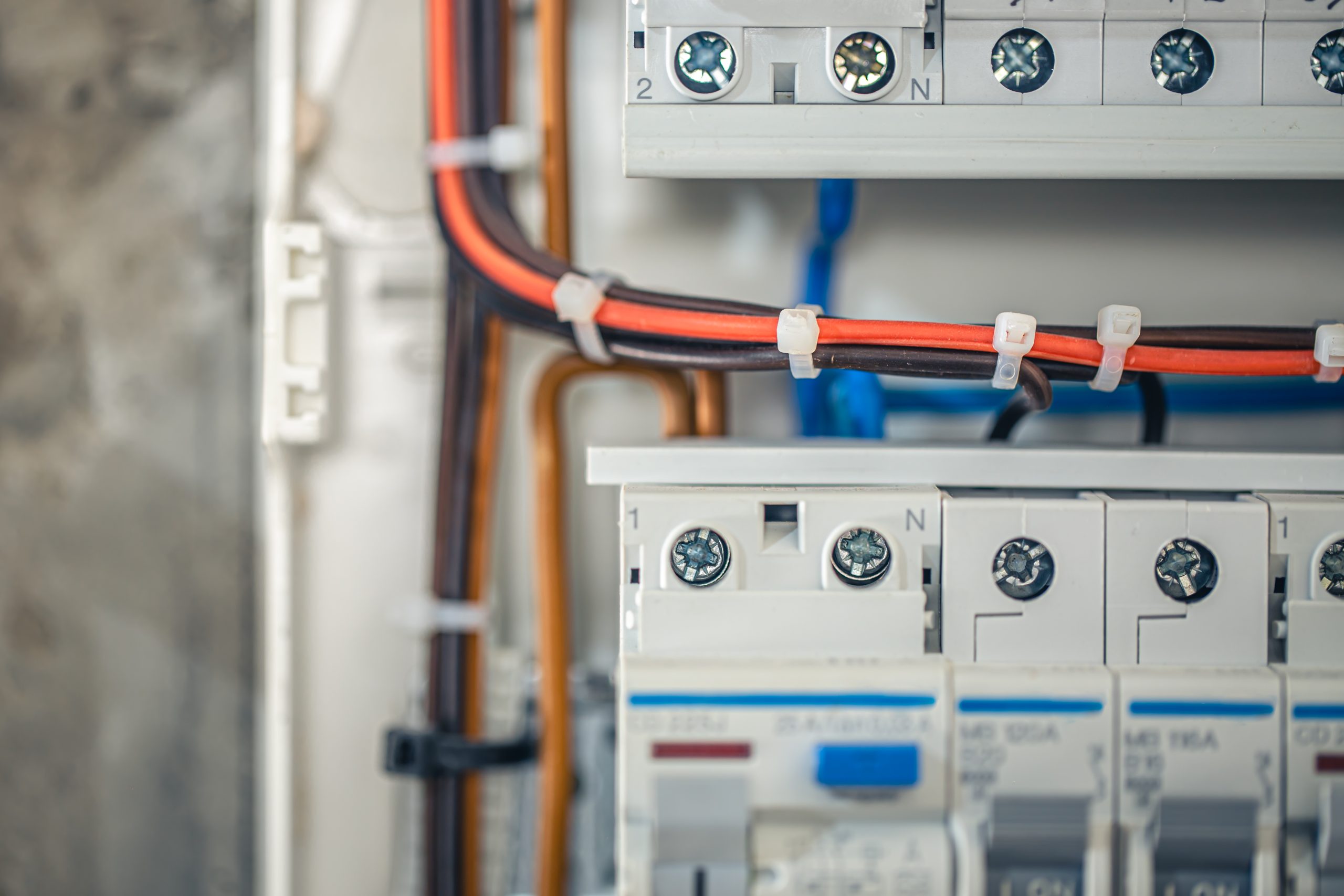
Tackle common AC contactor issues head-on with practical solutions and preventive measures.
Read More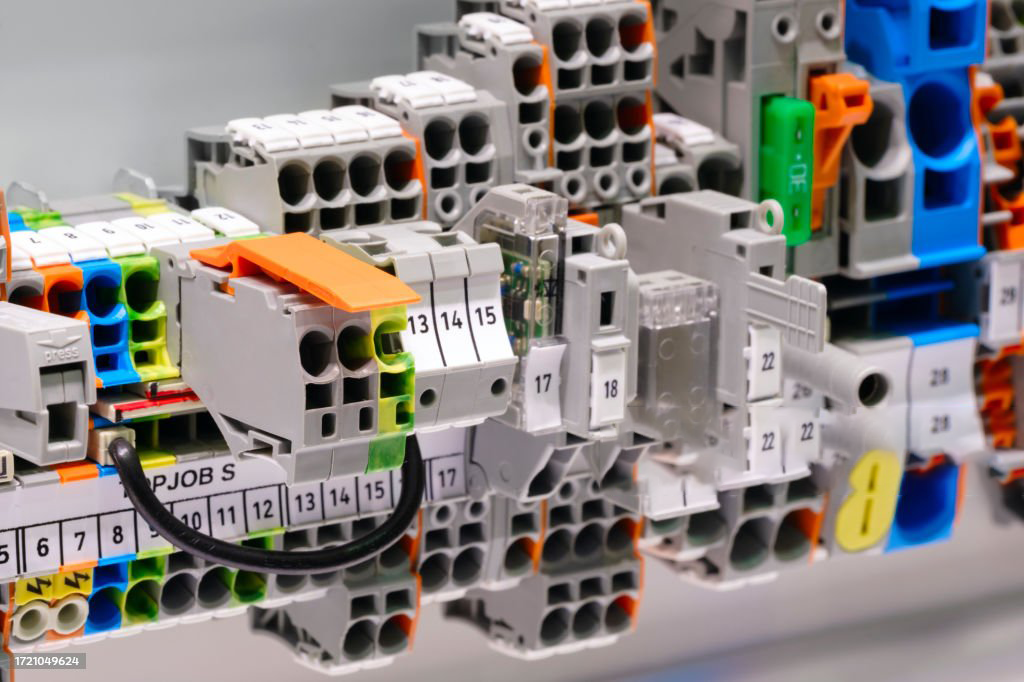
Discover the working principle, advantages, and disadvantages of thermal overload relays, empowering informed decision-making for your electrical needs.
Read More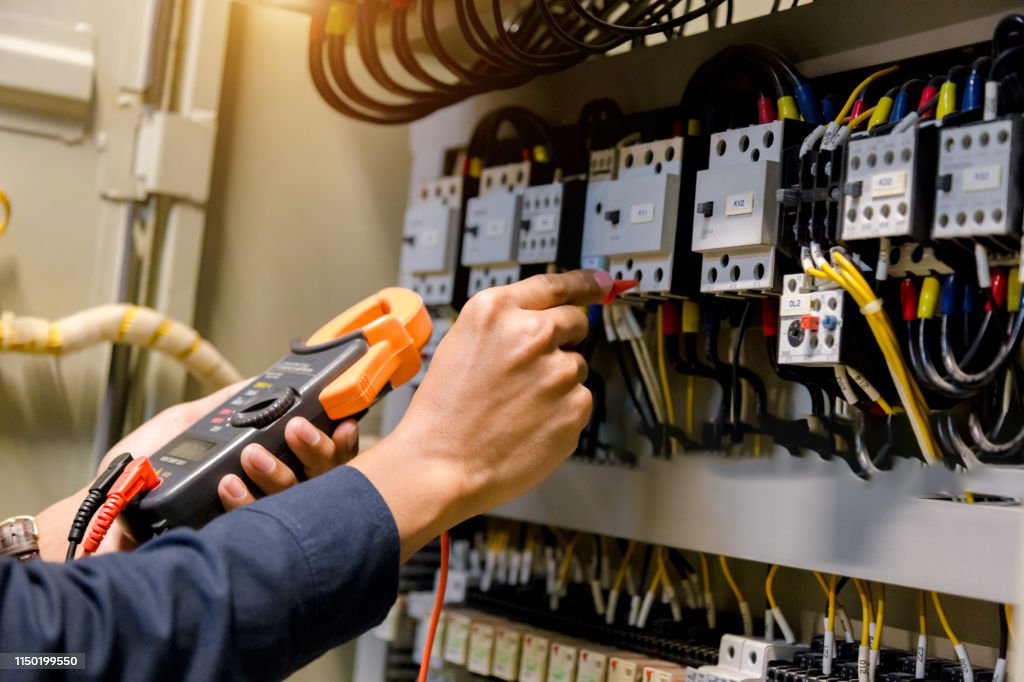
Discover the essential role of PV combiner boxes in enhancing your solar power system. These boxes simplify maintenance and troubleshooting, enhance safety, optimize performance, and offer customizability for your specific needs.
Read More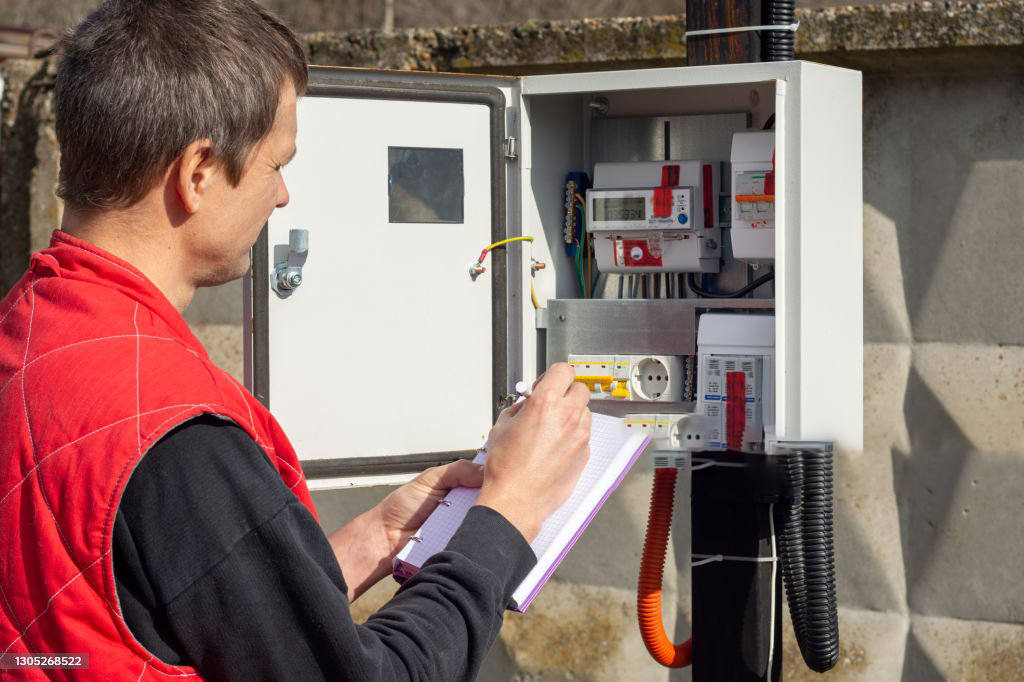
In today's electrified world, power reliability is essential. ATS ensures seamless transitions to backup power during outages, making it a critical component for emergency preparedness. Say goodbye to manual interventions and protect your sensitive equipment from power fluctuations. Invest in a reliable ATS system to save costs, enhance safety, and ensure business profitability.
Read More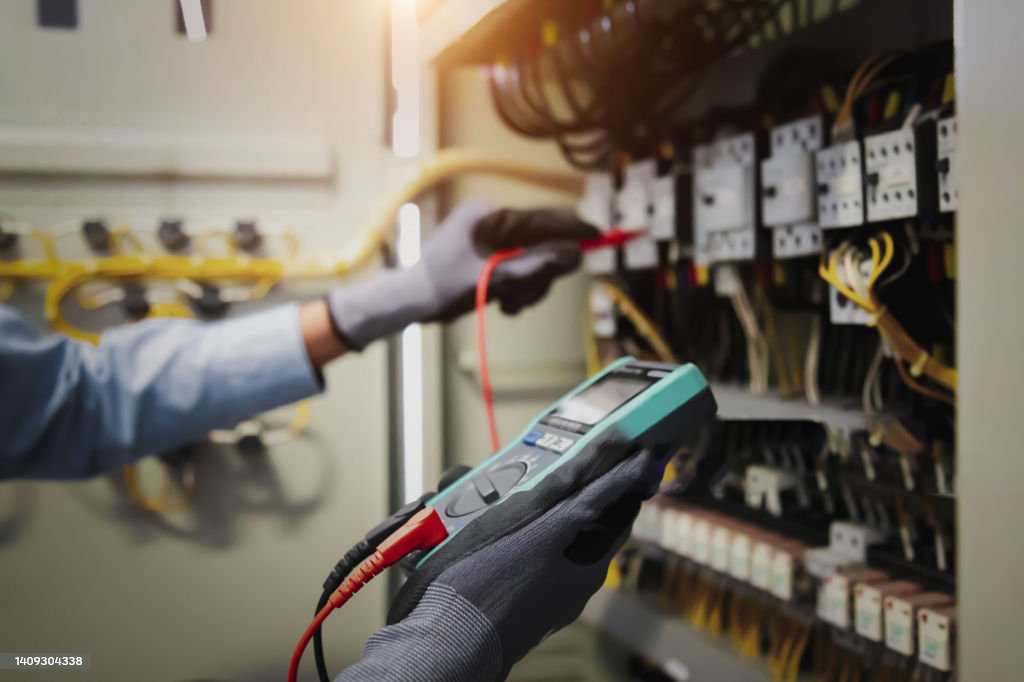
Learn about device types, operation modes, mechanisms, and applications. Find the perfect fit, whether it's the TOSUNlux TSB5-63DC Circuit Breaker for safety or the TOSUNlux S32D Isolating Switch for maintenance needs.
Read More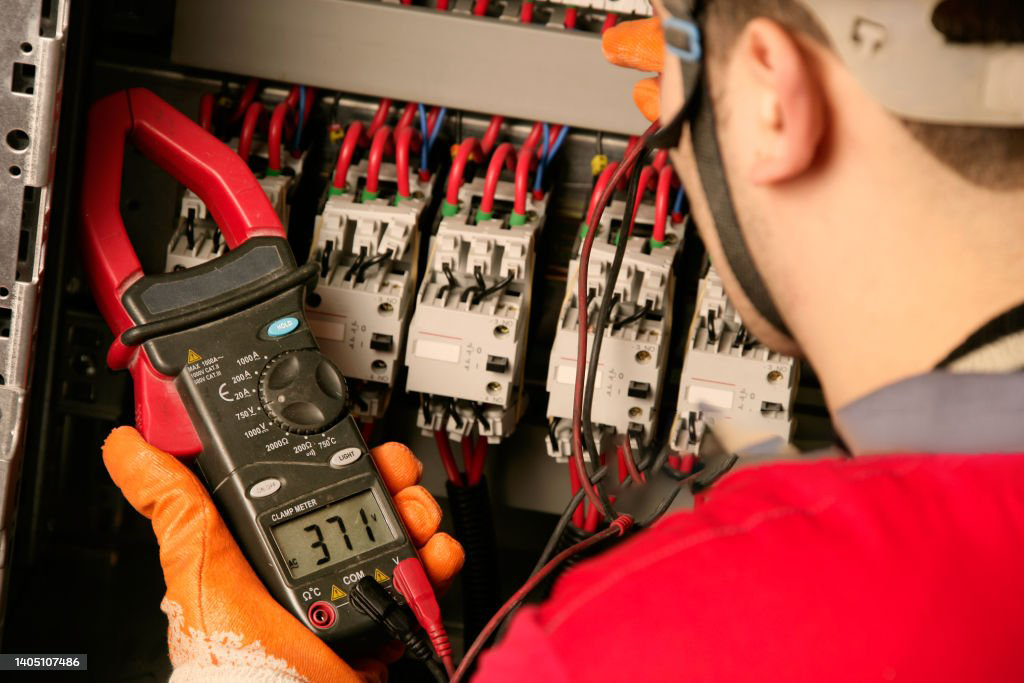
Discover why upgrading to circuit breakers for motor protection is a game-changer. Safeguard your electric motors against power surges, voltage fluctuations, and electrical noise with the superior reliability, reusability, and cost savings of circuit breakers.
Read More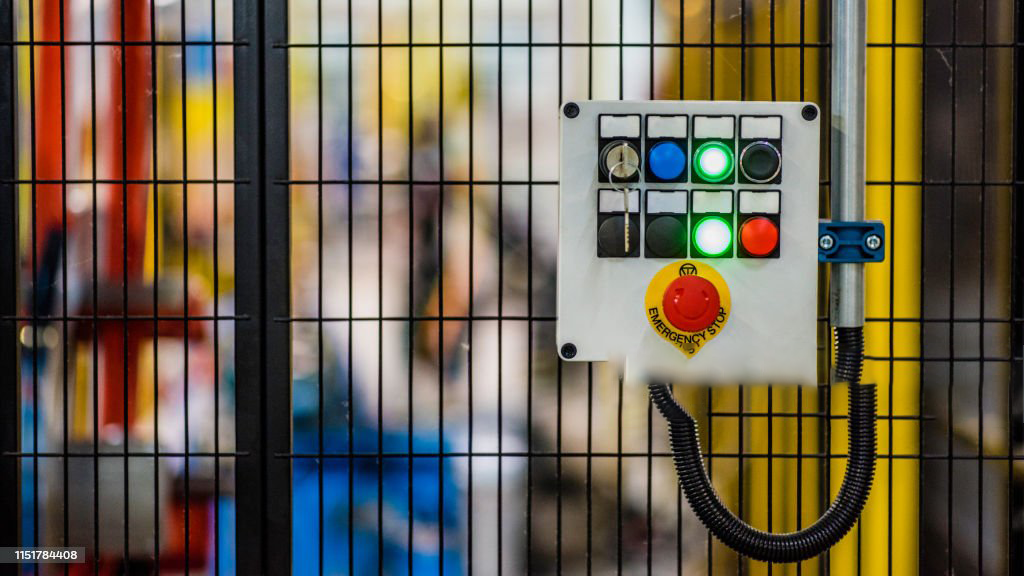
Explore the world of pushbutton switches and their significance in consumer electronics, industrial control, safety applications, and more.
Read More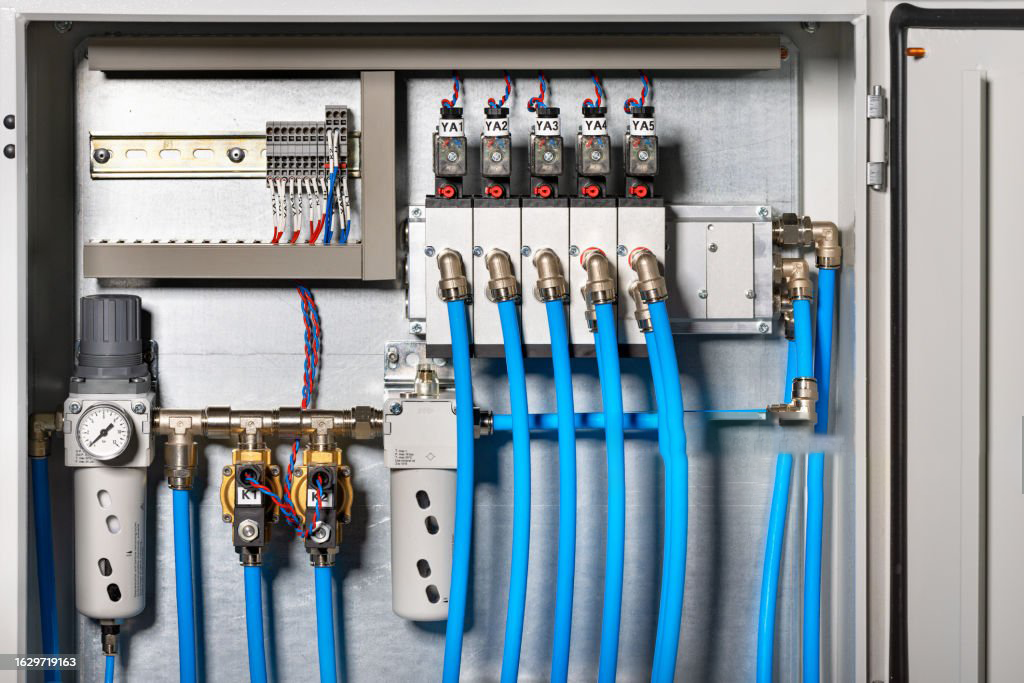
Discover everything you need to know about energy meters, from analog to smart meters.
Read More
Discover the importance of solar PV fuses in safeguarding your photovoltaic system.
Read More
Panel meters are essential instruments used to measure and display various electrical and non-electrical parameters in a wide range of applications. They provide real-time monitoring of critical parameters, enabling operators and engineers to make informed decisions and maintain control over processes. The Complete Guide to Panel Meters offers comprehensive insights into the different types of panel meters, their functions, and applications, showcasing their significance in diverse industries and settings. What are the Types of Panel Meters Analog Panel Meters: Analog panel meters have a traditional needle and scale design. They are commonly used to display electrical parameters such as voltage, current, and power. The position of the needle on the scale provides a visual representation of the measured value. Digital Panel Meters: Digital panel meters have a digital display that shows numerical readings of the measured parameter. They offer higher precision and accuracy compared to analog meters and can measure a wide range of electrical and non-electrical parameters. Multifunction Panel Meters: Multifunction panel meters are versatile instruments that can measure multiple parameters, such as voltage, current, frequency, power factor, and temperature, on a single display. They offer the advantage of space-saving and simplifying panel layouts. Power Meters: Power meters are specialized panel meters designed to measure electrical power parameters, including active power (kW), reactive power (kVAR), apparent power (kVA), and power factor. Energy Meters: Energy meters are used to measure electrical energy consumption over time. They are commonly used in utility applications for billing and monitoring energy usage. Temperature Meters: Temperature meters measure and display […]
Read MoreTel: +86-577-88671000
E-mail: [email protected]
Skype: tosunelectric
Wechat: +86-139 6881 9286
WhatsApp: +86-139 0587 7291
Address: Room No.1001 Wenzhou Fortune Center,Station Road, Wenzhou, China
WhatsApp us