 : +86-139 0587 7291
 English
 Español
 Русский
 Français
 العربية
 Português do Brasil
 Українська
 Türkçe
 Polski
 Nederlands
 Italiano
 Bahasa Indonesia
 हिन्दी
 اردو
اردو አማርኛ
አማርኛ Հայերեն
 ไทย
ไทย Монгол
 فارسی
فارسی Shqip
Shqip Ελληνικά

MCCB Types Explained: Type B, C, D, K, Z — How Each Works & When to Use Them
Table of Contents
ToggleThere are different types of circuit breakers, and you need to know how they work in order to install them correctly. These circuit breakers are grouped into different types: type B, type C, type D, type K, and type Z. A type B MCCB will trip when it sees a surge of 3 to 5 times the rated current, while a type C will trip when it sees a surge 5 to 10 times.
An MCCB is an excellent electrical protection device. Its casing is sealed and cannot be opened. But just like any other electrical equipment, it requires periodic maintenance in order to function properly.
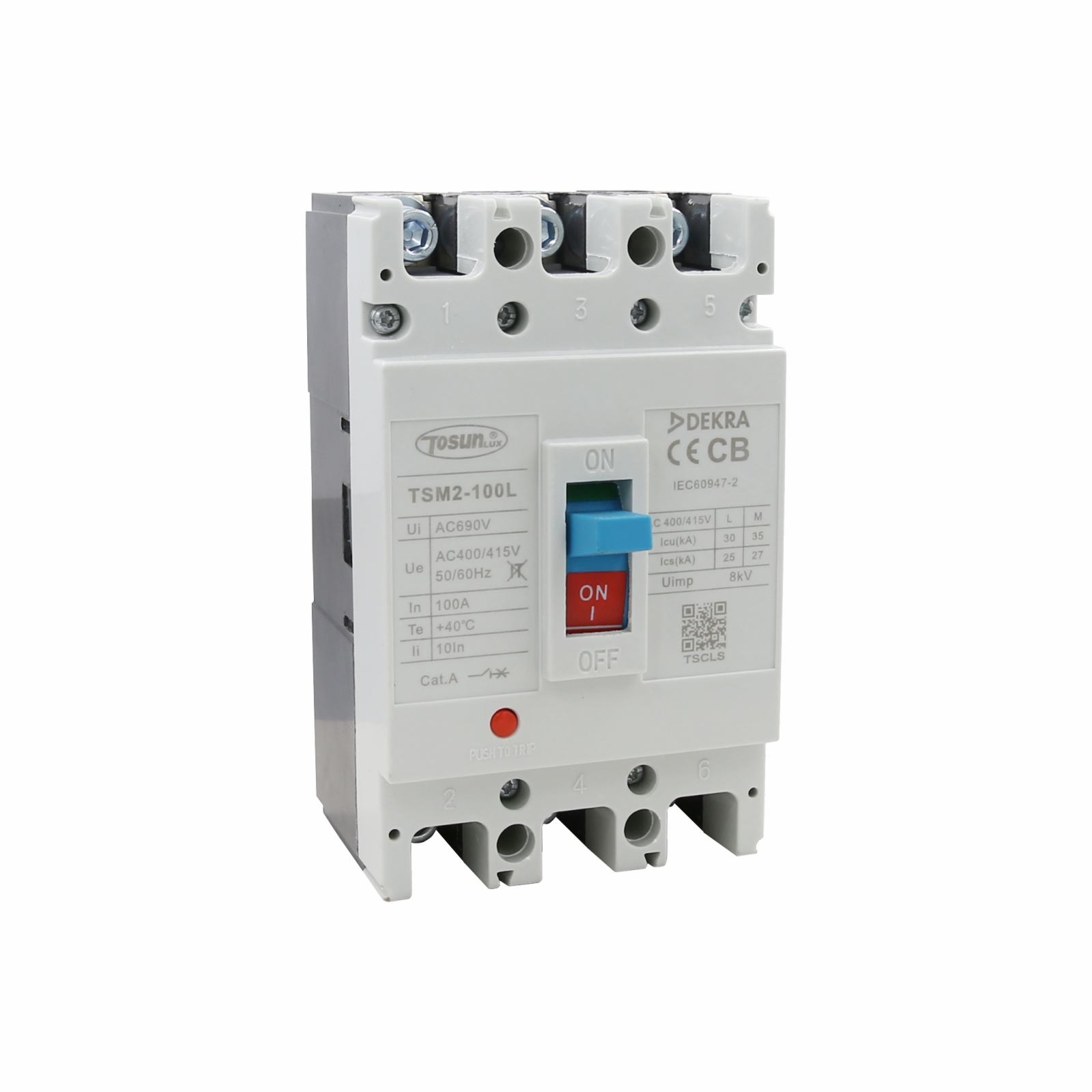
MCCBs can handle a large current and a short circuit. They also have a movable trip unit and a short tripping time. Some types have remote ON/OFF features, making them useful in industrial settings where electrical shocks are a common hazard.
Different types of MCCBs are used in different electrical settings. If you want to know about the different types of MCCBs and how it works, continue reading this article.

How Does an MCCB Work?
MCCBs are designed to automatically interrupt the flow of electricity when a fault is detected. They consist of several key components, such as the relay tripping unit, temperature-sensitive components like the bimetallic strip, and arcing contacts. The combination of these features allows the MCCB to respond to overloads and short circuits by rapidly disconnecting the faulty circuit, ensuring electrical safety.
Relay Tripping Unit: This is the brain of the MCCB. It includes an electromagnetic coil and a tripping plunger that activates the breaker when a fault is detected. The system can trip the breaker either immediately or with a delay, depending on the severity of the fault.
Bimetallic Strip: This component expands when the current exceeds the safe limit, causing it to bend and eventually trip the breaker. It helps protect against prolonged overload conditions.
Arcing Contacts: These contacts are responsible for interrupting the electrical arc that forms when the breaker trips. Their quick response minimises the risk of fire and further damage.
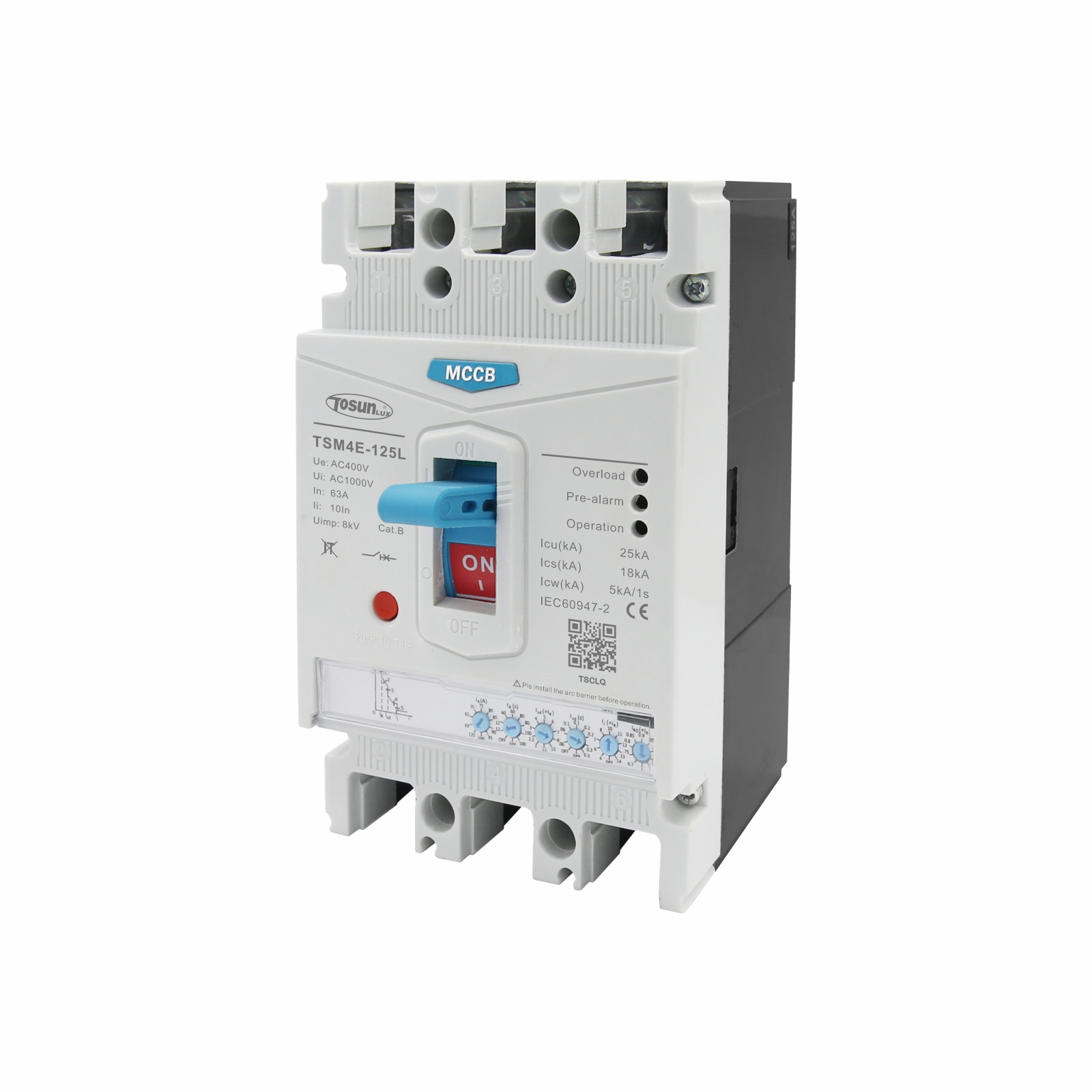
By using these components, MCCBs provide comprehensive protection in a wide range of electrical systems. For installations requiring adjustable tripping characteristics, the TSM4E Electronic Type Moulded Case Circuit Breaker allows engineers to fine-tune protection settings directly to the circuit’s specific load profile.

MCCB Type Comparison: Tripping Ranges and Applications at a Glance
Selecting the correct MCCB type begins with understanding how each one responds to overcurrent events. The table below summarises the five standard MCCB types, their tripping current ranges, and the applications they are best suited for. Use this as a quick reference before consulting the detailed descriptions that follow.
MCCB Type Comparison: Tripping Ranges and Applications at a Glance
Selecting the correct MCCB type begins with understanding how each one responds to overcurrent events. The table below summarises the five standard MCCB types, their tripping current ranges, and the applications they are best suited for. Use this as a quick reference before consulting the detailed descriptions that follow.
| Type | Trip range | Typical use case | Inrush tolerance |
|---|---|---|---|
| Type B | 3–5× rated current | Residential lighting, small appliances | Low |
| Type C | 5–10× rated current | Commercial & general industrial (motors, transformers) | Moderate |
| Type D | 10–20× rated current | Heavy industrial machinery, frequent start/stop | High |
| Type K | 8–12× rated current | Sensitive equipment, dual-cable circuits | Moderate–high |
| Type Z | 2–3× rated current | Telecom, data centers, sensitive electronics | Telecom, data centres, sensitive electronics |
Choosing the Right Type of MCCB
The choice of MCCB depends on the specific electrical needs of the system. Below, we explore the different types of MCCBs, each designed to handle different levels of current and response time.
Type B MCCBs
Type B moulded case circuit breakers are designed for residential and light commercial applications where inrush currents are low. They trip at 3 to 5 times the rated current, making them well-suited for protecting lighting circuits, socket outlets, and small household appliances. They trip at 3 to 5 times the rated current. These breakers are ideal for protecting circuits with low inrush currents, such as lighting and small appliances.
Type C MCCBs
Type C MCCBs are the most widely used moulded case circuit breakers in general commercial and industrial settings. With a tripping range of 5 to 10 times the rated current, they handle moderate inrush currents from equipment such as motors, pumps, and transformers without nuisance tripping. They are suitable for general-purpose use in commercial and industrial applications. Type C breakers are commonly used in systems that involve equipment with moderate inrush currents, such as motors and transformers. The TSM2 Moulded Case Circuit Breaker is a dependable Type C-rated solution for commercial and light industrial installations, offering high performance overload and short circuit protection in a compact sealed casing.
Type D MCCBs
Type D moulded case circuit breakers are engineered for heavy industrial environments where large machinery generates high inrush currents on startup. They trip at 10 to 20 times the rated current, providing reliable short circuit protection without interrupting normal operation of equipment like compressors, welding machines, and industrial presses. Type D breakers trip at 10 to 20 times the rated current and are best used in environments where substantial equipment starts and stops frequently. Their higher tolerance to inrush currents makes them ideal for heavy-duty operations. For demanding heavy-duty environments, the TSM9 Moulded Case Circuit Breaker provides robust protection against overload, short circuit, and under-voltage conditions in AC 50/60Hz industrial circuits.
Type K MCCBs
Type K MCCBs offer enhanced protection for circuits carrying sensitive equipment or installations with two cables. Tripping at 8 to 12 times the rated current, they balance tolerance for surge currents with fast response to genuine faults, making them a preferred choice where standard Type C protection is insufficient.They trip at 8 to 12 times the rated current and are often used in settings where more sensitive equipment is involved. Type K breakers are ideal for providing enhanced protection in installations where surge currents are common.
Type Z MCCBs
Type Z moulded case circuit breakers are the most sensitive type available, tripping at just 2 to 3 times the rated current. They are specifically designed to protect delicate electronic equipment in telecommunications infrastructure, data centres, and precision measurement systems where even minor overloads can cause irreversible damage. They are used to protect sensitive electronic equipment, making them suitable for applications like telecommunications and data centers. While they are not as versatile as other types, their ability to react to small overloads makes them an essential component in sensitive circuits.
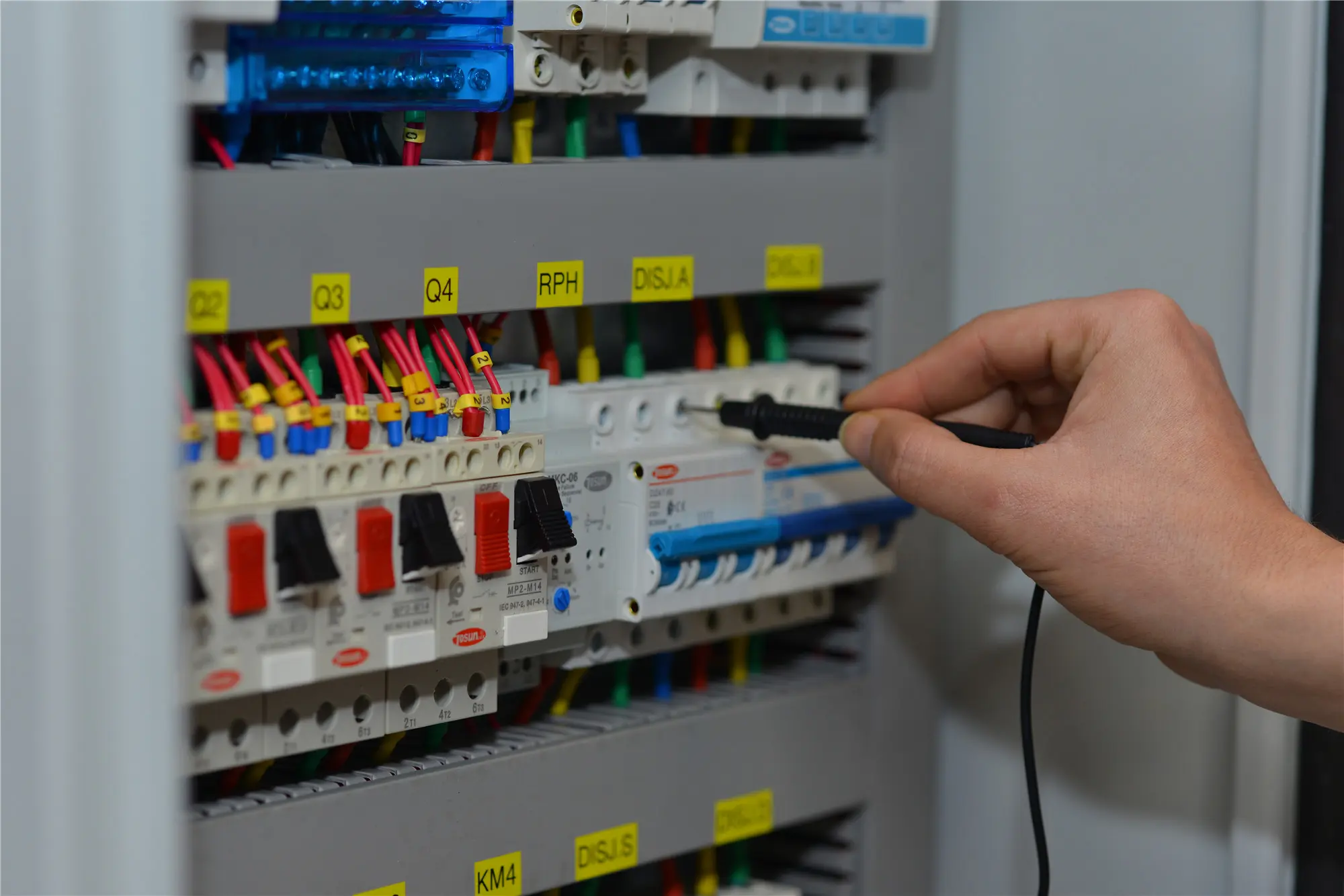
Reliable MCCB Solutions at Competitive Prices – Request Your Quote Today!
Key Considerations When Choosing an MCCB
When selecting the right MCCB, consider the following factors:
- Current Rating: Ensure that the MCCB’s current rating matches the circuit’s expected load to avoid unnecessary tripping or insufficient protection.
- Application Type: Different types of MCCBs suit different environments, such as residential, commercial, or industrial settings. Understanding your application will help you choose the appropriate MCCB.
- Response Time: Choose an MCCB with the correct response time to ensure that it trips promptly during overload or short-circuit conditions.
FAQ: Common Questions about MCCBs
Q1: What is the difference between MCCB and MCB?
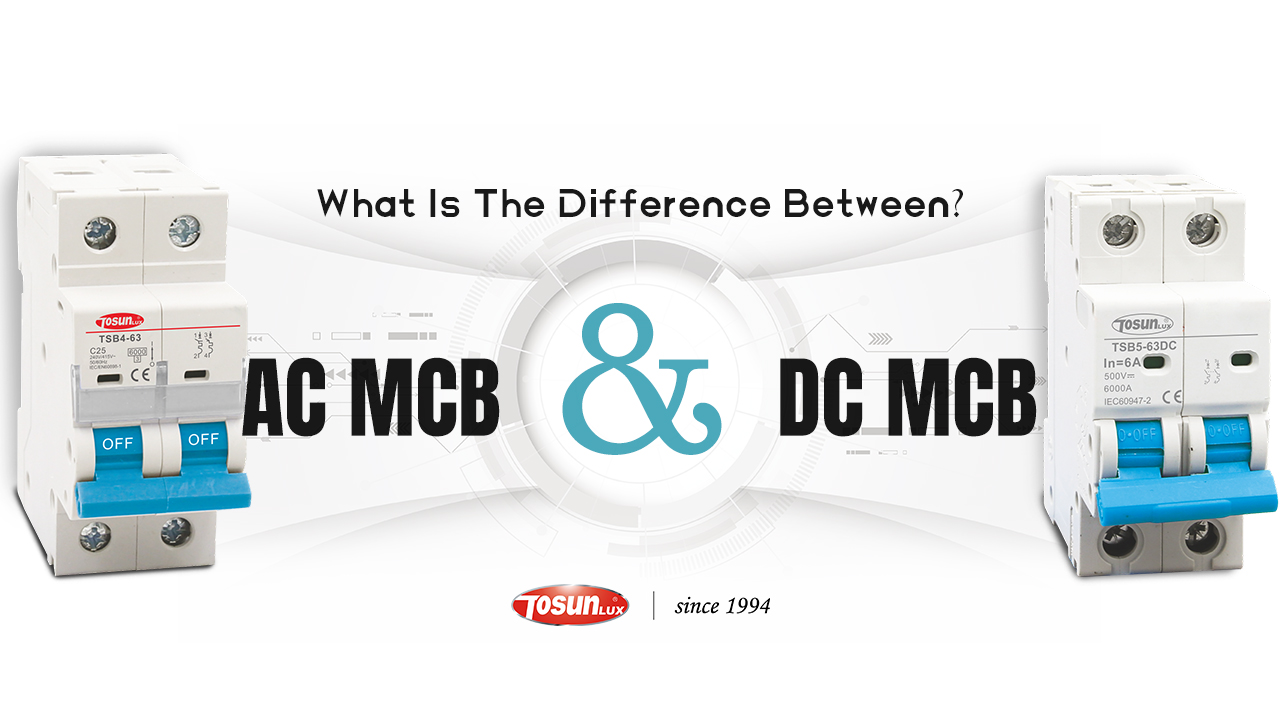
A1: While both serve to protect circuits from overloads and short circuits, MCCBs can handle higher currents and are often used in industrial applications. MCBs are generally used in residential and light commercial applications.
Q2: Can an MCCB be reset?
A2: Yes, once an MCCB trips, it can be reset manually. However, it’s important to investigate the cause of the trip before resetting the breaker.
Q3: How often should MCCBs be maintained?
A3: Regular maintenance is essential to ensure the MCCB operates properly. This includes cleaning, checking for signs of wear, and verifying the function of the tripping mechanism.
Q4: What is a Type D MCCB used for?
A4: Type D MCCBs are designed for heavy industrial applications where high inrush currents are common. They provide protection for large machines and motors.
Q5: What is the typical lifespan of an MCCB?
A5: Under normal operating conditions, an MCCB can last 20 years or more. However, its mechanical and electrical life is also rated by the number of operations — typically between 10,000 and 25,000 switching cycles depending on the model and manufacturer. Regular maintenance, avoiding repeated short-circuit trips, and operating within the rated current range all contribute to a longer service life.
Q6: Can an MCCB be used as a main switch or isolator?
A6: Yes, many MCCBs are approved for use as a main switch or isolator when they carry the appropriate certification for that function. However, not all MCCBs are rated for isolation duty — always check the product datasheet to confirm whether the unit meets the isolation requirements specified in IEC 60947-2 or the relevant local standard before using it in this role.
Q7: What are the most common causes of MCCB failure?
A7: The most frequent causes include repeated exposure to short-circuit currents beyond the breaker’s rated capacity, mechanical wear from excessive switching operations, moisture or contaminant ingress into the casing, and loose terminal connections that cause localised overheating. Scheduled inspection and testing — including contact resistance checks and insulation resistance testing — help identify early signs of degradation before failure occurs.

Enhancing Electrical Safety with MCCBs
MCCBs are indispensable for maintaining electrical safety in a wide range of applications. By selecting the right type for your needs, you can ensure the protection of electrical circuits and reduce the risk of damage or fire. Regular maintenance and proper installation further enhance the reliability and effectiveness of MCCBs.
For a detailed side-by-side breakdown, read our guide on MCCB vs MCB: key differences in current rating, application type, and protection level.
🔎 Recommended Reading for MCCB Types and Working Principle
The Different Types of MCCB and How It Works
Learn about the various types of Molded Case Circuit Breakers (MCCBs), their construction, and how they provide protection in electrical systems.
Advantages of Using Low Voltage Circuit Breakers
Explore why MCCBs are essential in low-voltage systems and how they enhance safety and reliability in electrical distribution.
Breaking Capacity vs Circuit Breaker Ratings
Understand how to evaluate MCCB ratings and breaking capacities to choose the right protection level for your system.
Tel: +86-577-88671000
E-mail: ceo@tosun.com
Skype: tosunelectric
Wechat: +86-139 6881 9286
WhatsApp: +86-139 0587 7291
Address: Room No.1001 Wenzhou Fortune Center,Station Road, Wenzhou, China
REQUEST A QUOTE
WhatsApp us