 : +86-139 0587 7291
 English
 Español
 Русский
 Français
 العربية
 Português do Brasil
 Українська
 Türkçe
 Polski
 Nederlands
 Italiano
 Bahasa Indonesia
 हिन्दी
 اردو
اردو አማርኛ
አማርኛ Հայերեն
 ไทย
ไทย Монгол
 فارسی
فارسی Shqip
Shqip Ελληνικά

Push Button Switch Problems and Troubleshooting Guide (Industrial Applications)
Table of Contents
TogglePushbutton switches play a vital role in various electrical applications, offering reliable and simple control over electrical circuits. However, over time, these switches can encounter issues that hinder their functionality. In this article, we will delve into common problems faced by pushbutton switches, including wall pushbutton switches, and provide practical solutions to restore their functionality.
Push Button Switch Failure in Industrial Environments
In tough industrial settings, pushbutton switches are key parts of daily operation. They are used in control panels and motor starters. In these places, they face repeated use, strong vibration, and contact with dust, oil, or moisture. They may control complex machines. They may also be the main control for distribution cabinets. In all cases, these switches must keep good electrical contact so the system works properly.

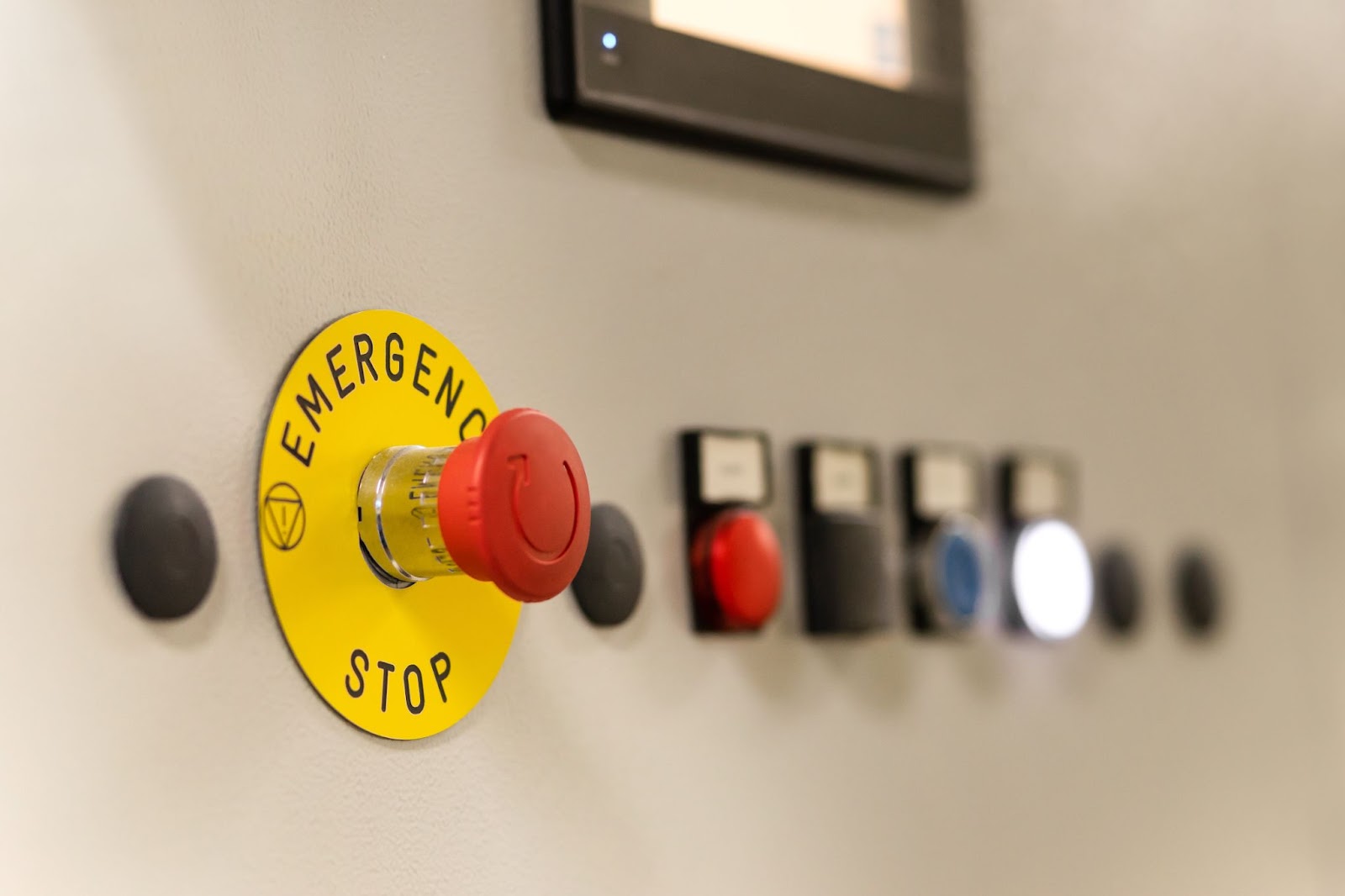
Problems in these settings often come from worn contacts or dirt and moisture getting inside the switch. For example, when emergency stop systems fail, this is not a small problem. It is a serious safety risk. It can stop production and put workers in danger. To reduce downtime and keep equipment running, it is important to choose industrial-grade switches made for heavy use. If you use strong designs and check these switches often, operations stay stable and sudden power loss is less likely.
Common Problems of Push Button Switches
Pushbutton switches may face four major issues: jamming, intermittent response, arcing, and physical damage. Understanding these problems will help in troubleshooting and maintaining the switches.
Sticking or Jamming Buttons
Jammed or sticky buttons are a common issue. The cause is typically the accumulation of dirt, dust, or corrosion inside the switch mechanism, which restricts the button’s smooth movement.
Solution: The first step is cleaning. Disassemble the switch carefully and use a contact cleaner or isopropyl alcohol to remove any dirt or debris. After cleaning, apply a small amount of dielectric grease to the moving parts to ensure smooth operation. Regular cleaning can prevent this issue from recurring.
Intermittent or No Response
An intermittent or complete lack of response from the pushbutton switch can be caused by several factors, including worn-out contacts, damaged wiring, or faulty internal components. These problems can disrupt the electrical connection, making the switch unreliable.
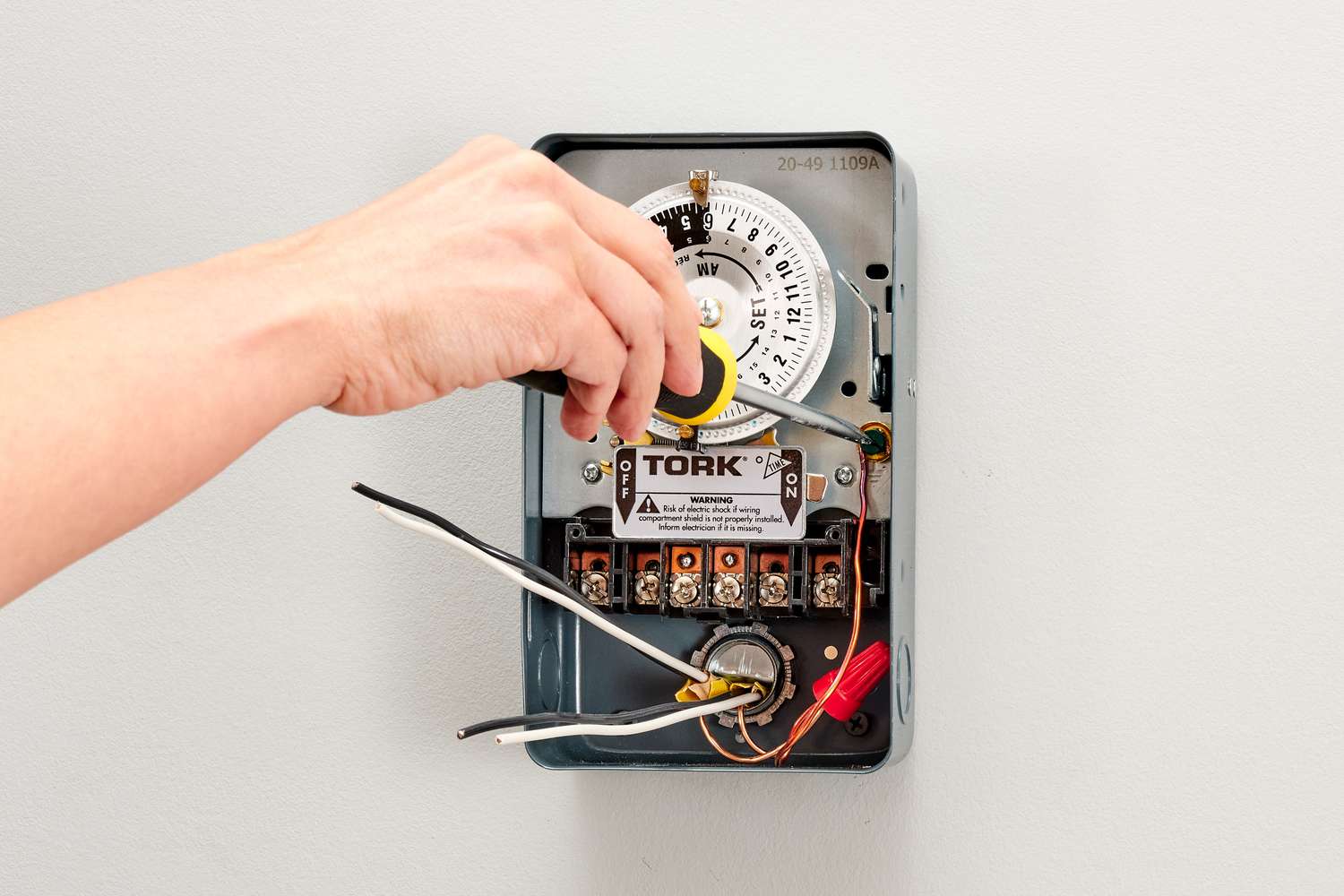
Solution: Tighten any loose terminals or screws and check the contacts for wear, corrosion, or damage. If necessary, clean or replace the contacts. If the internal mechanism is the issue, replacing the entire switch might be required.
Electrical Arcing or Sparking
Electrical arcing occurs when high voltage or current surges cause sparks to form between the contacts. This can lead to internal damage and pose a safety risk.
Solution: To prevent arcing, install surge protectors or voltage regulators in the circuit. Ensure that the switch is rated for the correct voltage and current to prevent overloads.
Physical Damage
Accidental drops or impacts can cause physical damage to the pushbutton switch, such as cracks or broken internal components.
Solution: Inspect the switch for visible damage. Minor cracks in the housing can often be repaired using epoxy, but if the damage is severe, replacing the switch is the safest option.
| Problem | Root Cause | Repairable | Replacement Needed |
| Sticking or Jamming | Accumulation of dust, oil, or debris within the mechanical housing. | Yes. Clean with contact cleaner or compressed air. | No, unless the internal spring or plunger is physically deformed. |
| Intermittent Response | Oxidation on contact points or loose wiring terminals in control panels. | Yes. Tighten terminal screws or use abrasive cleaning on contacts. | Optional. If the contact plating is fully worn, replacement is safer. |
| Electrical Arcing | Switching loads exceed rated capacity or high voltage surges in the circuit. | No. Arcing causes permanent pitting and carbon buildup on contacts. | Yes. Mandatory for emergency stop systems to ensure safety. |
| Physical Damage | Excessive mechanical impact or material fatigue in harsh industrial environments. | No. Cracked housings compromise insulation and IP-rated protection. | Yes. Essential to prevent short circuits and system-wide failure. |
Prevention and Maintenance Tips for Push Button Switches
By following simple maintenance practices, you can prolong the life of your pushbutton switches and minimize the risk of failure.
1. Regular Cleaning
Regularly clean the exterior and internal components of the switch. This helps prevent dust and grime buildup that could affect the switch’s functionality.
2. Proper Installation
Ensure that switches are installed correctly; you can follow our step-by-step tutorial on how to connect a push button switch to avoid electrical issues.Incorrect installation can lead to electrical issues or malfunctioning.
3. Environmental Protection
Protect your switches from environmental factors such as moisture, dust, and extreme temperatures. This will reduce wear and tear and prevent corrosion.
Your Reliable Source for Pushbutton Switches – Inquire About Bulk Orders Today!
Pushbutton Switches You Can Rely On
Pushbutton switches are generally robust and dependable components, but they can still be affected by factors like wear, environmental influences, or electrical issues. Regular maintenance and timely repairs can help ensure that your pushbutton switch continues to function reliably.
For a deeper dive into push button mechanics, you can check out our related article on What Is a Pushbutton Switch and Its Importance.

FAQs about Pushbutton Switches
Q1. How long do industrial push button switches last?
A1: High-quality industrial push button switches typically offer 1 million to 10 million mechanical cycles. Their actual lifespan depends on the load intensity and environment.
Q2. Why does an emergency stop button fail?
A2: Failures in emergency stop systems often result from contact welding, mechanical fatigue, or internal debris blocking the latching mechanism during a crisis.
Q3. What causes contact burning in push buttons?
A3: Contact burning is caused by persistent electrical arcing, using switches below the required voltage rating, or excessive vibration within control panels.
Q4. How to test a push button switch with a multimeter?
A4: Use the continuity setting: a functional NO switch shows “OL” when open and “0” when pressed. This confirms the circuit is completing correctly.
Q5. What IP rating is suitable for outdoor push buttons?
A5: An IP65 rating is the minimum for rain protection. For heavy wash-downs or extreme weather, IP66 or IP67 ensures better long-term durability.
Q6. Difference between momentary and maintained push buttons?
A6: Momentary switches reset immediately after release, while maintained switches lock in place until pressed again, similar to a standard light toggle.
Q7. When should a push button switch be replaced?
A7: Replace switches if you see housing cracks, feel physical sticking, or experience intermittent response that risks stalling your motor starters.
Q8. What certifications should industrial push buttons meet?
A8: Look for UL, CE, and CCC marks. These certifications guarantee the switch meets global safety standards for heavy-duty distribution cabinets.
Conclusion
Pushbutton switches are essential components in electrical systems, but like any device, they can experience problems over time. By understanding common issues such as jamming, intermittent response, arcing, and physical damage, you can take the necessary steps to troubleshoot and repair them. Regular maintenance and proper installation can help avoid many of these issues.
Always remember, safety is key. If you are unsure about how to handle repairs or maintenance, consult a professional electrician. For high-quality, durable pushbutton switches, feel free to contact us for more information or explore our product range.
Tel: +86-577-88671000
E-mail: ceo@tosun.com
Skype: tosunelectric
Wechat: +86-139 6881 9286
WhatsApp: +86-139 0587 7291
Address: Room No.1001 Wenzhou Fortune Center,Station Road, Wenzhou, China
REQUEST A QUOTE
WhatsApp us